
Reviewed · SHOWS & PERFORMANCES
Beijing: Imperial Cuisine Experience & Cultural Performance
The most unusual part of this Beijing evening is the food museum itself. At Yuxiandu Imperial Cuisine Museum, dinner is presented as a journey through five thousand years of imperial cooking, with palace-style rooms, historic utensils, old documents, and dishes linked to China’s emperors.
I like the way the meal combines museum displays and live entertainment, so you are not simply sitting down for a banquet. I also like the menu’s variety, from braised sea cucumber and roast duck to longevity noodles and sweet yogurt with honey. The main drawback is the price: at $137 per person, this is a special-occasion outing, and you may find cheaper ways to see a cultural performance or eat Peking duck in Beijing.
Key points to know before booking
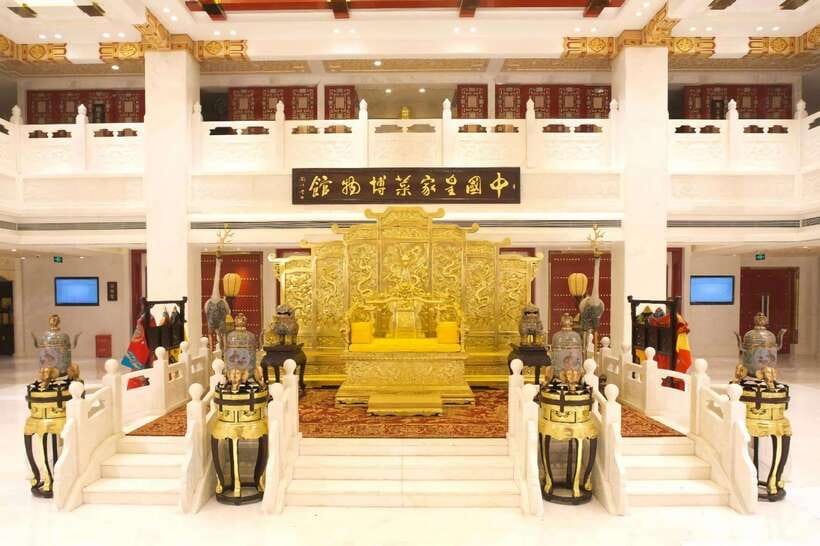
- Imperial cuisine in a museum setting: See more than 1,000 historical objects connected with palace dining and Chinese food culture.
- A full multi-course feast: The menu includes roast duck, braised sea cucumber with fish maw, roasted lamb, longevity noodles, snacks, desserts, and more.
- Lunch and dinner have fixed arrival times: Lunch ticket checking is at 11:38 AM, with the performance at 12:10 PM. Dinner checking is at 6:28 PM, followed by the show at 6:50 PM.
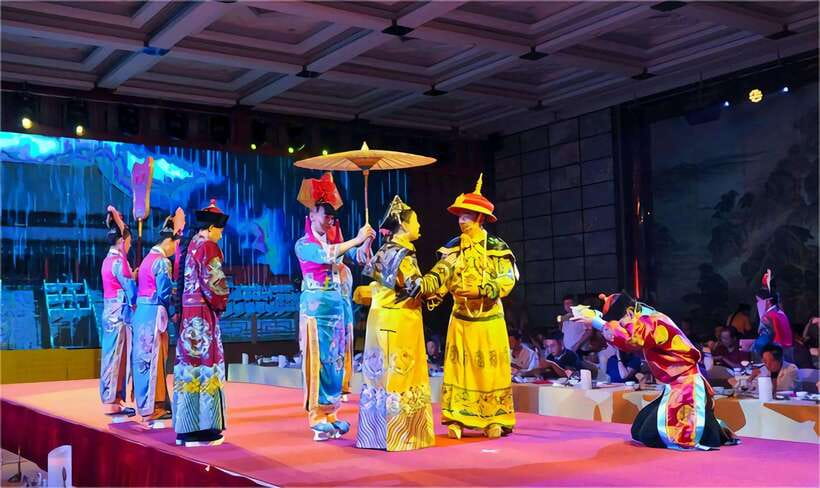
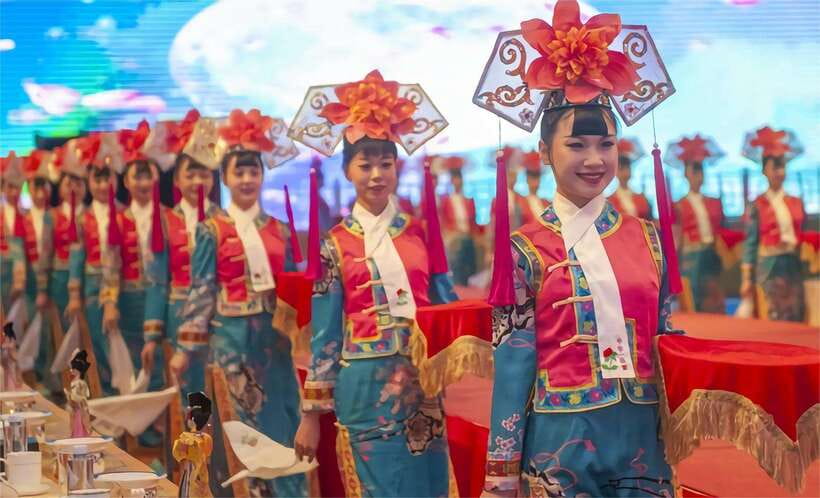
- The performance is a major part of the value: Music, dance, colors, and traditional costumes add the visual drama that makes this more than a restaurant meal.
- Costumes and makeup cost extra: Traditional clothing and makeup transformation are not included.
- Flexible booking terms: You can cancel up to 24 hours in advance for a full refund, and reserve now while paying later.
What happens at the Yuxiandu Imperial Cuisine Museum
This experience takes place in Beijing’s Haidian District, near Sijiqing Bridge. The venue serves two roles: museum and restaurant. That matters because the evening is not built around food alone. You first get a sense of the objects and traditions behind imperial dining, then sit down to a meal designed to recall the banquet culture of China’s royal courts.
The museum traces Chinese imperial cuisine from ancient periods through the Qing Dynasty. Its collection includes more than 1,000 historical artifacts, such as dining utensils and documents. You might find the displays especially useful if you want context for dishes that can otherwise seem like a parade of unfamiliar names.
Food in the imperial court was never only about hunger. Ingredients, presentation, rank, ceremony, and seasonal customs all carried meaning. The museum’s displays help place the dinner in that wider setting. You see how a meal could express power and status, not simply satisfy an appetite.
The experience lasts about three to four hours. That is long enough for the museum material, meal, and performance to feel like a full evening rather than a quick dinner with a short stage act.
More Shows in Beijing
- Red Theatre Beijing Acrobatic Show Tickets
★ 4.9 · 461 reviews - Red Theatre Beijing Acrobatic Show Tickets Official Booking
★ 5.0 · 218 reviews - Red Theatre Beijing Acrobatics Show Ticket
★ 5.0 · 141 reviews
The palace-style dining room
The restaurant is designed to resemble an ancient palace. You are meant to feel that you have stepped into a courtly dining setting, not a standard Beijing dining room. The décor is part of the show, so take a moment to look around before the food arrives.
This is a good choice if you enjoy atmosphere and presentation. A simple restaurant meal can teach you about one dish. Here, the room, objects, costumes, food, music, and dance work together to create a broader picture of imperial life.
Still, keep your expectations sensible. The meal recreates the idea and style of royal dining, but the ticket does not include traditional costume rental or a makeup transformation. If you want to dress up as part of the occasion, you will need to arrange and pay for those extras separately.
The venue is recognized as a national AAA-level tourist attraction. In practical terms, that signals an established attraction with formal facilities and service standards. It does not mean every dish will suit every palate, so approach the menu as a chance to sample a wide range of Chinese culinary traditions.
Reading the menu from first bite to final sweet
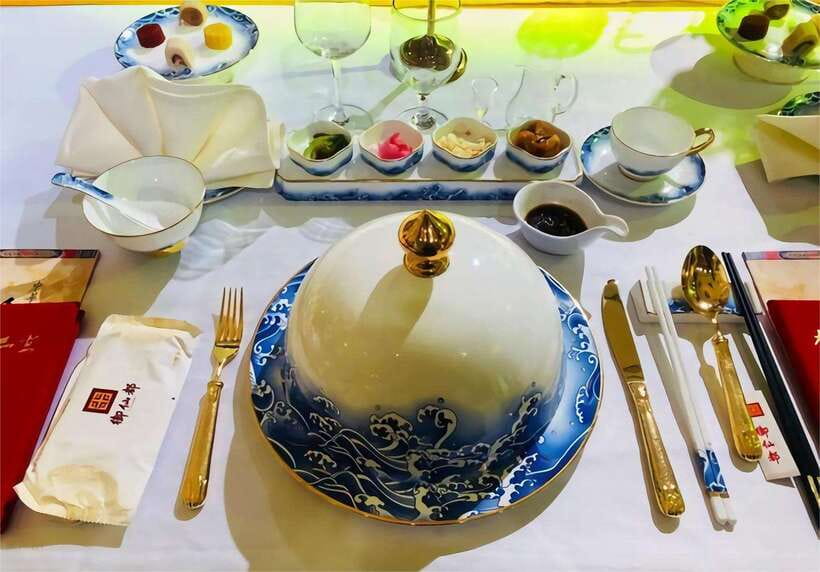
The menu is broad, and the number of dishes is one reason this outing feels like a banquet rather than a tasting plate. It begins with snacks, an appetizer, and an appetizer platter. These opening courses give you several flavors and textures before the larger dishes arrive.
The meal then moves into more ceremonial fare. Braised sea cucumber with fish maw in a casserole is one of the most distinctly imperial-sounding dishes on the menu. These ingredients have long been associated with formal Chinese banquets, and the casserole format suits a slow, substantial course.
Marinated tofu with bamboo shoots provides a simpler contrast. It is useful to have a lighter vegetable-based dish among the richer food, particularly during a long meal. The combination also gives you a chance to notice how Chinese cooking balances texture, not just flavor.
Roast duck prepared with jujube wood is likely to be one of the most familiar dishes for many people visiting Beijing. It connects the banquet to one of northern China’s best-known specialties while adding the fragrance associated with jujube wood roasting.
Chinese cabbage in soup offers another change of pace. Soup is an important part of a formal meal, and this course helps keep the menu from becoming too heavy. You also get roasted lamb, which adds a more robust dish to the procession.
The meal ends with longevity noodles served with poached eggs. Longevity noodles are linked with good wishes and long life, making them an appropriate final savory course for a banquet built around ceremony.
Dessert and snack items include deep-fried dough sticks, known as youtiao, served with milk, plus yogurt filled with honey. These are less formal in feel than the seafood or roast meats, but they give the menu a pleasant range of sweet, milky, crisp, and soft textures.
Because the menu is fixed in the information provided, you should not book this outing expecting to choose freely from a standard restaurant menu. If you have dietary restrictions, the available details do not confirm substitutions. You may want to ask before booking rather than assume the kitchen can alter the feast.
Why the performance matters
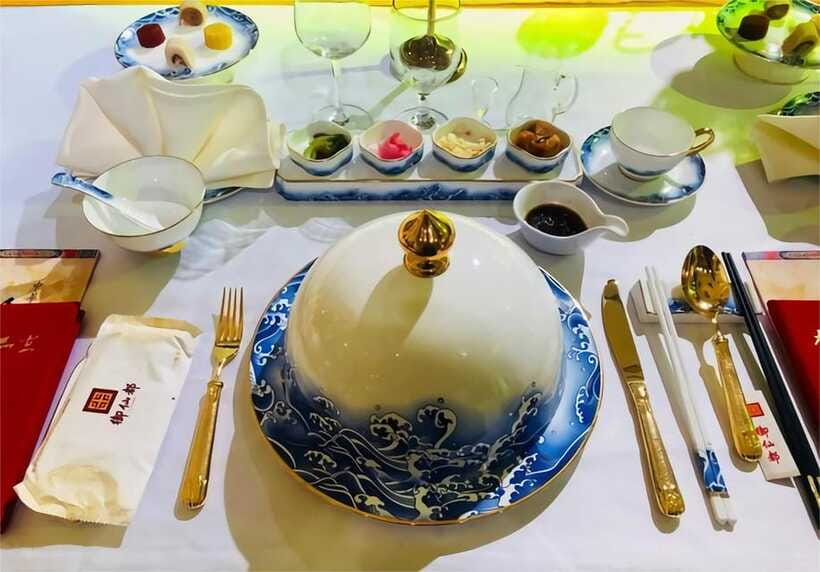
The performance is included with the meal, and it is not just background decoration. Traditional costumes, music, dance, and bright colors help explain the ceremonial side of court culture in a way that display cases cannot.
The strongest praise focuses on the historical performance. That makes sense: a staged presentation gives the evening movement and emotion. You see elements of Chinese tradition rather than only reading about them, and the costumes add a clear visual link to the imperial setting.
The performance begins at a set time after ticket checking. For lunch, ticket checking is at 11:38 AM and the show starts at 12:10 PM. For dinner, ticket checking is at 6:28 PM and the performance begins at 6:50 PM.
Those times are unusually specific, so do not treat them as a loose suggestion. Arrive a few minutes early. You need time for any queue, ticket check, and seating before the meal and show begin. The actual ticket is sent by email, and the QR code created through the booking platform is not the admission ticket.
The timing also affects the rest of your Beijing plans. A three to four-hour lunch can take up much of the middle of your day. The dinner option works better if you want a contained evening activity, but you should avoid scheduling another fixed event too close afterward.
Same base, a completely different kind of day out:
- From Beijing: Mutianyu Great Wall Tours with Options
★ 4.9 · 9,216 reviews - Beijing: Forbidden City Tour(Group/Private)-Tickets Included
★ 4.8 · 7,974 reviews - Beijing: T-Square & Forbidden City Group or Private Tour
★ 4.8 · 4,446 reviews - Beijing: Mutianyu Great Wall Daily Tour with Ticket & Lunch
★ 5.0 · 3,056 reviews
Is the $137 price fair?
At $137 per person, this is expensive for a meal in Beijing. You are paying for more than the food, though. The ticket includes the meal, museum setting, and cultural performance, so the fair comparison is not a regular restaurant dinner.
I see the value most clearly for someone who wants a packaged cultural evening. You do not have to arrange a separate museum visit, banquet, and stage show. The experience brings them together in one venue and gives the food a clear historical frame.
The value is weaker if your main goal is simply to eat excellent roast duck. Beijing has many places where you can focus on that one dish for far less money. Likewise, if you have already seen several Chinese music and dance shows, the performance may not justify the added cost.
The price also reflects the theatrical setting. You are paying for the room, service, scale of the menu, and presentation. I would book it as a one-time cultural treat, not as a budget meal or a routine dinner.
One past booking experience specifically raised the concern that tickets bought through a platform may cost more than buying direct. That is worth checking before you commit. Compare the final price with the museum or provider if direct booking is available, while making sure you are comparing the same meal, date, seating, and inclusions.
Lunch or dinner?
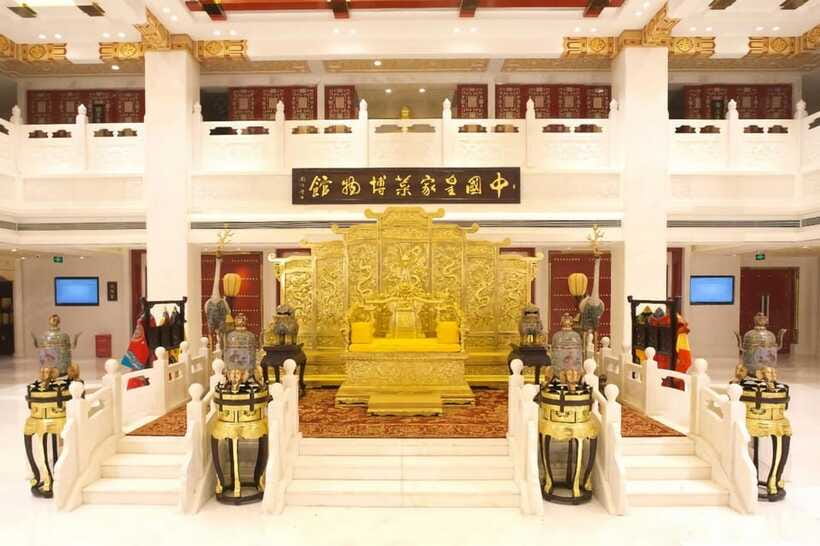
Both time slots offer the same basic format, but they suit different schedules.
Lunch ticket checking takes place at 11:38 AM, with the performance at 12:10 PM. This option can work well if you want your evening free for another Beijing activity. The trade-off is that the experience occupies a large part of the day and may interrupt sightseeing plans in central Beijing.
Dinner ticket checking begins at 6:28 PM, and the show starts at 6:50 PM. Dinner gives the event a more natural banquet feel. The palace-style room, formal dishes, and stage presentation are likely to feel more dramatic after dark, even though the supplied details do not specify the lighting or exact evening program.
Choose based on your wider itinerary rather than assuming one time is better. If you have an early morning start the next day, lunch may be easier. If you want a memorable final activity after sightseeing, dinner may fit better.
In either case, arrive before ticket checking. This is especially important because the show follows a fixed schedule, and late arrival could mean joining after the meal or performance has begun.
Who will enjoy this experience most?
I would recommend this outing to you if you like food with a story. The museum objects and historical explanations give the dishes a setting, while the performance adds a human and visual side to Chinese court culture.
It is also a good match for first-time visitors who want one organized introduction to several Chinese traditions at once. You taste multiple dishes, see formal dining objects, and watch music and dance without arranging several separate activities.
Families with older children may find the costumes and performance engaging, though children under two are not suitable for the activity. Since the event lasts three to four hours, very young children may also struggle with the length even when they meet the age requirement.
The experience may not suit you if you want a quiet meal, a highly flexible menu, or a small local restaurant. The fixed timing and formal structure are part of the appeal, but they can feel restrictive if you prefer to wander and decide what to eat as you go.
Wheelchair access is available. The details do not specify the exact route, seating arrangements, or restroom setup, so you should confirm any particular accessibility needs before booking.
Small details that can make the evening smoother
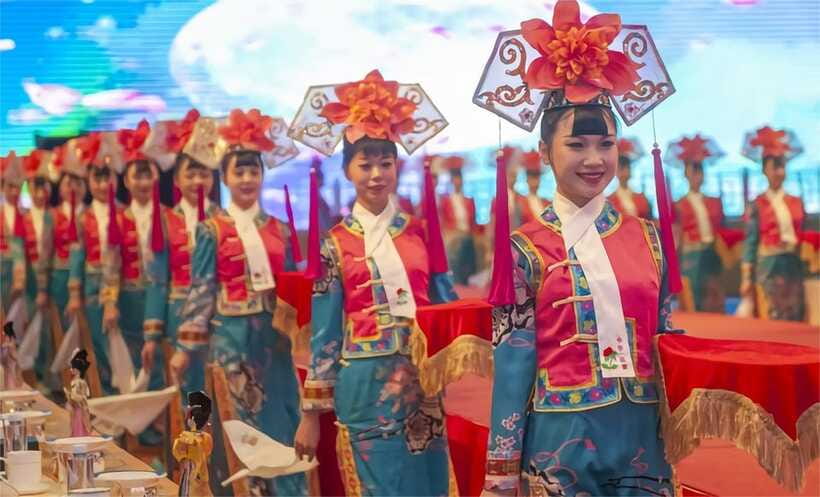
Save the real ticket email before leaving your hotel. The booking-platform QR code is specifically not the admission ticket, so relying on that code alone could cause confusion at the door.
Arrive a few minutes before the stated checking time. For lunch, aim to be ready before 11:38 AM. For dinner, be there before 6:28 PM. This simple step gives you room for ticket checks and seating.
Do not count on costume rental or makeup being part of the package. They are excluded. If dressing in traditional clothing is important to you, treat it as an optional add-on and confirm how it is arranged.
Plan your appetite. The menu includes many courses, from appetizers and soup to seafood, duck, lamb, noodles, youtiao, and yogurt. A large snack just before arrival could make it harder to enjoy the full meal.
Finally, give yourself enough time afterward. The stated duration is three to four hours, and the fixed performance time means this is not a quick stop you can squeeze between two tightly scheduled sights.
My recommendation
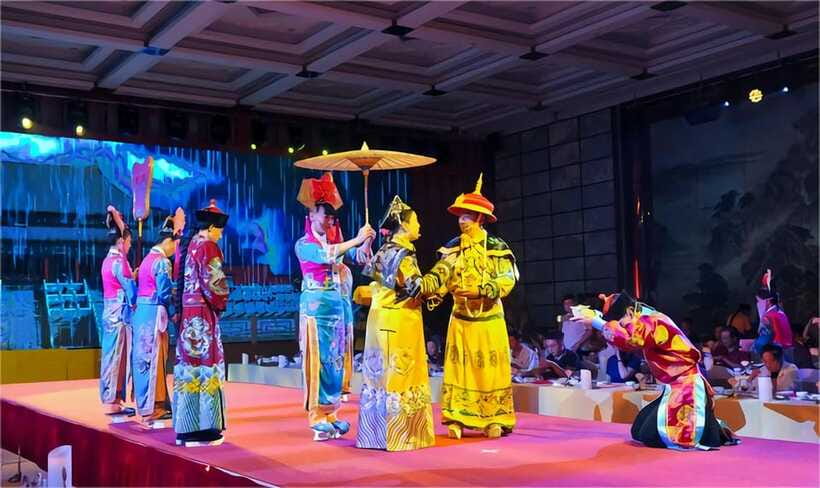
I would book the Yuxiandu Imperial Cuisine Museum if you want an all-in-one cultural evening and are comfortable paying a premium for atmosphere, a large meal, and a traditional performance. The historical dining objects, palace-style room, broad menu, and colorful stage presentation give you more than a standard Beijing dinner.
I would skip it if your priority is low cost, independent dining, or a focused food tour. At $137, the value depends on using all parts of the experience: museum, banquet, and performance. Check the direct price before paying through a platform, and choose lunch or dinner according to your Beijing schedule.
For many visitors, the performance will be the most memorable part, while the food gives the show a stronger sense of place. Book it as a special cultural night, not simply as a meal.
FAQ
Where is the Imperial Cuisine Experience held?
It is held at the Yuxiandu Imperial Cuisine Museum in Beijing’s Haidian District, near Sijiqing Bridge.
How long does the experience last?
The activity lasts about three to four hours.
What is included in the price?
The price includes the meal and the cultural performance.
Are traditional costumes included?
No. Traditional costume rental is not included.
Is makeup transformation included?
No. Makeup transformation is not included.
What time does lunch ticket checking begin?
Lunch ticket checking takes place at 11:38 AM, and the performance begins at 12:10 PM.
What time does dinner ticket checking begin?
Dinner ticket checking takes place at 6:28 PM, and the performance begins at 6:50 PM.
Is the experience wheelchair accessible?
Yes, the activity is wheelchair accessible.
Can I cancel for a refund?
Yes. You can cancel up to 24 hours in advance for a full refund. You can also reserve now and pay later.
Newly listed around Beijing
- Beijing: Summer Palace Ticket; fast and smooth★ 3.6 · 38 reviews
- Beijing: Summer Palace Entry Ticket★ 3.3 · 3 reviews
- Beijing: Summer Palace Highlight Walking Tour★ 4.8 · 25 reviews
- Beijing: Summer Palace, Sacred Road&Ming Tombs Private Tour★ 5.0 · 8 reviews
- Beijing: Summer Palace 3 Hours Guided Tour with Entry Ticket★ 4.8 · 4 reviews
- Beijing Private Tour: Summer Palace, Panda House and Options★ 5.0 · 21 reviews
- Beijing: Summer Palace Entrance(combo/tour opt)★ 4.7 · 6 reviews
- Beijing Royal Banquet with Chinese culture prefermance★ 5.0 · 3 reviews
Shows & Performances, compared.
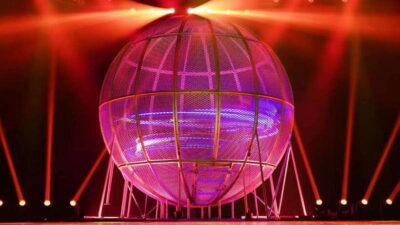
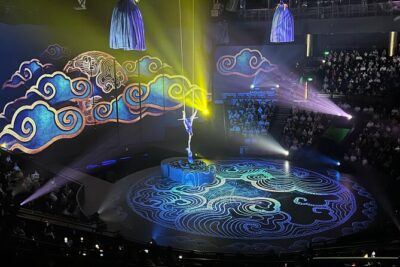
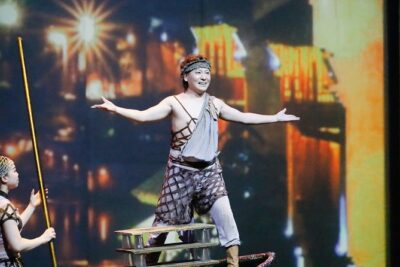
Shanghai Circus World: ERA2 Intersection of Time Acrobatics Show
Read our review →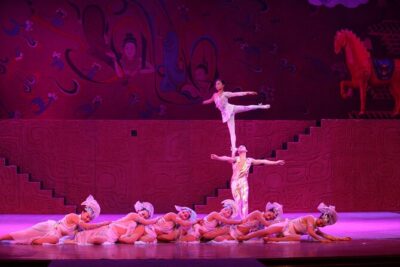
Red Theatre Beijing Acrobatic Show Tickets Official Booking
Read our review →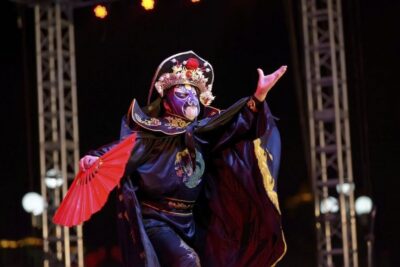
Sichuan Opera Shu Feng Yan Yun Evening Show Ticket
Read our review →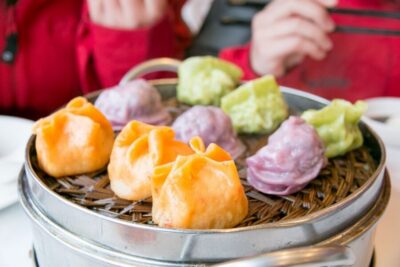
Great Tang Dynasty Night Show & Dumpling Meal Option
Read our review →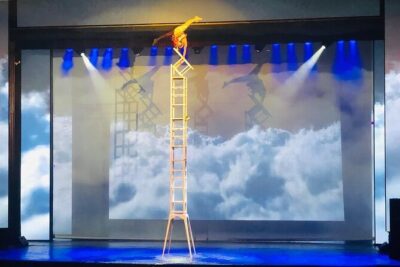
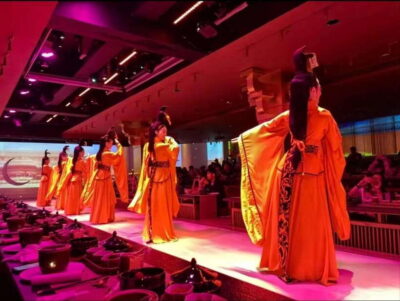
Royal Banquet with Chinese Cultural Performance
Read our review →Browse the lists this tour appears in