

Reviewed · HUTONG TOURS
Beijing: Hutongs & Drum Tower City Walking Tour
Beijing’s hutongs give you something the city’s grand monuments cannot: a close look at ordinary life in the old capital. This tour links quiet lanes, lakeside paths, a Taoist temple, Yandai Byway, local snack shops, and the 600-year-old Drum Tower. I especially like the chance to see a traditional courtyard home and the option of riding through the lanes by rickshaw.
I also like the food focus. Guides such as Jenny, Tony, and Susan have helped visitors choose unfamiliar dishes, from local noodles and baozi to drinks and sweet snacks. The main drawback is that the tour is only three to four hours, so the route can feel full, and entrance fees, public transport, and some optional features cost extra.
Key points to know before booking
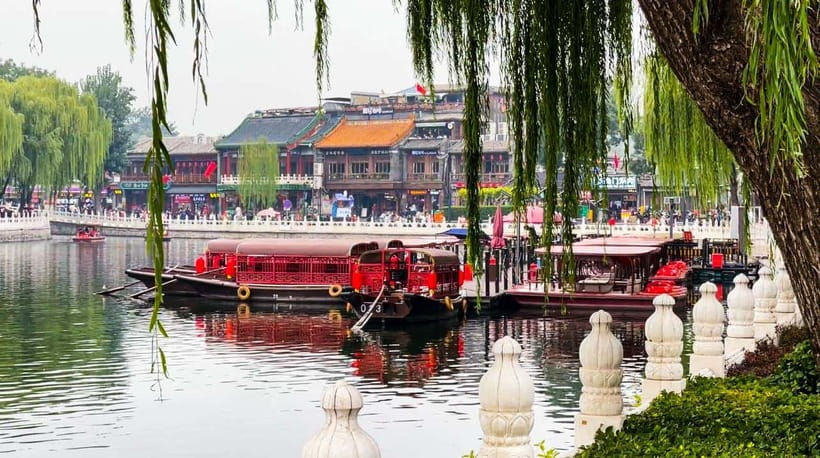
- Hutongs beside the lakes: Walk through old lanes around Qianhai and Houhai, where traditional homes meet popular waterfront paths.
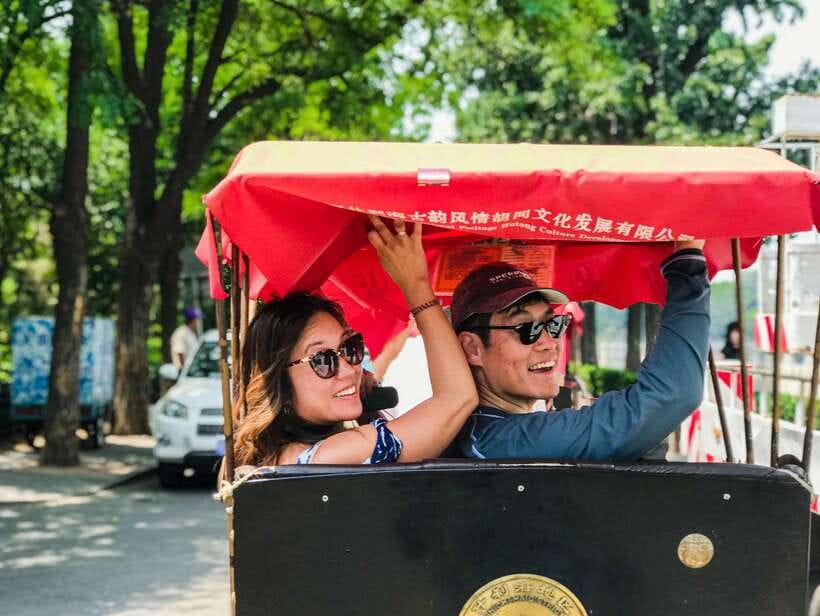
- Optional rickshaw ride: Two people share a roughly 30-minute ride, priced at 200 CNY for two participants.
- Drum Tower visit: Climb the historic tower and, when timing allows, watch the drum performance from inside.
- Food guidance included in the experience: Use your guide to try snacks, noodles, baozi, drinks, or other local dishes.
- Courtyard-home visit: The optional home visit lets you see rooms such as a kitchen, bedroom, and living area.
- Flexible tour format: Private and small-group options are available, with walking, rickshaw, and some bicycle variations depending on the booking.
Why Beijing’s hutongs are worth your morning
Beijing is full of grand sights, but its hutongs explain how the city worked at street level. These narrow lanes run between traditional courtyard homes, small shops, snack counters, and everyday residences. They are not museum corridors. People still live, work, shop, and socialize here.
The tour focuses on hutongs beside Qianhai and Houhai lakes, a pleasant setting that gives the walk more variety than a simple neighborhood stroll. You move between water, old lanes, commercial streets, religious sites, and historic towers.
I like this combination because it lets you compare different sides of Beijing in one outing. The lakeside paths feel open and relaxed. The hutongs become tighter and more personal. Yandai Byway brings a busier shopping atmosphere, while the Drum Tower provides the big historical finish.
The lanes are described as dating from roughly 300 to 700 years ago, although their condition and atmosphere vary. Some sections are polished for visitors, while others offer a more ordinary look at local life. That contrast is part of the point. Beijing’s old neighborhoods are not frozen in time.
More City Tours in Beijing
- Beijing City Walk: Explore Hutongs Life and Old Beijing
★ 5.0 · 146 reviews - Private Mutianyu Great Wall Day Tour From Beijing City/Airport
★ 5.0 · 146 reviews - 2-Day Private Classic Beijing City Sightseeing Tour Package
★ 5.0 · 102 reviews
Starting at Shichahai and the old waterway
The usual meeting point is Exit A2 of Shichahai subway station on Line 8, though the exact meeting place can change with the option you select. Bring your passport, and keep your booking information handy.
The route begins near the old water system connected with the Jing-Hang Canal. You visit a Taoist temple beside the canal and Wanning Bridge, a crossing dating to the Mongolian dynasty. This opening stop adds useful context before the walking begins in earnest.
The temple visit is not only about architecture. Your guide can explain Taoist beliefs, local gods, and the place religion still has in modern Chinese life. One especially useful part of this stop is the chance to discuss what younger Chinese people believe today, rather than treating religion as something found only in old buildings.
Your guide’s English matters here. Guides named Alice, Amber, Jenny, Lisa, Susan, Tony, and others have been praised for explaining history in clear, friendly language. If you want more detail about religion, urban life, or current customs, ask early. A private or small-group format gives you more room for questions than a large city tour.
Qianhai and Houhai: water, walking, and optional wheels
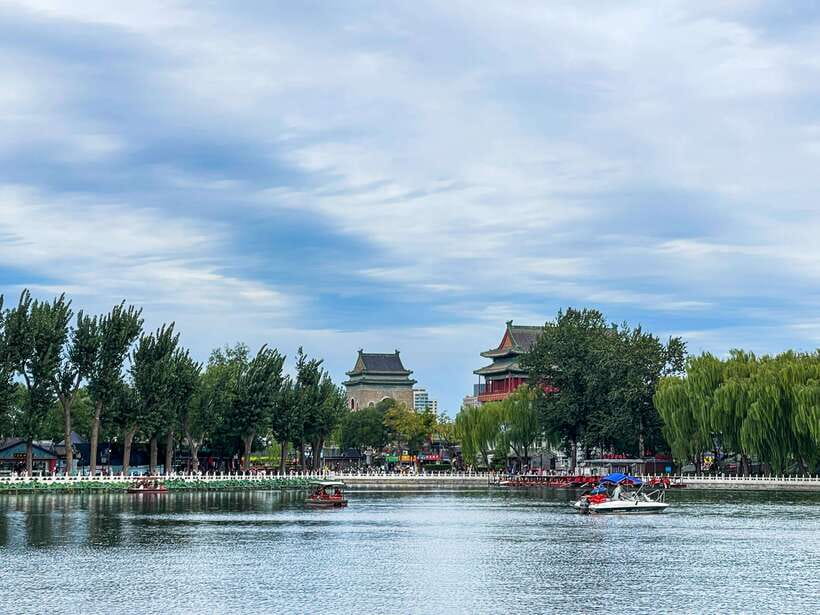
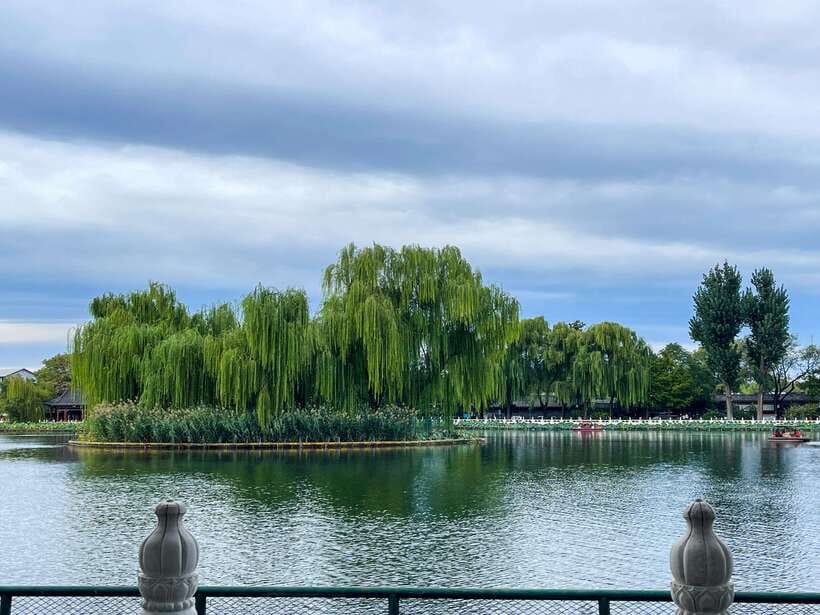
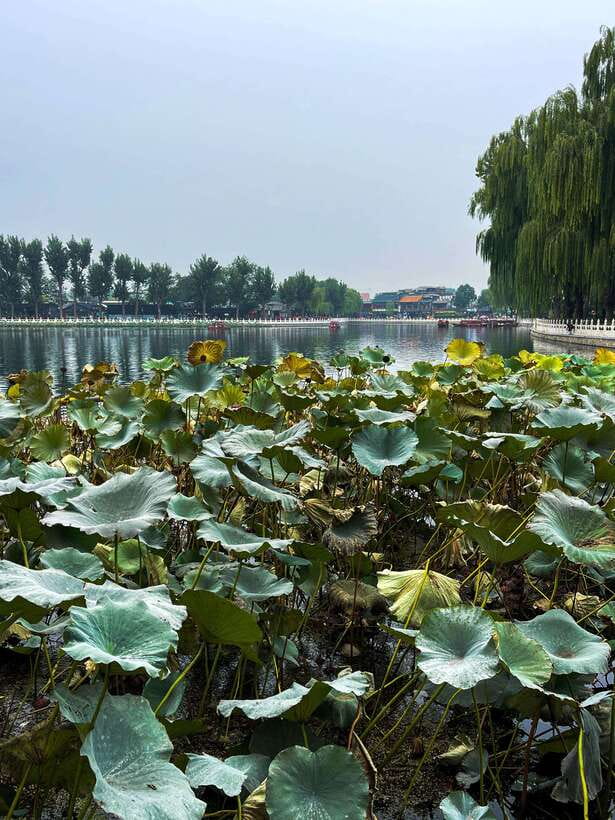
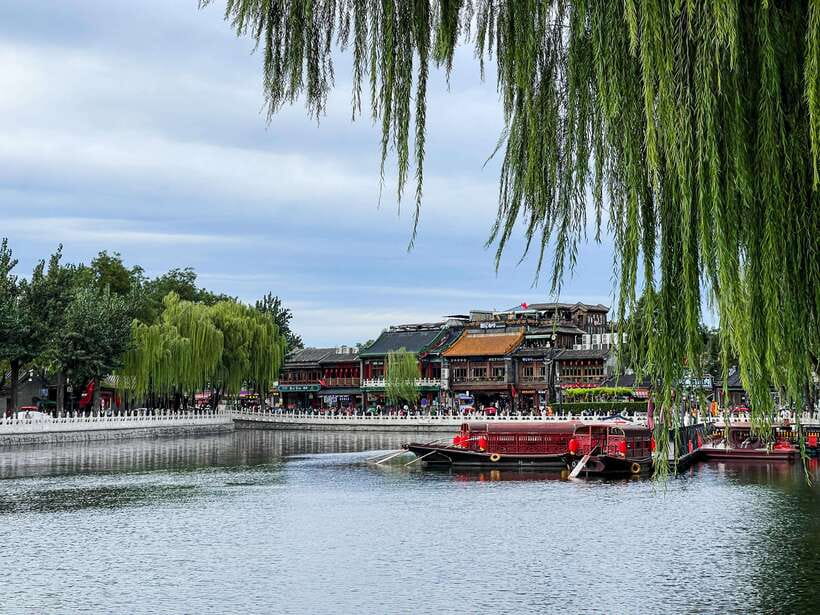
From the temple, the route follows the water around Qianhai and Houhai. These lakes give you a break from the narrow lanes and help you understand why this part of Beijing has long been important for leisure, transport, and settlement.
The walking is generally easy to follow, but remember that this is still a city tour. You will use public paths and streets, and the area can feel much busier at popular times. The tour is wheelchair accessible, though you should confirm the exact route and selected option when booking, especially if you want to include the rickshaw or a particular home visit.
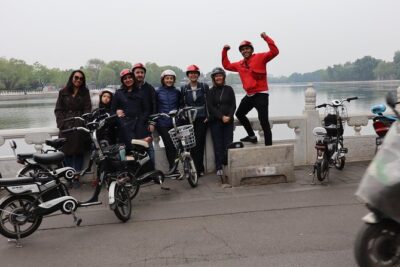
Some versions of the experience include a bicycle route. One itinerary variation began with bicycles around the two lakes, with stops for Beijing drinks and snacks. Do not assume that bicycles are part of every reservation. Check the option details before paying.
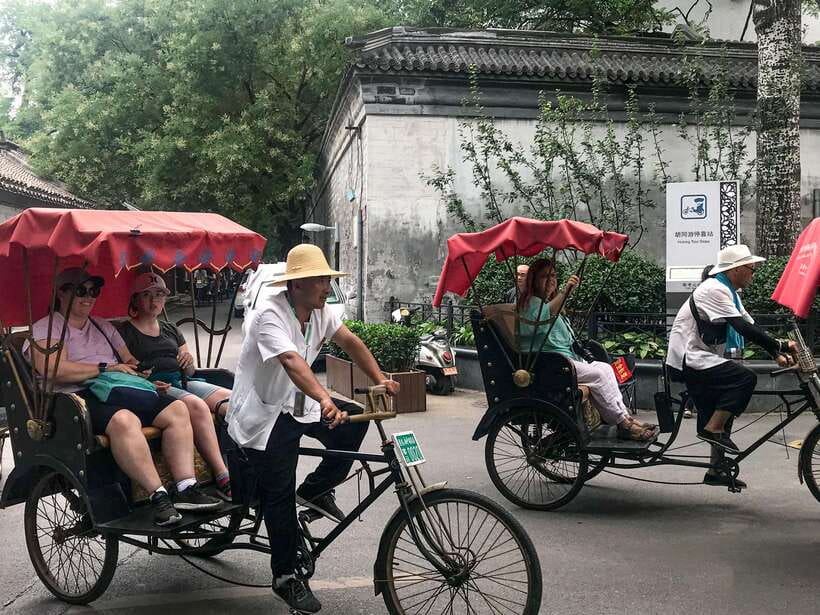
The rickshaw is another optional feature. It is a hooded tricycle, once used as a taxi by wealthy residents and officials. Two people share one rickshaw for about 30 minutes, with a stated price of 200 CNY for two participants. That price is separate from the basic tour cost unless your selected option says otherwise.
I see the rickshaw as a pleasant extra, not a replacement for walking. From the seat, you get a comfortable look at the lanes and water. On foot, you can stop, ask questions, study doorways, and notice the smaller details. If you want the strongest sense of the neighborhood, keep some walking time in the plan.
Yandai Byway and its snack stops
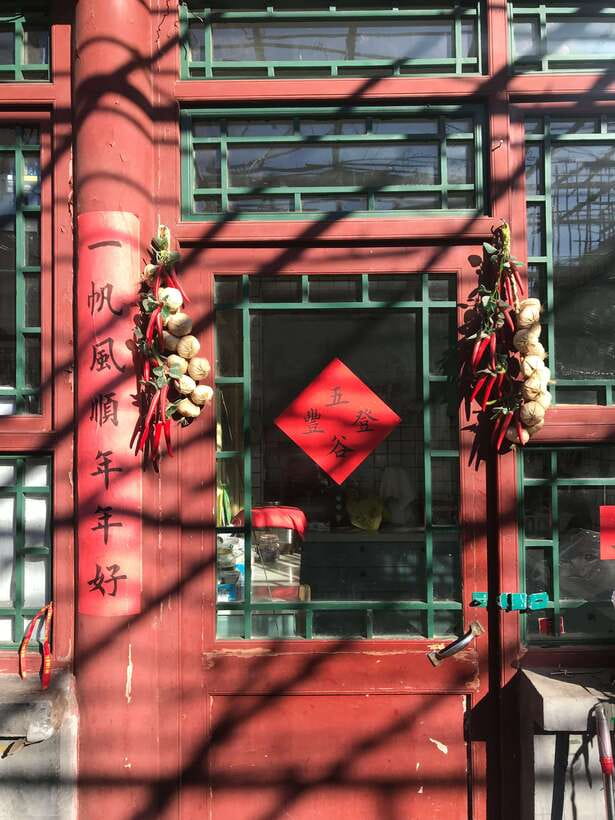
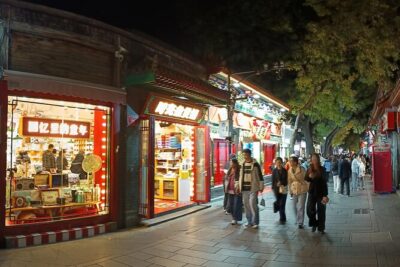
Yandai Byway is an ancient commercial street and one of the livelier parts of the route. Here, old lanes meet shops selling food, drinks, souvenirs, and small goods. It is a useful place to pause because you can see how historic streets are adapted for modern commerce.
The street is not an untouched relic. It has a visitor-friendly side, and some shops are aimed at people passing through. Still, it provides a good introduction to Beijing snacks, especially if you have a guide who is willing to explain what you are seeing.
Bring Chinese cash if you plan to buy food from local stores. Public transport and entrance tickets are not included, so keep those costs separate as well. Food spending depends entirely on what you choose.
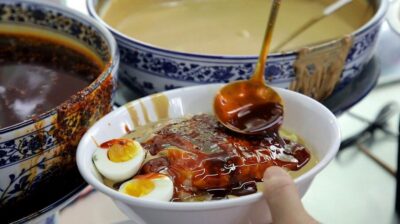
The food guidance is one of the strongest reasons to take this tour early in your Beijing stay. You can ask your guide which items are mild, which contain meat, and which suit your diet. Jenny helped one couple find suitable alternatives because they were particular about food. Other routes included Beijing drinks, pork liver, local noodles, baozi, durian pie, and other small snacks.
That does not mean every booking includes the same meal or dishes. Your guide may point you toward snacks, or the group may stop for a fuller local meal after the Drum Tower. Think of this as guided food sampling rather than a fixed tasting menu.
More Walking Tours in Beijing
- Beijing Hutong Walking Food and Beer Tour at Hidden Restaurants
★ 5.0 · 1,132 reviews - Private Beijing Walking Tour of the Forbidden City with 7 Options
★ 5.0 · 675 reviews - Forbidden City Private Walking Tour with Optional Sights
★ 5.0 · 400 reviews - Beijing Private Hutong Food Walking Tour
★ 5.0 · 299 reviews
Seeing a traditional courtyard home
The optional home visit adds a personal layer that you cannot get from looking at hutong walls. You may be welcomed into a local family’s traditional courtyard house and see the layout of rooms such as the kitchen, living room, and bedroom.
This is valuable because the word hutong often makes people think only of architecture. The home visit shows how the space functions. You can ask about daily routines, family life, and how older houses have changed.
The visit is also a reminder to be respectful. You are entering someone’s home, not a formal attraction. Follow your guide’s lead, ask before taking photographs, and keep the conversation polite and brief.
The option is not included in every booking. The stated inclusions specify the rickshaw ride and home visit only when that option is selected. Confirm this before you assume you will enter a courtyard home.
Walking from wealthy courtyards to ordinary lanes
One of the more useful themes is the contrast between homes built for wealthy families and simpler courtyard residences. Your guide can point out how the lanes, entrances, and house layouts reflect social differences from earlier periods.
Do not expect a long architectural lecture. The value comes from short explanations while you walk. A doorway, roofline, wall, or narrow passage can become a clue to the people who once lived there.
This is where a good guide changes the experience. Linda was praised for strong local knowledge and clear English. Lisa was careful about pacing and enjoyment. Tony combined stories about hutong history with practical help at small shops. Amber was repeatedly described as warm and helpful, including on short layovers.
The tour works particularly well for first-time visitors who want context without spending half a day inside a museum. You get history, but you also see kitchens, storefronts, bikes, snacks, and people going about normal routines.
Climbing the Drum Tower after the lanes
The route heads toward the square between the Drum Tower and Bell Tower. This is a useful place to pause and consider how Beijing’s timekeeping once worked. The towers were important civic landmarks, and the square connects the old imperial city with the neighborhoods around it.
The Drum Tower is about 600 years old, and you can climb inside if your admission is covered or purchased separately. Entrance tickets are not included in the advertised tour price, so check the cost and option details before you arrive.
Inside, the main reward is the view over the surrounding old city. You also may watch the drum ceremony, a performance that several guides time into the visit. The stairs are part of the experience, but the climb may not suit everyone. The tour is listed as wheelchair accessible, yet a historic tower with stairs can still require a route check.
Some guides may join you for an additional Bell Tower visit, but do not treat that as a standard inclusion. The listed focus is the Drum Tower. If both towers matter to you, ask when arranging the tour.
After the tower, you may stop for snacks or a local meal. One route included pork liver, noodles, and baozi. Another finished with a traditional Chinese meal in a local restaurant. These examples show the range of food stops, not a guaranteed menu.
How much value do you get for $69?
At $69 per person, the tour sits above a basic free walking route but offers more personal help. The price includes an English-speaking guide, while the rickshaw and home visit are included only if your chosen option says so.
The strongest value comes from the guide’s local judgment. Beijing’s hutongs are easy to walk through but harder to interpret. A guide can explain the difference between a commercial lane and a residential one, help you order food, translate a question at a shop, and show you details you might pass without noticing.
The price is less attractive if you want only a quick walk and photographs. You will also need to budget for entrance tickets, public transportation, food, souvenirs, and optional extras. Still, a private or small-group booking can be worthwhile for families, couples, or anyone with limited time.
A three to four hour duration is long enough to cover the main route without taking your entire day. It is also short enough to fit into a busy Beijing schedule. One booking was used during a 10-hour layover when the Forbidden City was closed, showing how useful the format can be for a short stop. You must still allow time to reach the meeting point and continue to the airport.
Guides, pacing, and the human factor
The clearest strength of this experience is the guide. Names that appear repeatedly in the supplied details include Amber, Alice, Jenny, Lisa, Tony, Susan, Linda, Johnny, and Kolar Lee.
The praise is consistent in a few areas: clear English, local history, kindness, food help, and willingness to adjust the pace. Alice helped a parent and child, offered snacks, and assisted them during the activity. Jenny gave extra Beijing suggestions after the walk. Tony helped with souvenir stops and explained food as well as history.
Guide assignments can change, so you should not book on the assumption that one particular person is guaranteed. Still, the strong pattern suggests that personal attention is central to how this tour operates.
Tell your guide what matters to you at the start. You might want more food, less shopping, a longer home visit, extra religious context, or a slower pace. A small group or private booking gives you the best chance of shaping the outing.
Who should book this hutong tour?
I would recommend it to first-time visitors who want more than the Forbidden City and the Great Wall. It is also a good fit for anyone interested in everyday life, local food, traditional homes, and the way old neighborhoods function.
Families may like the rickshaw and snack stops. Food-focused visitors will benefit from help with unfamiliar menus. Short-stay visitors can use the three to four hour format to see a distinctive part of Beijing without committing to a full-day excursion.
You may want another type of tour if you dislike walking, have no interest in food or residential neighborhoods, or want a strictly scheduled historical lecture. The route includes shopping streets and optional activities, and its exact shape can vary by booking.
Practical details before you go
Bring your passport, as requested for the activity. Carry Chinese cash for food and local stores, and wear shoes suitable for several hours of city walking.
The meeting point may vary by option, although Exit A2 of Shichahai subway station on Line 8 is the stated meeting location for the regular arrangement. Public transport is not included.
You can cancel up to 24 hours in advance for a full refund, and the reserve-now, pay-later option keeps payment flexible. English is the listed tour language. Private and small-group formats are available.
Should you book the Beijing hutong tour?
Book it if you want Beijing explained through its lanes, food, homes, and local stories rather than only through major monuments. The lakes, Taoist temple, Yandai Byway, courtyard visit, and Drum Tower create a varied half-day, while a strong guide can make the route feel personal.
Choose the option carefully. Add the rickshaw if you want a relaxed ride through the lanes, select the home visit if daily life interests you, and confirm any bicycle or Bell Tower feature before booking. At $69, the tour offers good value when you use the guide for food advice, questions, and local context. It is less compelling if you want a simple unsupervised walk.
FAQ
How long does the hutong and Drum Tower tour last?
The activity lasts about three to four hours. Starting times depend on availability.
Where does the tour meet?
The guide meets participants at Exit A2 of Shichahai subway station on Line 8 for the stated standard arrangement. The meeting point may vary depending on the option booked.
Is the rickshaw ride included?
The rickshaw ride is included only when you select an option that includes it. Two people share one rickshaw for about 30 minutes, with a stated price of 200 CNY for two participants.
Is the traditional courtyard-home visit included?
The home visit is included only with the relevant option. It can include a look at rooms such as the kitchen, bedroom, and living room, along with a chance to speak with local residents.
Are entrance tickets included?
No. Entrance tickets are not included in the base activity information. You should also budget separately for public transportation and food.
What language is the tour offered in?
The listed tour language is English, with an English-speaking live guide.
What should I bring?
Bring your passport. Chinese cash is also useful if you plan to buy food or souvenirs from local stores.
Can I cancel the booking?
You can cancel up to 24 hours in advance for a full refund. A reserve-now, pay-later option is also available.
More Hutong Tours in Beijing
- Temple Heaven, Summer Palace, Lama Temple, Hutong Bus Tour
★ 4.7 · 319 reviews - Temple of Heaven, Summer Palace, Lama Temple, Hutong Tours
★ 5.0 · 311 reviews - The Hutong Experience by Bike
★ 5.0 · 163 reviews - Beijing: Hutong Culinary Walking Tour with 15+ Tastings
★ 5.0 · 162 reviews
Newly listed around Beijing
- Beijing: Summer Palace Ticket; fast and smooth★ 3.6 · 38 reviews
- Beijing: Summer Palace Entry Ticket★ 3.3 · 3 reviews
- Beijing: Summer Palace Highlight Walking Tour★ 4.8 · 25 reviews
- Beijing: Summer Palace, Sacred Road&Ming Tombs Private Tour★ 5.0 · 8 reviews
- Beijing: Summer Palace 3 Hours Guided Tour with Entry Ticket★ 4.8 · 4 reviews
- Beijing Private Tour: Summer Palace, Panda House and Options★ 5.0 · 21 reviews
- Beijing: Summer Palace Entrance(combo/tour opt)★ 4.7 · 6 reviews
- Beijing Royal Banquet with Chinese culture prefermance★ 5.0 · 3 reviews
Hutong Tours, compared.
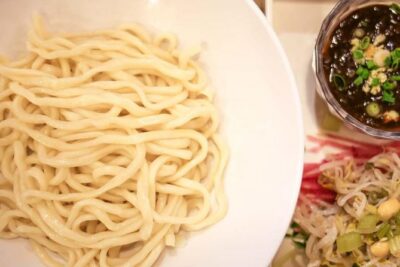
Beijing Hutong Walking Food and Beer Tour at Hidden Restaurants
Read our review →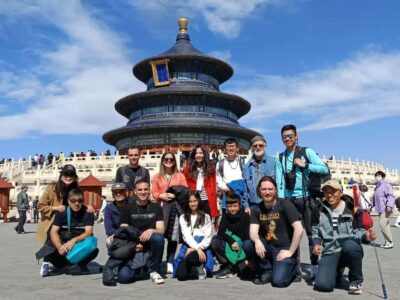
Temple Heaven, Summer Palace, Lama Temple, Hutong Bus Tour
Read our review →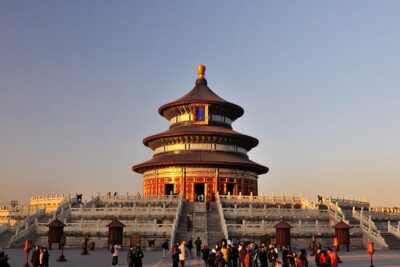
Temple of Heaven, Summer Palace, Lama Temple, Hutong Tours
Read our review →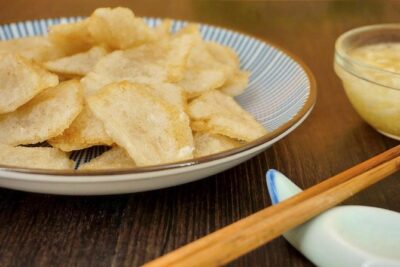
Beijing City Walk: Explore Hutongs Life and Old Beijing
Read our review →Browse the lists this tour appears in