Reviewed · TICKETS
Beijing: Confucius Temple and the Impercial College E-ticket
The best reason to visit Beijing’s Confucius Temple and Imperial College is that the two sites explain how China’s old education system worked while surrounding you with Yuan Dynasty architecture. You can trace the path from Confucian worship to state education, then pause before stone tablets carrying the names of 51,624 successful imperial examination candidates.
I like the simple QR-code entry, which avoids a ticket queue, and the low price of $7 makes this one of Beijing’s better-value cultural stops. I also like that the visit is more than a quick temple photo: exhibitions, halls, courtyards, and examination records give you plenty to examine at your own pace.
The main consideration is that this is an e-ticket attraction visit, not a guided tour with a named guide or a full-day program of scheduled activities. You will need to read the displays or arrange an audio guide at the entrance if one is available. Bring your original passport, not just a photograph of it.
Key points to know before you go
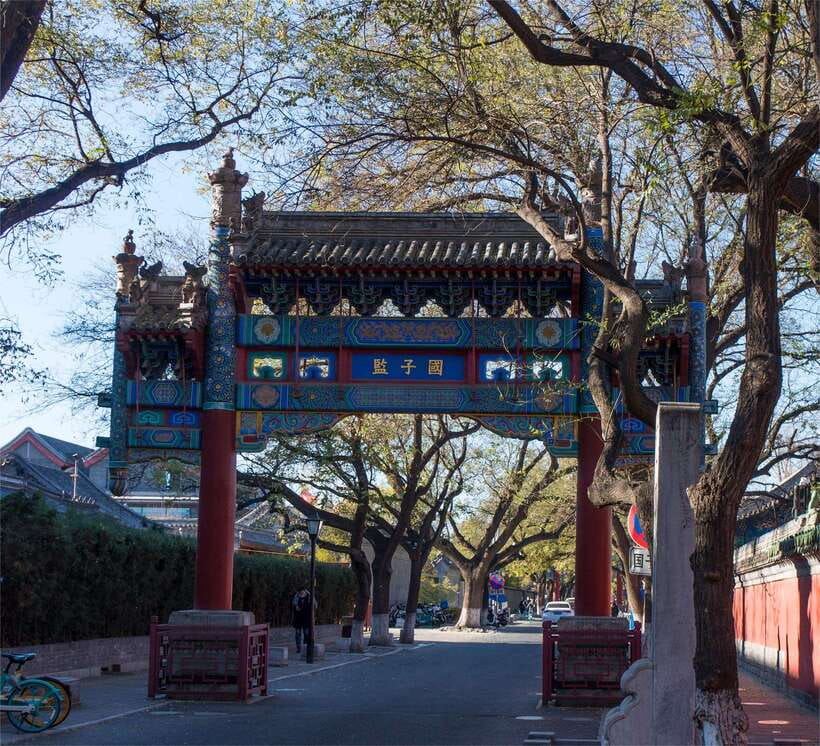
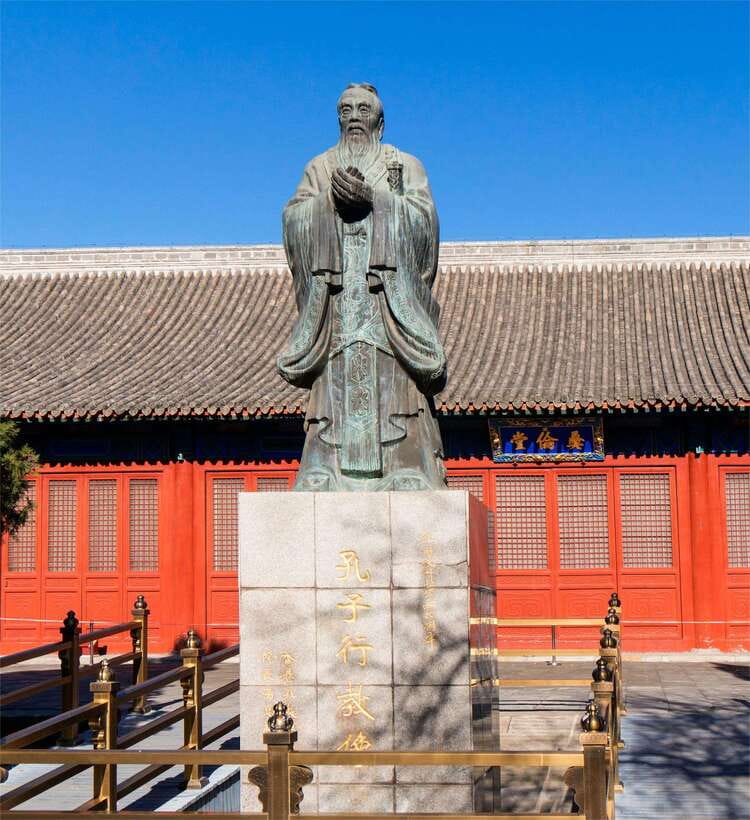
- Two historic institutions in one visit: Confucius Temple and Guozijian, the former Imperial College, sit together under the traditional temple-on-the-left and college-on-the-right arrangement.
- 51,624 examination names: The temple’s 198 stone tables preserve names, birthplaces, and ranks of successful candidates.
- Yuan Dynasty beginnings: Confucius Temple dates to 1306, while Guozijian was built in 1308.
- Three courtyards at each site: The central axes lead you through gates, halls, pavilions, and ceremonial spaces.
- Useful for self-guided sightseeing: Your QR code and original passport are the key entry items, and an audio guide may be available at the temple.
- A low-cost cultural stop: At $7 per person, the ticket is good value if you enjoy architecture, Chinese history, and quiet museum-style visits.
Why this two-site visit matters
Beijing’s Confucian Temple and Guozijian are best understood together. They represent two sides of the same old system. The temple honored Confucius and hosted ceremonies. The Imperial College educated students and helped administer the state education system during the Yuan, Ming, and Qing periods.
The layout makes the relationship clear. The buildings follow the traditional arrangement of temple on the left and college on the right. You are not simply moving from one unrelated monument to another. The two compounds show how Confucian thought shaped public life, schooling, official service, and cultural values.
For me, that connection is the main reason to choose this attraction over a site that offers only attractive old buildings. Even if you do not know much about Confucius or the imperial examination, the stone inscriptions and formal halls give the visit a clear subject.
The attraction was built more than 700 years ago, during the Yuan Dynasty. Confucius Temple was completed in 1306, in the sixth year of the Dade era. Guozijian followed in 1308, during the first year of the Zhida era. Those dates give the site a useful place in Beijing’s long architectural story.
A few more Beijing days worth a look
- From Beijing: Mutianyu Great Wall Tours with Options
★ 4.9 · 9,216 reviews - Beijing: Forbidden City Tour(Group/Private)-Tickets Included
★ 4.8 · 7,974 reviews - Beijing: T-Square & Forbidden City Group or Private Tour
★ 4.8 · 4,446 reviews
Entering with your QR code and passport
The entry process is straightforward, but you should take the passport rule seriously. You enter with your electronic ticket and original passport. A scan, photocopy, or image stored on your phone may not be accepted, so keep the document with you.
The QR code is designed to let you enter without waiting in a normal ticket line. That matters in Beijing, where saving a little time at the entrance gives you more freedom to explore the courtyards and exhibitions. The ticket is valid for one day, so you can plan your visit around the rest of your schedule rather than rushing through a fixed timed tour.
The admission covers the attraction ticket. No guide is listed as part of the experience, so you should treat this as an independent visit. The booking information identifies it as a private group experience, but the practical benefit for you is flexibility rather than a guided presentation.
Wheelchair access is available. Since the site includes several courtyards and historic buildings, you may still want to allow extra time and confirm the easiest route at the entrance if mobility is a concern.
Confucius Temple and its three courtyards
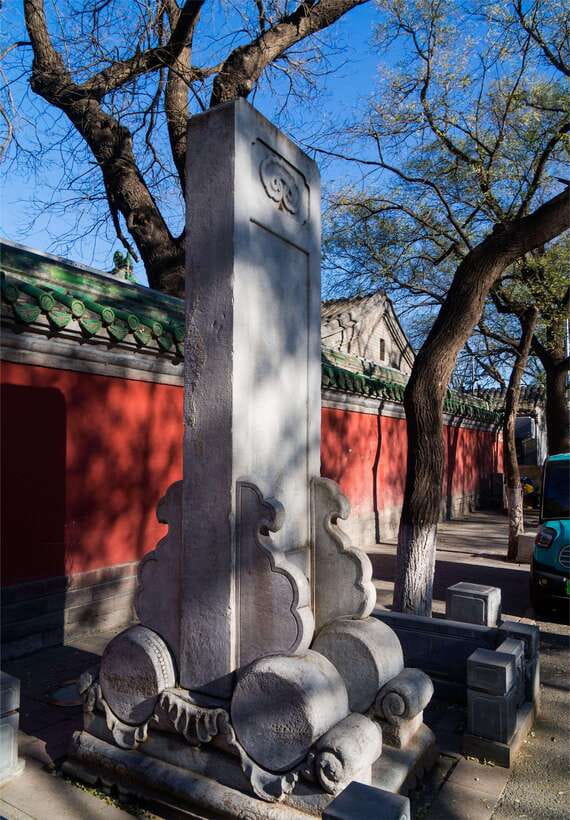
Begin with Beijing Confucius Temple, which covers more than 22,000 square meters. The construction area is about 7,400 square meters, and the complex follows a central axis through three courtyards.
The route runs from the Teacher Gate toward Dacheng Gate, then to Dacheng Hall and Chong Sheng Temple. These names are useful landmarks as you move through the compound. The gates create a gradual sense of arrival, while the central halls provide the main focus of the temple.
Dacheng Hall is especially important to the visit. It was the place connected with ceremonies honoring Confucius during the Yuan, Ming, and Qing dynasties. A restored Dacheng Hall exhibition helps explain the building and its ceremonial role. I would spend time here rather than treating the hall as a quick photo stop.
The temple’s design is formal and measured. It was built for ceremony, not casual daily life, and the straight axis makes that clear. Gates frame the next space, courtyards create pauses, and the halls grow in importance as you proceed north.
You may find the temple more rewarding if you slow down and look at how the buildings relate to one another. The attraction does not depend on one dramatic object. Its appeal comes from the ordered plan, the surviving structures, and the way the site presents education and Confucian values as part of state life.
The stone tablets and the imperial examination
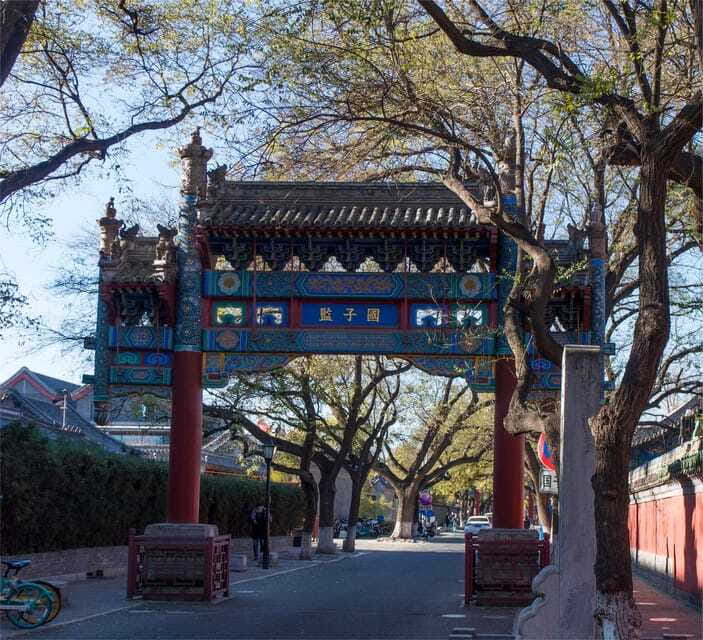
The most distinctive feature of the Confucius Temple is its collection of stone tablets. There are 198 tables in total, arranged in four groups on both sides of the front courtyard.
Together, the tablets record the names, birthplaces, and ranks of 51,624 people who passed the imperial examination. This is not just a list of names. It is a record of the examination system that selected officials and shaped the ambitions of educated families across China.
For you, the tablets turn an abstract historical subject into something visible. You can see how success was recorded and honored in stone. The collection also gives the temple a strong link to the Guozijian next door, where education was administered at the national level.
Do not expect every inscription to be easy to read. The quantity is part of the point, but it can also feel repetitive if you do not have a guide or explanation. I recommend reading the introductory material first, then choosing a few tablets or groups to examine closely rather than trying to inspect every name.
The tablets are also valuable for research into China’s imperial examination system. Even without specialist knowledge, you can understand their broad message: education was a route to official status, and examination success was important enough to preserve in permanent stone.
More entry tickets in Beijing:
- 4-Hour Small Group Tour to Forbidden City with Entry Tickets
★ 5.0 · 1,863 reviews - Beijing: Tiananmen Square Registration Service(Ticket)
★ 4.5 · 1,704 reviews - Beijing: The Temple of Heaven or Summer Palace Entry Ticket
★ 4.6 · 1,286 reviews - Beijing Forbidden City Ticket Booking (Optional: guide service)
★ 5.0 · 1,263 reviews
Exhibitions inside the temple
Three exhibitions add context to the buildings. They include the Exhibition of the Restored Dacheng Hall, the Exhibition of the Great Confucius, and an exhibition on the history of Beijing Confucius Temple.
These displays help fill the gap that a self-guided walk can sometimes leave. Historic gates and halls can be beautiful, but without interpretation you may not know why a particular building matters. The exhibitions connect the architecture to Confucius, temple ceremonies, and the changing role of the site.
The Great Confucius exhibition is useful if you want more background on the person whose ideas shaped the institution. The history exhibition places the Beijing temple in its local setting. The restored Dacheng Hall display gives you a closer look at one of the compound’s central buildings.
An audio guide may be available for purchase at the temple entrance. That option could be worthwhile if you want a spoken explanation without joining a scheduled group. Since the audio guide is not included in the ticket, treat it as an optional extra and check the price before buying.
Guozijian, the former Imperial College
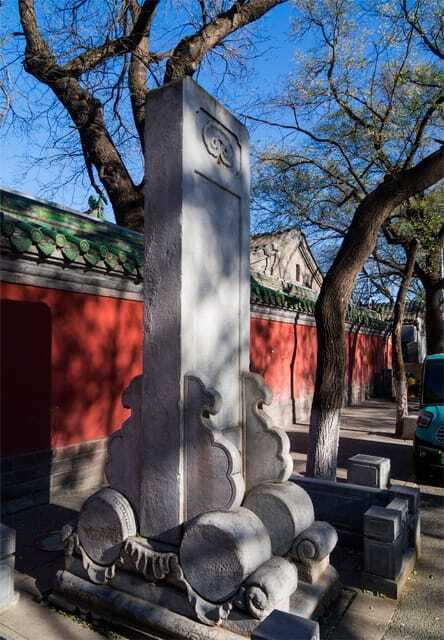
After the temple, continue to Guozijian, the old national educational institution. It covered about 28,000 square meters and also follows a three-courtyard plan.
Guozijian served as the highest educational institution and education administration body under the Yuan, Ming, and Qing dynasties. In plain terms, this was not simply a school. It was part of the state system that organized learning and prepared people for official roles.
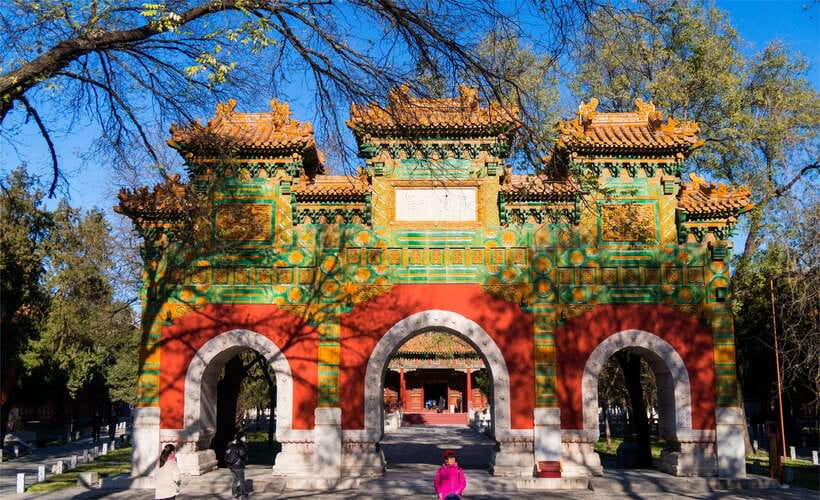
The central route passes through Jixian Gate, the Taixue Gate, the Glazed Memorial Arch, Biyong Hall, Yilun Hall, and Jingyi Hall. The names may seem unfamiliar at first, but the sequence gives you a framework for understanding the site.
The Glazed Memorial Arch is one of the visual markers along the route. Biyong Hall is another important stop on the central axis. The buildings and gates were arranged to create a clear progression through the institution, with ceremonial and educational areas placed in an orderly relationship.
Two halls and six main rooms sit beside the central axis. You will also find an Imperial Tablet Pavilion, along with Bell and Drum Pavilions arranged in a traditional symmetrical pattern. These side structures are easy to overlook if you hurry, but they help complete the picture of how the compound was organized.
I find Guozijian especially useful after the temple because the two sites answer different questions. The temple shows how Confucius was honored. The college shows how education operated within the state. Together, they make the visit more coherent than either one would be alone.
What the architecture tells you
The architecture here is not just decoration. The gates, halls, courtyards, and symmetrical side pavilions reflect a formal order. Movement through the space is controlled by the central axis, while the placement of the buildings signals their relative importance.
The three-courtyard plan also gives the visit a natural rhythm. You pass through an entrance, enter a more open court, approach a major hall, and then continue toward the next section. This makes the site easy to follow even without a guide.
The Yuan Dynasty foundation is important because much of Beijing’s story is told through later imperial buildings. Here, you can connect the city’s cultural institutions to the Yuan period and then consider how the site continued to function under the Ming and Qing dynasties.
You should not expect every structure to be presented as a fully furnished period interior. The attraction’s value comes mainly from the surviving plan, architectural details, inscriptions, exhibitions, and historical function. If you want dramatic imperial decoration, another Beijing palace site may suit you better. If you want to understand education and Confucian ceremony, this visit offers more substance.
How long to spend and how to pace the visit
The ticket is valid for one day, but the experience itself does not include a scheduled full-day itinerary. You can choose your own pace and combine the visit with other plans.
A quick walk through both compounds may leave you with the basic impression of gates and halls. I would allow enough time to read the exhibitions, see the stone tablets, follow the central axes, and pause at the main buildings. The exact time you need depends on how closely you read the displays and whether you use an audio guide.
The site works well for visitors who prefer independent sightseeing. You can stop for photographs, return to a tablet group, or spend extra time in an exhibition without waiting for a group to move on.
The private-group designation may appeal to couples, families, or small parties who want to enter together. Still, do not expect a personal historian unless you arrange one separately. The ticket provides access, not a named guide or live commentary.
Is $7 good value?
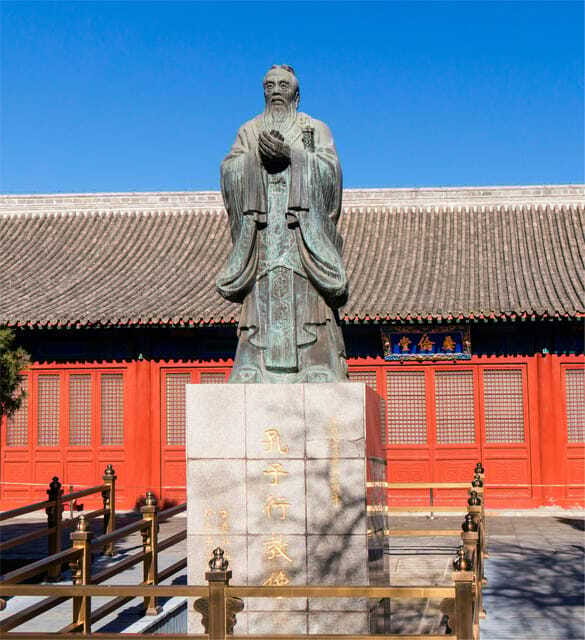
At $7 per person, I consider this a strong-value ticket for anyone interested in Chinese history, education, architecture, or museum displays. The price gives you access to two related historic institutions rather than one isolated hall.
The value is strongest when you take time with the exhibitions and stone tablets. If you only want a fast photograph of an old gate, you may not feel you received much for your money. The attraction rewards curiosity more than speed.
It is also a practical choice for a lower-cost day in Beijing. There are no additional tour activities included, so your main expense is the admission itself. An audio guide, if you choose to buy one, costs extra.
The free-cancellation policy allows cancellation up to 24 hours before the visit for a full refund, and you can reserve now and pay later. Those terms are useful when your Beijing schedule is still changing, but the most important planning point remains your passport. Without the original document, the easy QR-code entry may not help.
Who should visit this attraction?
I would recommend this experience to you if you enjoy:
- Historic architecture with a clear central plan
- Confucian culture and Chinese education
- Written records, inscriptions, and examination history
- Self-guided visits at your own pace
- Smaller cultural sites rather than only Beijing’s biggest landmarks
- A low-cost attraction with optional audio support
Families may find the examination tablets less immediately exciting than a palace or garden, but the halls and courtyards offer a calm setting for explaining how education once shaped public life. Students of Chinese history will get more from the site, especially if they read the exhibition material carefully.
You may want to skip it if your schedule is extremely tight and you only want Beijing’s most famous sights. You may also prefer a guided tour if you need detailed explanations at every building. No guide is included, and the available information does not name a guide.
Should you book the Confucius Temple and Imperial College ticket?
Book it if you want a quiet, focused look at Confucian education and imperial examinations rather than another grand palace visit. The combination of two connected compounds, 198 stone tablets, 51,624 recorded candidates, Yuan Dynasty foundations, and three exhibitions gives the $7 ticket real substance.
I would make the visit more rewarding by reading a little about Confucius and the imperial examination system beforehand, then checking for the optional audio guide at the entrance. Bring your original passport and keep your QR code ready.
Skip it only if you want a guided experience with a detailed spoken narrative or if your Beijing plans leave no room for a slower cultural stop. For independent visitors who value context, architecture, and good admission value, this is an easy ticket to recommend.
FAQ
What does the ticket include?
The ticket includes admission to Beijing Confucius Temple and Guozijian, also known as the Imperial College.
How do I enter the attraction?
Enter with your electronic ticket QR code and your original passport or ID document. The entry process is designed to let you skip the regular ticket line.
How long is the ticket valid?
The ticket is valid for one day. Check the available starting times when booking.
Is a guide included?
No named guide or live guided commentary is included in the provided activity details. An audio guide may be available to purchase at the temple entrance.
Is the attraction wheelchair accessible?
Yes, the attraction is listed as wheelchair accessible.
Can I cancel the booking?
Yes. You can cancel up to 24 hours in advance for a full refund. You can also reserve now and pay later.
Newly listed around Beijing
- Beijing: Summer Palace Ticket; fast and smooth★ 3.6 · 38 reviews
- Beijing: Summer Palace Entry Ticket★ 3.3 · 3 reviews
- Beijing: Summer Palace Highlight Walking Tour★ 4.8 · 25 reviews
- Beijing: Summer Palace, Sacred Road&Ming Tombs Private Tour★ 5.0 · 8 reviews
- Beijing: Summer Palace 3 Hours Guided Tour with Entry Ticket★ 4.8 · 4 reviews
- Beijing Private Tour: Summer Palace, Panda House and Options★ 5.0 · 21 reviews
- Beijing: Summer Palace Entrance(combo/tour opt)★ 4.7 · 6 reviews
- Beijing Royal Banquet with Chinese culture prefermance★ 5.0 · 3 reviews
Tickets, compared.
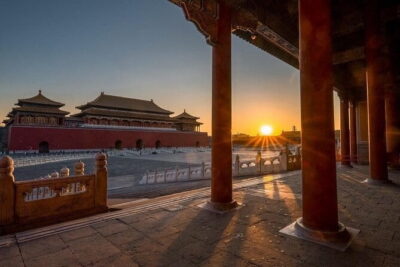
4-Hour Small Group Tour to Forbidden City with Entry Tickets
Read our review →

Ngong Ping 360: Cable Car Return Tickets & Combos
Read our review →
The Temple of Heaven or Summer Palace Entry Ticket
Read our review →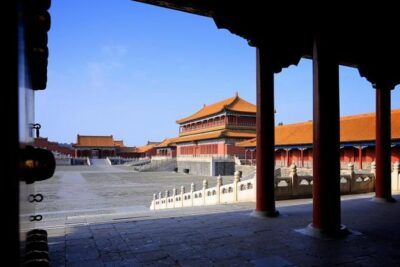
Beijing Forbidden City Ticket Booking (Optional: guide service)
Read our review →
Mutianyu Gt Wall Trip, Depart 8-10am Bus w/ Tickets
Read our review →
Forbidden City&T-Square Small GroupTours w/ ticket(Eng/Esp Guide)
Read our review →