Reviewed · SHANGHAI TOURS
Afternoon Tea and Dessert Tour on the Huaihai Road in Shanghai
The best part of this Shanghai outing is the way it links tea and sweets to daily life. You walk Huaihai Road, try mooncakes at two pastry shops, sit through a proper tea ceremony, and finish with cold Cantonese desserts rather than simply racing from one snack counter to the next.
I like the small size, capped at 10 people per booking, and the clear three-part rhythm. I also like the chance to taste teas such as pu-erh, ginseng oolong, jasmine, and Fujian black tea while learning why cup size and water temperature matter. The main consideration is the price: at $82 per person, this is best for you if guided context and a relaxed tasting matter as much as the food.
Key points at a glance
- Two mooncake stops on Huaihai Road: Compare pastry-shop varieties and learn why round mooncakes represent family reunions.
- A real tea ceremony: Taste several Chinese teas and watch the preparation, rinsing, pouring, and serving process.
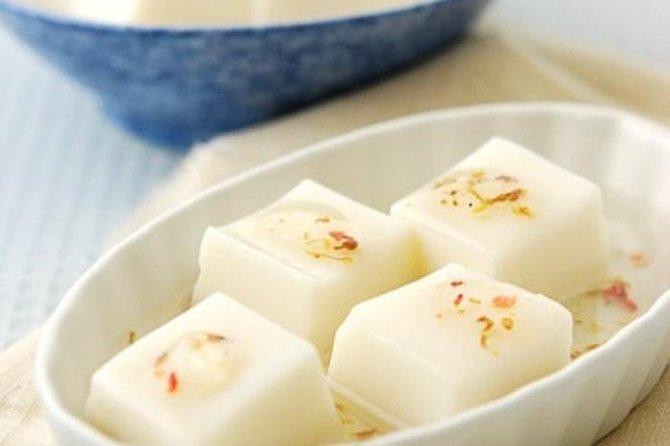
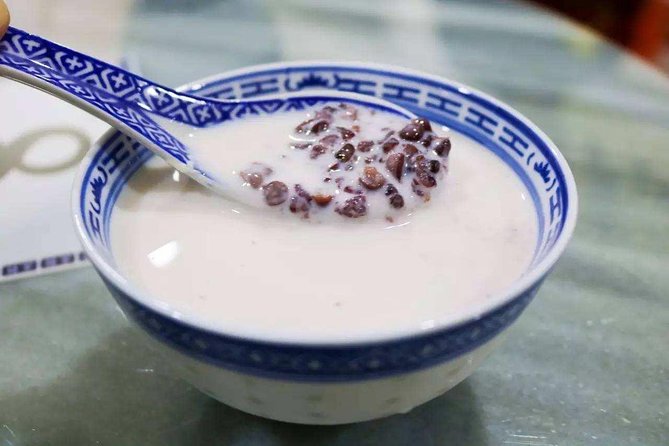
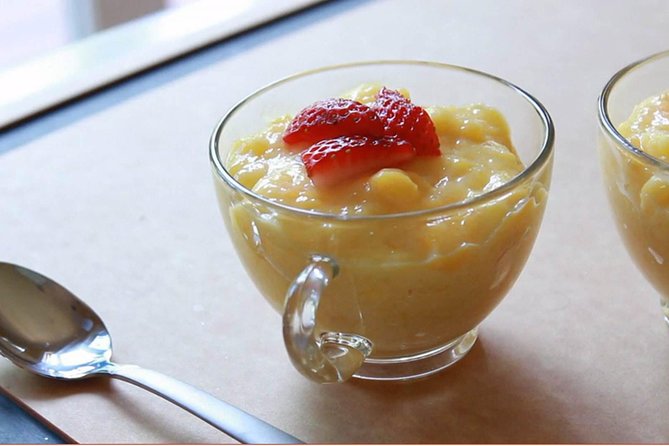
- Cantonese desserts to finish: Try milk pudding with purple sticky rice, jellied mousse cake, papaya, mango purée, and almond tofu.
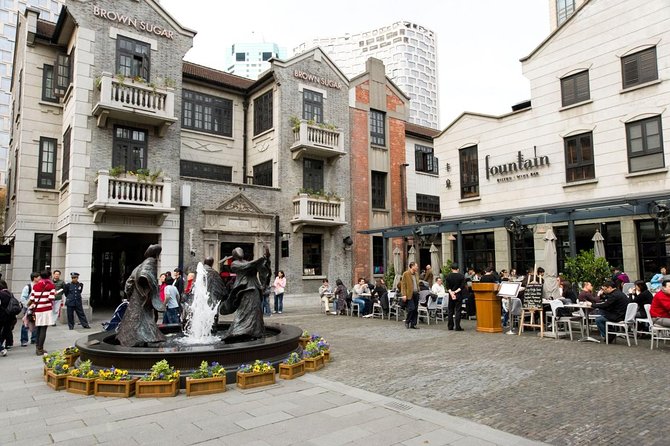
- A compact central-Shanghai route: The walk connects Huaihai Road, Xintiandi, and the Former French Concession.
- A small group with personal attention: Bookings are limited to 10 people, though the overall activity may reach 15 participants.
- A three-hour afternoon plan: Meet at 2pm and finish in the Former French Concession area, with no hotel transportation included.
Why this food walk feels different from a standard Shanghai snack tour
Shanghai has plenty of food tours, but this one takes a slower, more focused path. You are not trying to cover every famous dish in one afternoon. Instead, the outing centers on the relationship between tea, pastry, ritual, and dessert.
That focus gives the tour a clear purpose. Mooncakes are not just sweet cakes to sample. You learn that their round shape traditionally represents family reunion, and that they are commonly served with tea, especially during the Mid-Autumn Festival. The tea stop then gives you a way to understand why these pastries work with different brews.
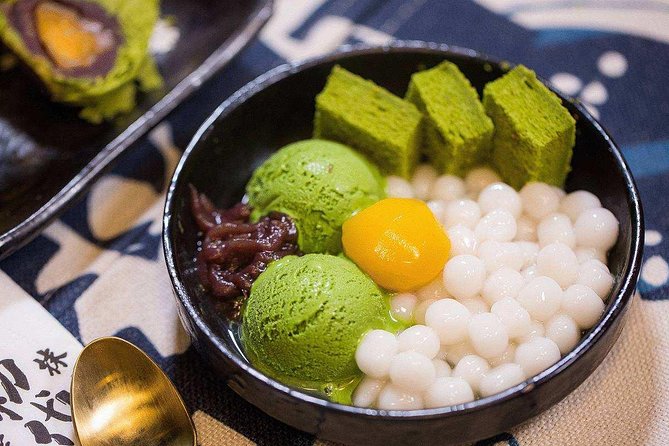
The final dessert stop shifts the mood again. Cantonese sweets often use softer textures and cooler temperatures, so the meal ends with pudding, fruit, purée, and almond tofu rather than another baked pastry. I like that progression. It lets you compare three different parts of Chinese food culture in one sitting.
You should also know that this is a walking and tasting experience, not a full sightseeing tour. You will see parts of central Shanghai, but the guide’s main job is to explain the food and tea. If you want major landmarks, museum tickets, or a broad overview of the city, this is not the right afternoon.
Other Shanghai days travellers book alongside this one:
- Authentic Local Food Tour in Central Shanghai
★ 5.0 · 1,382 reviews - Zhujiajiao Water Town and Shanghai City Private Day Tour
★ 5.0 · 1,016 reviews - Private Shanghai Full Day City Tour with Old and New Highlights
★ 5.0 · 995 reviews
Starting on Huaihai Road at 2pm
The meeting point is 333 Huai Hai Zhong Lu in Huangpu District. You meet the guide and group at 2pm, then begin along Huaihai Road, one of central Shanghai’s well-known shopping and food streets.
The route’s urban setting is useful. You are not tasting mooncakes in a detached cooking classroom. You begin among the shops and streets where people actually buy pastries and tea. That makes the first part feel connected to ordinary city life, even though the experience is arranged for visitors.
The first 45 minutes focus on two local pastry shops. You sample several mooncake varieties, including the possibility of both sweet and savory fillings. The exact selection can change, so do not expect a fixed menu of named flavors. The important point is comparison: you get more than one stop and can notice how pastry texture, filling, and sweetness vary.
Mooncakes can be dense, so the portions and pacing matter. Tea is the natural partner, and the guide explains how these cakes are usually served. If you have only encountered mooncakes in a packaged gift box, this is a useful chance to connect the food with the Mid-Autumn Festival and its family symbolism.
This part is also the most practical for people who enjoy food but do not want a heavy meal. You taste small portions rather than committing to a full restaurant lunch. Still, anyone with dietary restrictions should report them when booking. The tour includes food at several stops, and the available choices are not fully specified.
Learning to read a mooncake
Mooncakes are often described as pastries, but that simple label misses their cultural role. Their circular form symbolizes reunion, which explains why they are strongly associated with the Mid-Autumn Festival and family gatherings.
During the tour, pay attention to the balance between the outer pastry and the filling. Some versions are sweet, while others can be savory. That variety is one reason two pastry-shop visits are more useful than a single tasting. You can compare the cakes rather than treating mooncake as one fixed food.
I would approach this stop with an open mind and a small appetite. Mooncakes can be rich and compact, and the tour later includes desserts. The afternoon works best if you think of it as a series of samples, not three full meals.
The tea ceremony near Xintiandi
After the pastry stops, you sit at a tea house near the dessert shops in the Xintiandi area. The tea portion lasts about an hour, making it the longest stop and the cultural center of the afternoon.
You taste several varieties, including pu-erh, ginseng oolong, jasmine tea, and black tea from Fujian. These are not interchangeable cups. The guide explains how different regions and tea styles produce different aromas and flavors, giving you a better basis for deciding what you actually like.
The preparation is part of the appeal. You learn about the roles of different cup sizes and water temperatures. That may sound technical, but it changes the taste. Tea is not simply poured from a pot and left to sit. The way it is rinsed, brewed, and served affects the final cup.
One particularly useful detail comes from the tea preparation itself: flavors can develop across several rinses and refills. If you are watching the tea master work, notice how the same leaves can change as the session continues. This is a more revealing experience than ordering a single cup at a café.
The guide also places Chinese tea culture in a wider setting, including the way tea drinking became popular in the West during the 1800s. That historical note adds context without turning the stop into a lecture. You still spend most of the hour tasting and watching the ceremony.
Guide Jim is specifically praised for his enthusiasm and clear explanations. He has also led tea sessions in which the guide and participants could watch a tea master prepare several kinds of tea. Guide assignments can vary, so you should not assume Jim will lead every departure, but his name is associated with the experience.
This stop is where the small group makes the biggest difference. With a group of 10 or fewer per booking, you have a better chance to see the preparation and ask about tea types, serving customs, or brewing temperatures. The activity information also notes a maximum of 15 participants overall, so confirm the group size if that matters to you.
A few more Shanghai days worth a look
- Shanghai: Hop-on Hop-off Bus Ticket and Optional Attractions
★ 3.4 · 692 reviews - Shanghai Private Tour: Zhujiajiao Water Town and Boat Ride
★ 5.0 · 661 reviews - Eat Like A Local: Shanghai Night Food Tour
★ 5.0 · 616 reviews - Huangpu Night Cruise: Cozy Vibe & Modern Shanghai Glow
★ 4.3 · 520 reviews
Cooling off with Cantonese sweets
The final 45-minute stop takes place at a Cantonese dessert restaurant in the Former French Concession area. This is not another pastry counter. The sweets are mainly cold or chilled, giving the afternoon a different texture and flavor profile.
The tasting may include milk pudding with purple sticky rice, jellied mousse cake, papaya, mango purée, and almond tofu. These dishes cover a wide range of textures. You get creamy pudding, soft jelly, fresh fruit, smooth purée, and a delicate tofu-based dessert.
I like this ending because it prevents the tour from becoming a long sequence of baked goods. After mooncakes and tea, the Cantonese desserts feel lighter and more varied. Mango purée and papaya bring fruit flavors, while almond tofu and milk pudding offer softer, milder options.
Do not expect every sweet listed to appear on every departure unless the provider confirms it. The description presents these as examples of the cold desserts you may taste. If one particular item matters to you, ask before booking.
The tour ends in the area after dessert, around the Former French Concession and Xuhui District. There is no hotel pickup or drop-off, so you will need to arrange your own way back. The ending location is useful if you plan to continue exploring central Shanghai, but it is not a door-to-door outing.
What $82 buys you
The cost is $82 per person. That is not a bargain food crawl, especially because the tour lasts about three hours and does not include transportation.
The value comes from the combination of guided explanation, multiple tastings, and the tea ceremony. You are paying for more than a plate of desserts. The guide connects the food to festival customs, regional tea styles, serving etiquette, and the way tea developed as a social habit.
I would consider the price reasonable if you are curious about Chinese tea and want an organized introduction without spending time choosing pastry shops and tea houses yourself. The small group also adds value, particularly during the tea ceremony, where seeing the preparation and asking questions are part of the experience.
The price is harder to justify if your priority is quantity. This is not designed to replace lunch or dinner, and the exact food portions are not stated. If you mainly want to eat as much as possible for $82, choose a larger food tour or a restaurant meal instead.
The experience is generally booked about 29 days ahead. That suggests you should reserve early if your Shanghai schedule is fixed, especially since the group is kept small.
Who will enjoy this afternoon most
I would recommend this tour to first-time Shanghai visitors who want cultural context with their food. It is also a good fit for anyone who has seen tea ceremonies before but wants to compare several Chinese teas rather than simply observe one demonstration.
Dessert fans will find plenty to like, but the tour suits curious eaters more than people who want familiar Western cakes. Milk pudding, almond tofu, purple sticky rice, and jellied mousse cake may be new textures. That is part of the point.
Couples and small groups should find the pace comfortable, and solo participants can benefit from the structured route and guide-led conversation. Children can join, but anyone under 18 must be accompanied by an adult. Children under 3 may join free.
You should wear comfortable walking shoes. The tour operates in all weather, so dress for the conditions on the day. It is near public transportation, but you still need to reach the meeting point on your own.
Most people can take part, and service animals are allowed. Tell the provider about dietary requirements when you book. The information does not promise a particular substitute menu, so do not assume every restriction can be handled at every stop.
Practical timing and cancellation details
The tour begins at 2pm and runs for about three hours. That timing leaves your morning free and puts the tea ceremony in the middle of the afternoon, when a full restaurant meal may feel too heavy.
The start is at 333 Huai Hai Zhong Lu, Huangpu District. The end is in the Former French Concession area of Xuhui District. Since there is no hotel transportation, use the meeting point and ending district when planning your day.
A mobile ticket is provided, and booking confirmation arrives at the time of reservation. Free cancellation is available if you cancel at least 24 hours before the local start time. Changes or cancellations made less than 24 hours before the start do not qualify for a refund.
Should you book the Huaihai Road tea and dessert tour?
Book it if you want a calm, well-organized afternoon built around Chinese tea, mooncakes, and Cantonese sweets. The strongest feature is the connection between the tastings: mooncakes introduce the food customs, the tea house explains the ritual, and the final dessert stop broadens your sense of Chinese sweets.
I would be especially inclined to book if you enjoy learning how food is served, not just eating it. The tea ceremony, changing flavors across refills, and discussion of cup size and water temperature give the afternoon real substance.
Skip it if you want a large meal, major sightseeing, or a low-cost snack crawl. At $82, this is a specialized experience. For the right person, the guide’s explanations and the tea ceremony make the price worthwhile. For everyone else, the food alone may not be enough.
FAQ
Where does the tour begin?
It begins at 333 Huai Hai Zhong Lu, Huangpu District, Shanghai, China 200021.
What time does the tour start?
The meeting time is 2pm.
How long does the experience last?
The tour lasts approximately three hours.
What areas does the tour visit?
The route includes Huaihai Road, Xintiandi, and the Former French Concession.
What food is included?
The tour includes mooncakes from two pastry shops, afternoon tea and a tea ceremony, and Cantonese desserts.
Which teas might be served?
The tasting may include pu-erh, ginseng oolong, jasmine tea, and Fujian black tea.
What desserts might be served?
Possible desserts include milk pudding with purple sticky rice, jellied mousse cake, papaya, mango purée, and almond tofu.
Is hotel pickup included?
No. Hotel pickup and drop-off are not included.
How large is the group?
A booking can include up to 10 people. The activity information also gives a maximum of 15 participants overall.
Can I cancel for a refund?
Yes. You can cancel at least 24 hours before the local start time for a full refund. Cancellations or changes made less than 24 hours before the start are not accepted for a refund.
Newly listed around Shanghai
- shanghai Disney tour★ 5.0 · 12 reviews
- shanghai Disney+shanghai one day city highlights tour (two days)★ 5.0 · 4 reviews
- Zhujiajiao Water Town and Shanghai City Highlights Private Day Tour★ 5.0 · 3 reviews
- Zhujiajiao Water Village & Seven Treasure Town Day Tour from Shanghai★ 4.0 · 8 reviews
- Zhujiajiao Water Town Private Tour with Local Farm Visit and Fruit Picking★ 5.0 · 3 reviews
- Zhujiajiao Water Town Self-Guided Tour with Private Transfer from Shanghai★ 5.0 · 7 reviews
- Xitang Water Town Self-Guided Tour from Shanghai with Private Transfer★ 5.0 · 5 reviews
- Xitang Water Village Sunset Tour with Riverside Dining Experience from Shanghai★ 4.5 · 45 reviews
Shanghai Tours, compared.

Authentic Local Food Tour in Central Shanghai
Read our review →
Zhujiajiao Water Town and Shanghai City Private Day Tour
Read our review →
Private Shanghai Full Day City Tour with Old and New Highlights
Read our review →
Hop-on Hop-off Bus Ticket and Optional Attractions
Read our review →
Shanghai Private Tour: Zhujiajiao Water Town and Boat Ride
Read our review →

Huangpu Night Cruise: Cozy Vibe & Modern Shanghai Glow
Read our review →