
Reviewed · ANCIENT TOWN TOURS
Pingyao Ancient City Scenic Area Pass Ticket Only
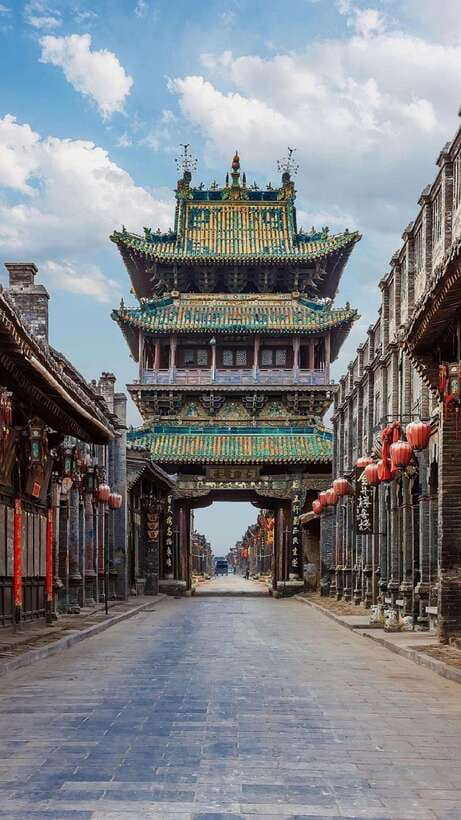
Pingyao’s old city is best understood on foot, one courtyard and narrow lane at a time. This self-guided pass gives you access to the city wall, old banking houses, temples, government offices, and museums, all behind one QR code. I like the simple entry system and the freedom to linger where you please. I also like that the pass includes far more than a single headline sight.
The catch is that this is admission only. You arrange your own route, transport, meals, and interpretation, and the product information gives both one-day and three-day validity details. Confirm that point before paying, especially if you plan to spread the sights over several days.
Key points to know before you book
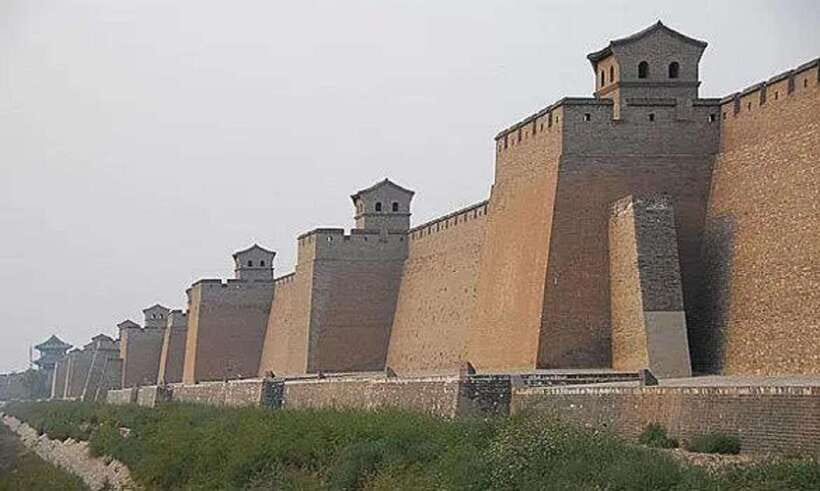
- One QR code replaces a paper ticket: Show the image at the entrance, with no paper ticket needed.
- The city wall is included: You can look over Pingyao’s compact old town from its historic defensive circuit.
- Old banking history comes alive: Rishengchang, Weitaihou, Weishengchang, Baichuantong, and Xietongqing are among the included draft banks.
- You get a broad choice of museums: Bodyguard agencies, the chamber of commerce, ancient weapons, newspapers, and a historic residence are all covered.
- There is no guide or hotel transfer: This works best for independent visitors who enjoy setting their own pace.
- The pass has a validity detail to check: The highlights say three days, while the activity information says one day, so ask the provider to confirm.
Why Pingyao works so well as a self-guided visit
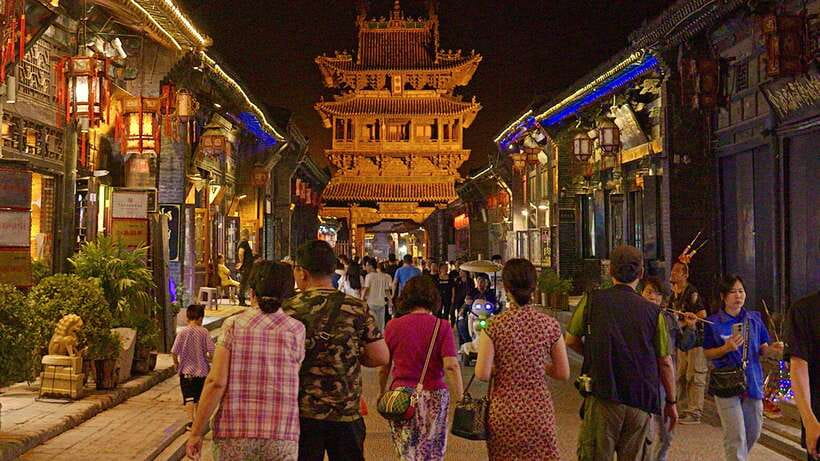
Pingyao is one of northern China’s great preserved old cities. It lies in Shanxi Province, in the Jinzhong area, about 600 kilometers from Beijing. Its story reaches back about 2,700 years, though the city’s most recognizable growth came during the Ming and Qing dynasties.
That long timeline matters because Pingyao is not simply a restored wall with a few old buildings inside. Traditional residences now serve as hotels, restaurants, tea rooms, and wine houses. Former homes of important local figures have become small museums. As you walk, the city’s everyday buildings provide much of the atmosphere.
I like this pass because it lets you choose how much of that story you want. You can focus on architecture and views, spend time on old finance, or follow the development of local government and trade. A guide would provide more explanation, but independent visitors get something valuable in return: control.
The listed self-guided visit takes about three hours. That is a useful minimum, not a strict limit. If you want to see many of the included buildings rather than simply enter a few, allow more time if the ticket’s validity period permits it. The conflicting one-day and three-day information makes that an important question to settle before booking.
More Ancient Town Tours in Datong:
- Half-Day Bike Tour of Shanghai Old Town with Food Tasting
★ 5.0 · 306 reviews - 3-Day Yellow Mountains, Hongcun Village and Tunxi Ancient Street Private Tour
★ 5.0 · 75 reviews - 1-Day Mt. Huangshan Tour with Optional Hongcun & Xidi Village
★ 5.0 · 45 reviews
Entering Pingyao with the QR code
The practical part is refreshingly direct. You provide every participant’s passport number and full name, then receive a QR image. At the entrance, show the code on your phone. You do not need to use a paper ticket.
The pass is described as skip-the-line admission, which can save time at the main entry point. Still, skip-the-line does not mean every attraction inside will be empty. It mainly simplifies access to the scenic area and avoids dealing with a paper voucher.
Keep the QR image easy to find. A charged phone is essential, since the entry method depends on displaying the code. The supplied information does not mention a printed backup process, so it is sensible to keep the booking details available offline.
Photography is allowed, but flash photography is not. That rule matters most inside museums and historic interiors, where light-sensitive displays or old surfaces may need protection.
Walking the ancient city wall
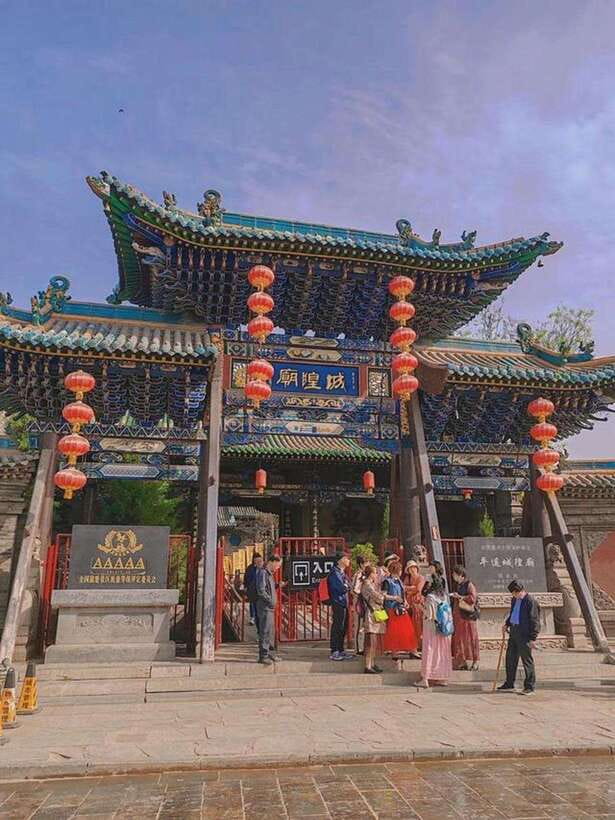
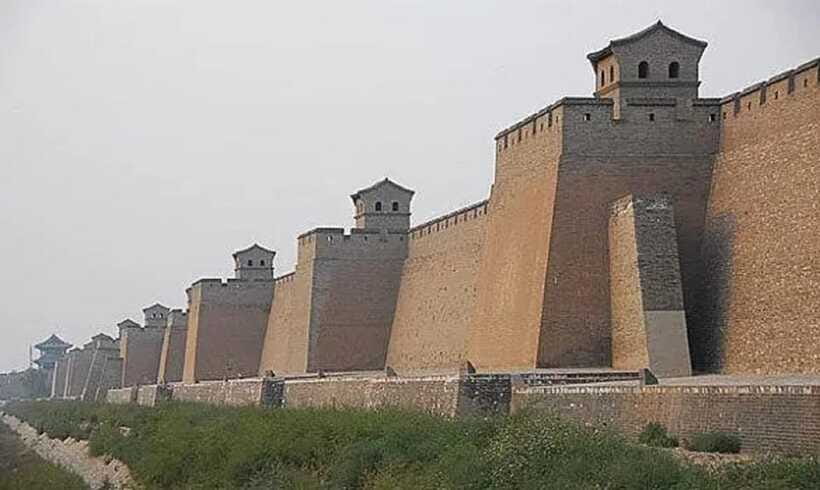
The ancient city wall is the best place to begin because it gives you a physical sense of Pingyao. From above, you can see how the old city fits together, with lanes, courtyards, and traditional roofs forming a compact urban pattern.
I would start here before visiting the smaller buildings. It helps you get your bearings, and it gives the later stops a clearer setting. You can better understand why the gates, walls, temples, offices, and commercial courtyards occupy such important positions.
The wall is also a good choice for visitors who want a broad view without a guided explanation. You can walk at your own speed and pause when the view interests you. The ticket includes admission to the wall, but the information provided does not specify the full walking distance, surface conditions, or whether every section is suitable for every mobility need.
The activity is listed as wheelchair accessible. If you use a wheelchair, it is still wise to confirm the exact route and access at the wall and individual historic buildings, since old sites can have different conditions from one another.
Rishengchang and the old draft banks
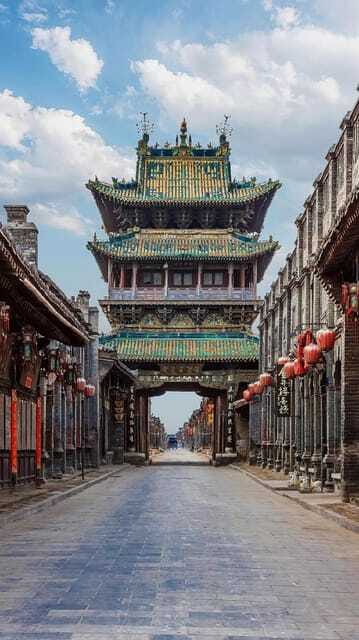
Pingyao’s financial past is one of the most distinctive reasons to visit. Rishengchang Ancient Draft Bank is included, along with Weitaihou, Weishengchang, Baichuantong, and Xietongqing.
These draft banks are not modern banks in the familiar sense. They represent the city’s role in long-distance commerce and financial services during the Ming and Qing period. Courtyards, offices, counters, and working spaces help you picture how money and business moved through the region.
Rishengchang is a sensible first banking stop because it is one of the named headline sights in the pass. After that, the additional banks let you compare layouts and displays rather than treating one institution as the whole story. I would not rush through them. Even without a guide, look for differences in courtyard arrangement, official rooms, storage areas, and the way each museum presents its material.
The limitation is that the ticket provides entry, not explanation. Labels may give useful information, but you will need to read at your own pace and connect the sites yourself. If financial history is your main interest, bring time for several banks. If it is not, choose two or three and use the remaining time for temples, residences, and museums.
A few more Datong days worth a look
- Private Datong Day Tour Arranged by Local Tour Guide Nancy
★ 5.0 · 46 reviews - Beijing to Datong See YunGang Cave, Hanging Temple (Bullet Train)
★ 5.0 · 39 reviews - Beijing:Bullet Train Tour to Hanging Temple&Yungang Grottoes
★ 5.0 · 16 reviews - Datong Classic Day Tour
★ 5.0 · 13 reviews
Government, temples, and local civic life
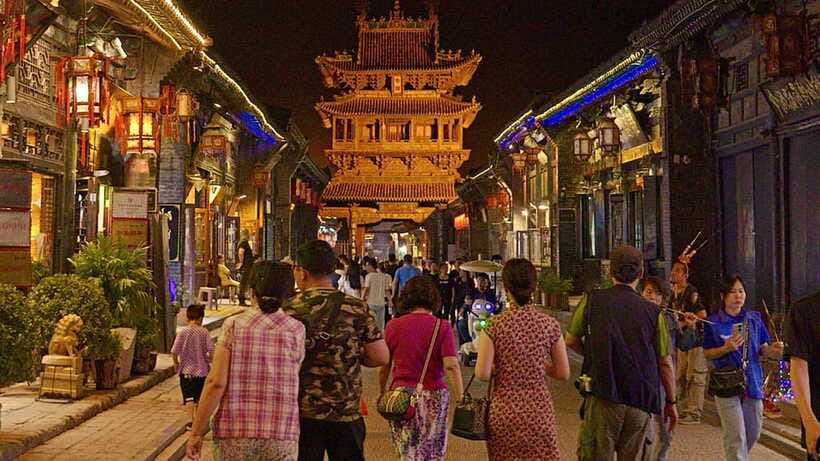
The Ancient Government Buildings, also known as the county government offices, show another side of old Pingyao. Banking houses explain trade and finance. The government complex points to administration, law, and the daily work of running a county.
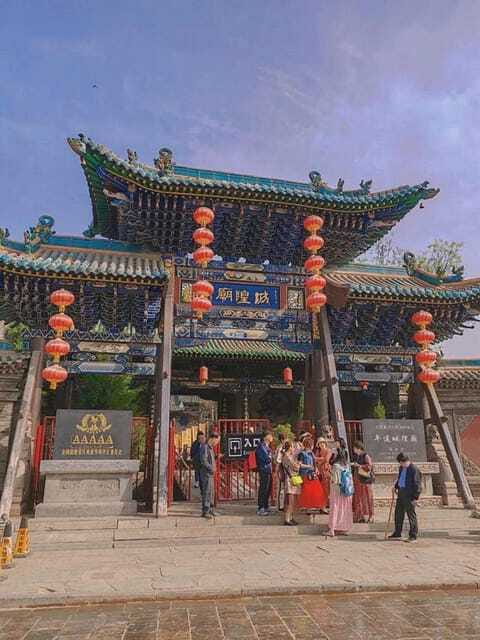
The City God Temple adds a religious and civic dimension. City God temples traditionally linked local spiritual beliefs with protection of the community, and this stop gives you a change of mood from commercial courtyards and administrative rooms.
Pingyao Confucian Temple is another important inclusion. It connects the city with Confucian learning, education, and social values. The temple visit can feel quieter and more reflective than the busiest commercial streets.
Qingxu Taoist Temple and Erlang Taoist Temple broaden the religious picture. Seeing Buddhist, Confucian, and Taoist sites in the same old city helps you understand that Pingyao’s heritage is not only about wealthy merchants. It also includes belief, education, public order, and community life.
I like this mix because it prevents the pass from becoming a simple parade of old merchant homes. The drawback is that the ticket includes many stops, and some visitors may find the repeated courtyards and temple layouts difficult to distinguish without a guide. Take brief notes as you go, or save the names of the places that interest you most.
Museums that reveal the working city
The pass includes a wide group of smaller museums. That variety is useful when you want more than architecture.
The Huiwuli Bodyguard Agency Museum, Tongxinggong Bodyguard Agency, and North China First Bodyguard Agency introduce the protective services that supported trade. Merchants moving goods and money needed security, so these sites connect naturally with the draft banks.
Tianjixiang Museum and Pingyao Chamber of Commerce Museum add more detail about local business and civic organization. The chamber of commerce is especially useful for seeing how merchants worked together beyond individual shops or family firms.
The China Rare Newspaper Exhibition Hall takes you in a different direction, using newspapers as a record of communication and public information. Wentaofang Museum of Ancient Weapons adds another practical subject, showing the tools connected with defense and protection.
These smaller museums are where the self-guided format can work especially well. You can spend five minutes at a stop that does not interest you and much longer at one that does. A fixed tour would give you more structure, but it might also hurry you past the museum that becomes your personal favorite.
Historic homes and the human side of Pingyao
Mr. Lei Lutai’s former residence and Ma Family Courtyard bring the story down to the household level. Instead of looking only at institutions, you see how prominent families lived and how domestic space reflected status, work, and family structure.
The Ma Family Courtyard is particularly useful for understanding the scale of an established household. Courtyards were not just decorative spaces. They organized movement, privacy, family life, and work. You might find the residence more immediately relatable than a financial museum, even though both belong to the same larger story.
Traditional homes throughout the city have also been adapted into hotels, restaurants, tea rooms, and wine houses. That reuse is part of what makes Pingyao feel like a living old city rather than an isolated monument. At the same time, commercial activity can make it harder to tell where heritage interpretation ends and modern tourism begins.
I would treat the included homes as places to slow down. Look at gateways, courtyards, rooflines, and the relationship between public and private rooms. You do not need to enter every shop to appreciate how the old residential pattern continues around you.
Ming and Qing Street, the easiest place to wander
Ming and Qing Street is the natural spine for a first visit. It gives you a straightforward route through the old city and connects the experience of sightseeing with the city’s present-day shops and services.
This is where the pass and the city itself meet most clearly. You can move from a historic bank to a shop, from a temple to a tea room, or from a museum to a restaurant without leaving the old urban setting. I like that you are not sealed inside a museum complex for the entire visit.
The main street may also be the least quiet part of the experience. If you prefer courtyards, temples, and smaller museums, use the street as a route between stops rather than as the whole attraction. The pass gives you plenty of alternatives.
Because no meals are included, Ming and Qing Street is also the practical place to arrange food during your visit. The ticket does not include restaurants, drinks, or other purchases, so budget separately.
What the $36 price really buys
At $36 per person, this is not a cheap single-attraction ticket. It is better judged as a multi-site heritage pass.
The value is strongest if you visit several included buildings: the wall, at least one temple, the government offices, two or more banking houses, and a selection of museums or residences. Paying for separate admissions could be less convenient, and the pass removes the need to decide at every doorway.
The value drops if you only want to stroll the streets or see one famous building. You are paying for breadth, so use the ticket fully. The broad list is also useful for repeat visitors who want to explore a different side of Pingyao instead of repeating only the most famous stops.
There is no transport, hotel pickup, guide, or meal in the price. That keeps the product simple, but it means your total day cost will be higher if you need transfers from outside Pingyao or want private interpretation.
The activity allows cancellation up to 24 hours before the scheduled time for a full refund, and reserve-now, pay-later booking is available. Those terms are helpful if your northern China route is still changing.
Who should choose this pass
I would choose it for an independent visitor who likes old streets, museums, architecture, and the freedom to set a personal pace. It also suits anyone who can read site information patiently and is comfortable building a route without a guide.
Families or mixed-interest groups may appreciate the flexibility. One person can linger at the banks, another can focus on temples, and everyone can regroup later. The QR entry also keeps the group from managing a stack of paper tickets.
I would think twice if you want a guided explanation of Pingyao’s complicated financial and social history. This product does not include a guide, and the information provided does not name one. It is also not the right pass if Shuanglin Temple or Zhenguo Temple is your main goal, since neither is included.
My booking advice
Book this pass if you want broad access and plan to see several historic sites in Pingyao. The QR system is simple, the list of included attractions is unusually wide, and the wall, banks, temples, government offices, homes, and specialist museums give you many ways to shape the day.
Before booking, confirm the validity period. The highlights describe a three-day ticket, while the activity details say valid one day. That difference could change the value considerably. Also send the required passport numbers and full names carefully, since the QR admission depends on those booking details.
FAQ
What does the Pingyao Ancient City pass include?
It includes admission to the ancient city wall, Rishengchang Ancient Draft Bank, City God Temple, Pingyao Confucian Temple, Ming and Qing Street, Ancient Government Buildings, Qingxu Taoist Temple, Tianjixiang Museum, bodyguard agency museums, several additional draft banks, historic residences, the chamber of commerce museum, the rare newspaper exhibition hall, the ancient weapons museum, and Erlang Taoist Temple.
Does the pass include a tour guide?
No. This is an entrance ticket for a self-guided visit. A tour guide is not included.
Is hotel pickup and drop-off included?
No. Hotel pickup and drop-off are not included.
Are meals included?
No. You need to arrange and pay for meals yourself.
Are Shuanglin Temple and Zhenguo Temple included?
No. Admission to Shuanglin Temple and Zhenguo Temple is specifically excluded.
How do I enter the attractions?
You provide each participant’s passport number and full name, then receive a QR image. Show the QR image at the entrance. You do not need to use a paper ticket.
How long is the ticket valid?
The supplied details are inconsistent. One section says the ticket is valid for three days, while another says valid one day. Confirm the exact validity with the provider before booking.
Newly listed around Datong
- Datong Yungang Grottoes and Hanging Monastery 1-day from Beijing by Train★ 5.0 · 4 reviews
- Private Tour Datong Hengshan Hanging Temple Yungang Grottoes★ 5.0 · 4 reviews
- Datong Classic Day Tour★ 5.0 · 13 reviews
- Datong Private Self-guided Tour with Chartered Car★ 5.0 · 10 reviews
- Private Datong Day Tour Arranged by Local Tour Guide Nancy★ 5.0 · 46 reviews
- Datong: Temples and Grottoes day tour with tickets options★ 3.1 · 7 reviews
- Datong: Transfer or Tour to Yungang Grottoes&Hanging Temple★ 4.4 · 4 reviews
- Datong:HangingTemple&Grotto Private Car with Entrance ticket★ 4.8 · 11 reviews
Ancient Town Tours, compared.
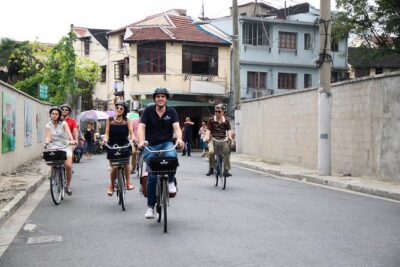
Half-Day Bike Tour of Shanghai Old Town with Food Tasting
Read our review →
3-Day Yellow Mountains, Hongcun Village and Tunxi Ancient Street Private Tour
Read our review →
1-Day Mt. Huangshan Tour with Optional Hongcun & Xidi Village
Read our review →
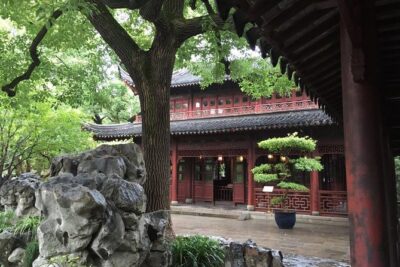
3-Hour Shanghai Yu Garden &Old Town Private Tour with Tea Tasting
Read our review →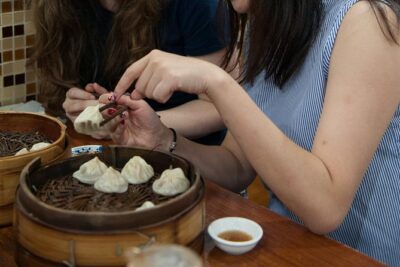
Off-beaten Route: Shanghai Old Town Discovery&Street Food Tasting
Read our review →
Shanghai:Old Town, Yu Garden, Zhujiajiao Water Town Bus Tour
Read our review →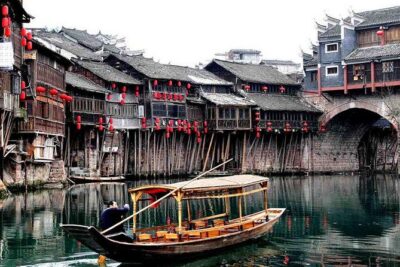
3-Day “A Bite” Of Mysterious West Hunan Tour (Zhangjiajie+Fenghuang)
Read our review →Browse the lists this tour appears in