
Reviewed · CHENGDU TOURS
Jinsha&Sanxingdui archaeological site private day tour
Sanxingdui is the kind of archaeological site that makes you stop and stare. Huge bronze heads, gold masks, ivory, jade, and strange ritual objects reveal an ancient Shu culture that left no written record in Chinese history. This private day tour links Sanxingdui with nearby Jinsha Site Museum, where the story continues after the older city was abandoned.
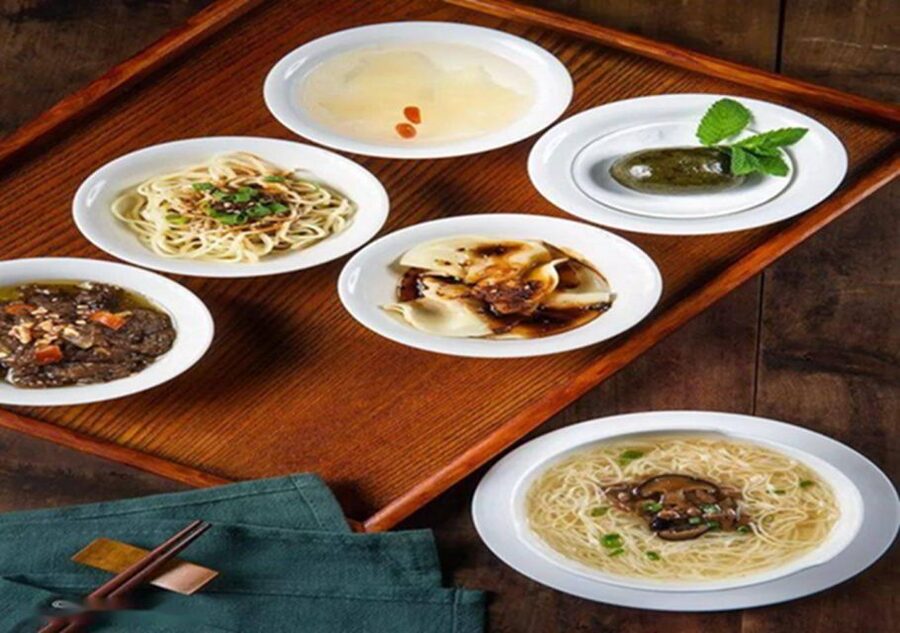
I like the private transport and the amount of English guidance. You are not left to decode a bronze mask from a tiny museum label, and a guide such as Victor Wang can give the objects a clear thread. I also like the Guanghan food stop, which adds noodles, wontons, and dumplings to a day otherwise built around cases and excavation halls.
The drawback is the long day, about 10 hours, with four hours at Sanxingdui after two hours at Jinsha. The $180 price is per person, and museum admission, lunch, and gratuity cost extra. If you prefer a slow visit to one museum, this schedule may feel packed.
Key points to know before booking
- Two major Shu sites in one day: Jinsha shows a later phase of the culture, while Sanxingdui presents its older and more mysterious ritual world.
- More than three hours of English explanation: The Sanxingdui visit is guided step by step rather than left to museum labels alone.
- A private vehicle from Chengdu: Hotel pickup and return make the distant Guanghan visit easier than arranging separate transport.
- A real Guanghan food break: Try golden slices noodles, wontons, and dumplings during the midday stop.
- Admission is extra: Budget another $20 per person for the two museum tickets, plus lunch and a tip.
- A strong choice for first-time Sanxingdui visitors: The guide helps connect the objects, dates, rituals, and unanswered questions.
Why Jinsha and Sanxingdui belong together
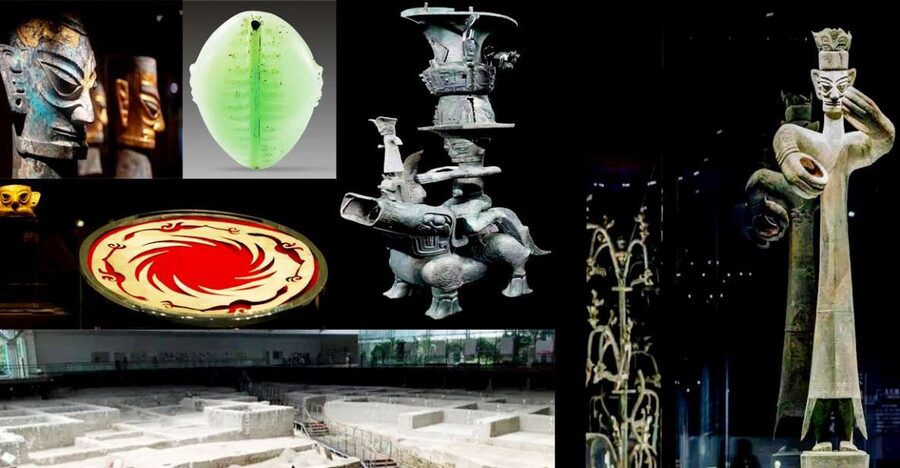
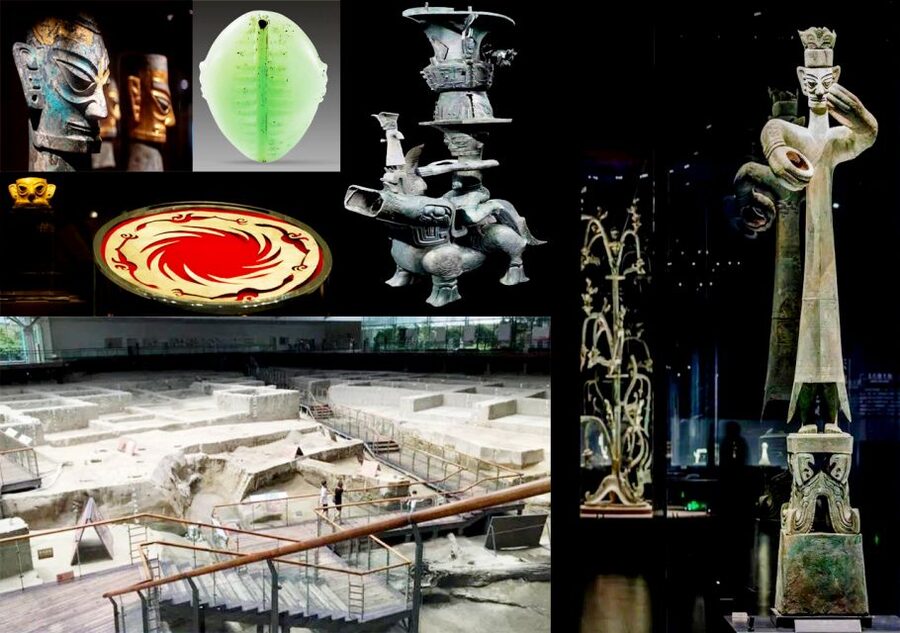
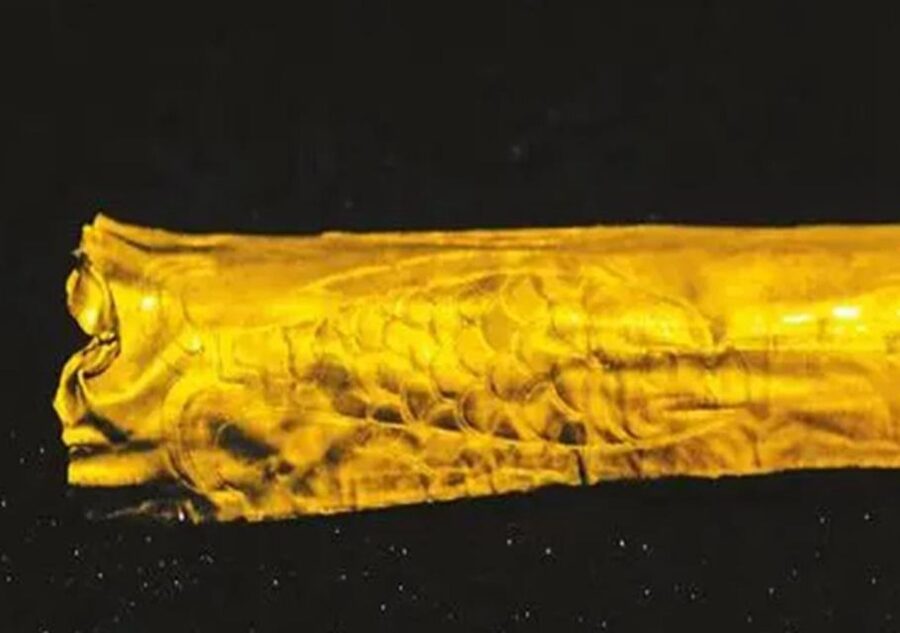
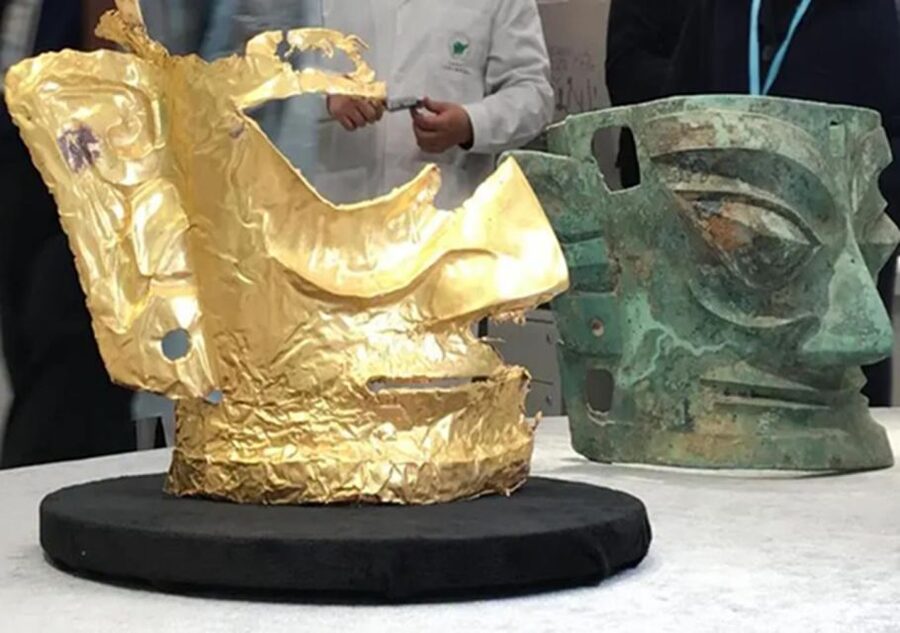
Sanxingdui is famous for its oddness. The bronze faces have oversized eyes, sharp features, and an almost otherworldly look. Gold masks, carved jade, ivory, shells used for divination, and ritual objects add to the sense that this was not a minor local settlement.
The site dates to roughly 1100 to 1000 BC and is tied to eight sacrificial pits filled with rare objects. Yet the people who made them did not leave written records in Chinese history. That gap matters. You see remarkable objects, but you also have to accept that parts of their meaning remain uncertain.
Jinsha helps fill in the next chapter. Discovered in Chengdu in 2001, the archaeological site is linked to the successors of the Sanxingdui people, who lived about 3,000 years ago. Visiting both places lets you compare an earlier center with the culture that followed it.
I find that sequence useful. Sanxingdui gives you the shock of discovery, while Jinsha gives the story a broader arc. Instead of treating the two museums as unrelated stops, the guide can explain how archaeologists connect them and why the relationship is still being studied.
A few more Chengdu days worth a look
- Chengdu: Giant Panda Breeding Research Base Ticket
★ 4.5 · 580 reviews - Half-Day Chengdu Cooking Class with a Local Market Visit
★ 5.0 · 465 reviews - Tuktuk Food Tour Through Chengdu’s Local Eats
★ 5.0 · 435 reviews
The 8:00 am Chengdu pickup
The day begins with pickup from your Chengdu hotel at 8:00 am. Your guide waits in the first-floor lobby with a paper showing your name. That simple detail is helpful in a large hotel, especially if several tour vehicles are arriving at the same time.
The tour uses private, air-conditioned transportation. You do not need to work out a separate route to two museums outside central Chengdu, and the vehicle remains part of your group’s day. Hotel pickup and return are included for Chengdu accommodations, so provide the hotel name, address, and contact details when booking.
Bring everyone’s passport or ID card. This is an easy item to overlook, but the tour information specifically requires it. You also receive one bottle of water per person and a small panda mascot souvenir.
The pickup time makes this a full day, not a casual half-day outing. You will spend the morning at Jinsha, travel to Guanghan, eat lunch, spend the afternoon at Sanxingdui, then return to central Chengdu around 6:30 pm. Plan your evening lightly.
Jinsha Site Museum from 8:00 to 10:30
The first museum visit focuses on the Jinsha archaeological site and its excavated treasures. The visit is planned for about two hours, with the morning also allowing for the transfer from your hotel and the practical start of the day.
The site is especially useful because you can see the actual archaeological excavation area. That gives the museum visit a physical anchor. You are not only looking at objects in glass cases. You are also seeing the place where evidence of this ancient culture was uncovered.
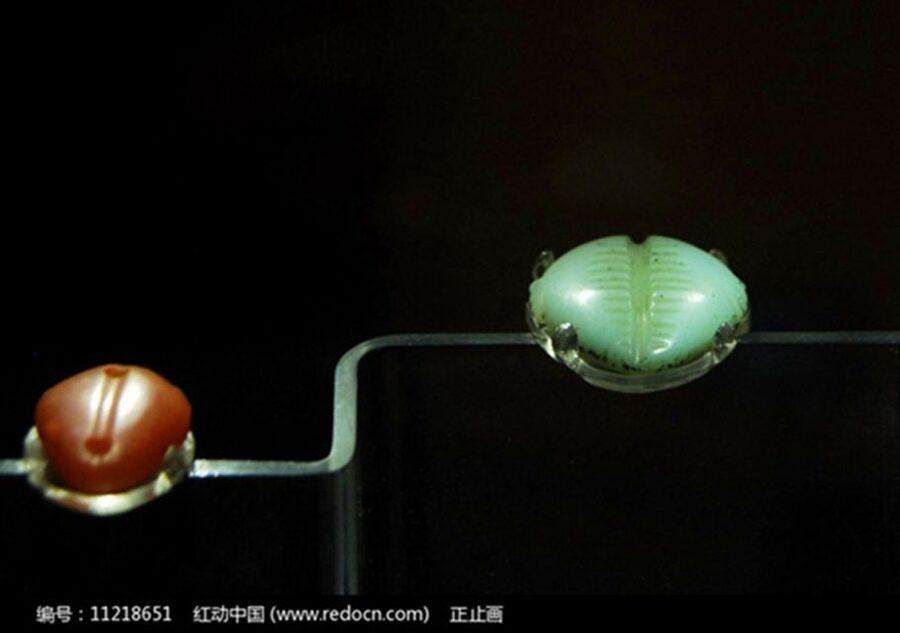
The listed objects include ivory, jade shells, shells used for divination, golden masks, golden crown lace, and the golden sun bird badge. Each item points to a different part of life and belief. Jade and gold suggest status or ritual importance. Divination shells point to attempts to read signs and make decisions. Ivory and the sun bird design show the artistic and symbolic range of the culture.
The golden sun bird badge is one of the details worth keeping in mind. Its design became an important symbol associated with Chengdu, and seeing the original archaeological object gives more meaning to the modern imagery you may notice around the city.
The two-hour visit is long enough for guided explanation, but it is not an open-ended museum morning. If one object catches your attention, you may need to keep moving with the schedule. That is the tradeoff for fitting both archaeological sites into one day.
The road to Guanghan and lunch from 10:30 to 1:00
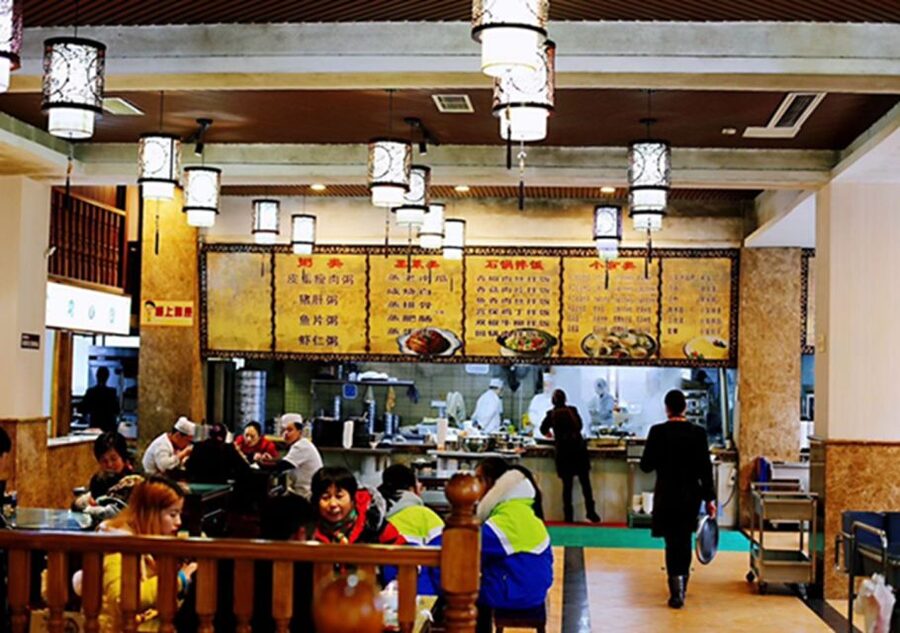
After Jinsha, the vehicle drives from Chengdu toward Guanghan. The stated driving period is about 90 minutes, followed by the local food stop. This break divides the museum visits and keeps the day from becoming four straight hours of display cases.
Lunch is not included in the tour price. The food stop is designed around local dishes such as golden slices noodles, wontons, and dumplings. The exact restaurant and final bill are not specified, so keep some money available for the meal.
I like this part because it gives you a taste of Guanghan rather than treating the city as a place you simply pass through. Food is a practical pause, but it also adds local character to an otherwise museum-heavy day.
Do not expect a long food crawl. You have about an hour for the meal, and the Sanxingdui visit begins at 1:00 pm. This is best understood as a focused local lunch, not a broad sampling of Guanghan cuisine.
Same base, a completely different kind of day out:
- Private Half-Day Chengdu Panda Breeding Center Tour with Optional Volunteer
★ 5.0 · 353 reviews - Chengdu: Sichuan Opera Shu Feng Yan Yun Evening Show Ticket
★ 4.7 · 185 reviews - Private Chengdu Day Tour: Giant Pandas and Jinsha Site Museum
★ 5.0 · 142 reviews - Visiting Dujiangyan Yaan Wolong Panda Base Optional Volunteering
★ 5.0 · 105 reviews
Four hours at Sanxingdui, from 1:00 to 5:00
The afternoon is the main event. The Sanxingdui museum visit lasts about four hours, with more than three hours of professional English interpretation highlighted for the tour. That is a substantial amount of time for a site whose objects can be hard to understand without context.
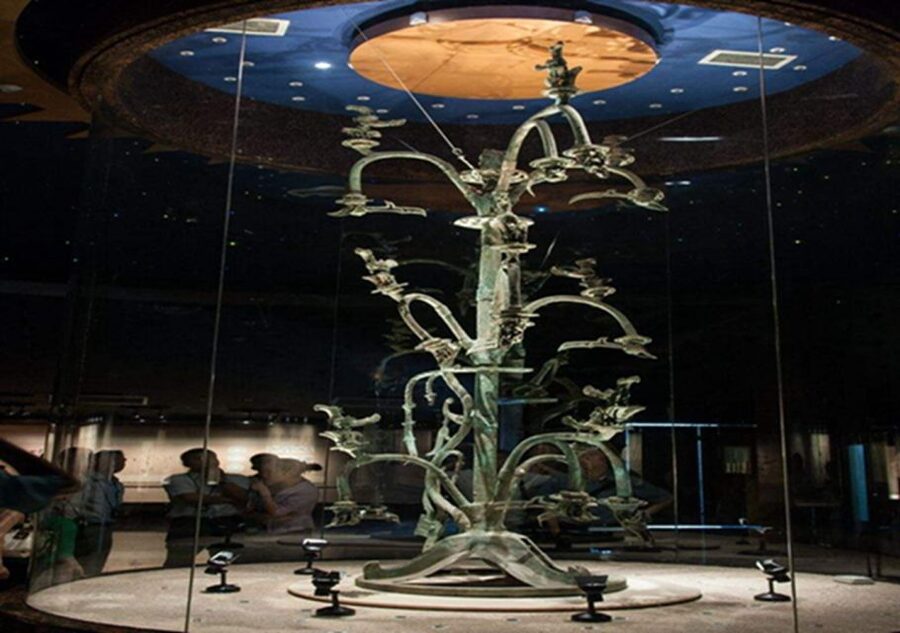
A guided route matters here. The famous bronze heads and masks are visually striking, but looking at them alone does not answer the basic questions: Who made them? Why were they placed in sacrificial pits? What can archaeologists say with confidence, and what remains uncertain?
Your guide can take you through the museum step by step, linking objects to the Bronze Age site and the ancient Shu people. The aim is not only to point out the largest bronze face. It is to help you understand how the pieces fit together.
The museum holds thousands of treasures connected with eight sacrificial pits. Gold, bronze, jade, ivory, and other objects were deliberately deposited. That makes the site different from a simple settlement excavation. The objects raise questions about ceremony, power, religion, and contact with other cultures.
Sanxingdui is sometimes called the Ninth Wonder of the World. That label is grand, but the site does not need much advertising. The visual effect is powerful enough on its own. Still, the mystery is more interesting than the nickname. The civilization was highly skilled, yet its origins and fate remain unclear because no written historical record explains it.
Four hours can sound long, but it is useful if you care about archaeology. You have time to look carefully rather than rush through the main hall. On the other hand, anyone with limited interest in ancient objects may find the afternoon demanding. This is not a quick photo stop.
The route is designed to avoid some crowding and make the objects easier to follow. Since this is a private group, the pace can be more personal than on a large coach tour, though the museum schedule still sets the basic limits.
What the private format really adds
The private format is most valuable for the explanations. At a major museum, a guide can tell you what deserves attention before you become lost among similar objects. You can also ask for clarification without waiting for a large group to catch up.
The included English guide covers both Jinsha and Sanxingdui. The material is not simple. Dates, archaeological layers, sacrificial pits, and the connection between two sites can quickly blur together. Clear interpretation gives the day a structure.
Past guide service has included Victor Wang, who was praised for being extremely enthusiastic, well informed, and organized. Guide assignments can vary, so do not assume Victor will lead every departure. Still, his name is useful when judging the level of service this tour aims to provide.
Private transportation also saves energy. You do not have to find your way from Chengdu to Jinsha, then onward to Guanghan, and back again. For a full day outside the city, that convenience has real value.
The private setup does not mean every part is flexible. The day follows an 8:00 am to 6:30 pm plan, and the two museum visits have set durations. Ask the provider about customization if you want a different balance between Jinsha, lunch, and Sanxingdui.
Price, extra costs, and overall value
The advertised price is $180 per person. It includes private air-conditioned transportation, professional English guide service, ticket booking assistance, one bottle of water, the panda souvenir, and government tax.
Museum admission is not included. Jinsha costs $10 per person and Sanxingdui costs another $10, so add $20 per person to the published price. Lunch and gratuity are also extra.
That makes the tour a better value for people who want interpretation and transport more than the lowest possible entry cost. You are paying for a private vehicle, a full day of guiding, hotel pickup and return, and a carefully connected route. A person who only wants museum entry may find it expensive.
The value improves when you consider the distance and the language support. Sanxingdui is not the sort of place where every important point is obvious from a quick look. If the English explanation helps you understand the sacrificial pits, the ancient Shu culture, and Jinsha’s later role, it can change the entire visit.
The rating attached to the experience is 4.8 from four reviews, with special praise for guide Victor Wang’s enthusiasm and organization. That is encouraging, though the sample is small. I would treat it as a positive sign, not a guarantee of a particular guide or identical experience.
Who should book this day tour
I would recommend it to you if Sanxingdui is high on your Chengdu wish list and you want more than a quick museum visit. It suits people interested in archaeology, ancient religions, bronze art, Chinese history, and unresolved historical questions.
It is also a good fit if you prefer a private group and want hotel pickup handled for you. Families or small groups may appreciate the private vehicle, the clear schedule, and the chance to ask questions in English.
Food-minded visitors get a modest bonus from the Guanghan lunch stop. The meal is not the central purpose of the tour, but golden slices noodles, wontons, and dumplings give the day a local pause.
I would think twice if you dislike long organized days or prefer to spend an entire afternoon at one museum without a fixed route. You should also compare the final cost carefully, since tickets, lunch, and gratuity are outside the $180 price.
The tour is wheelchair accessible, according to the activity information, but you should still confirm any specific mobility needs when arranging the booking. For a private group, customization may be possible if requested in advance.
Booking details worth remembering
You can cancel up to 24 hours before the tour for a full refund, and the reserve-now, pay-later option keeps your plans flexible. Check availability for the exact starting time, since the listed schedule begins at 8:00 am.
Give the provider your hotel name, address, and contact details. On the morning of the tour, look for the guide in the hotel lobby holding a paper with your name. If you cannot find the guide within five minutes, use the emergency number in your booking details.
Bring passports or ID cards for everyone in the group. That requirement applies to all participants, including children if they are joining you.
Should you book the Jinsha and Sanxingdui tour?
Book it if you want the clearest introduction to the ancient Shu sites from Chengdu. The strongest reasons are the private transport, the English interpretation, the long Sanxingdui visit, and the chance to see Jinsha before the museum crowds and route become tiring.
The tour costs more than arranging museum visits on your own, and the day is long. But the two sites make more sense together, and the guide can turn a collection of strange bronze faces and gold objects into a story you can follow.
For most first-time visitors with a serious interest in Sanxingdui, I think the added explanation is worth the price. Add the $20 in admission fees, budget for lunch and a tip, and book this one when you want both the famous objects and the archaeological ideas behind them.
FAQ
How long is the Jinsha and Sanxingdui tour?
The tour lasts about 10 hours. The planned schedule runs from 8:00 am pickup in Chengdu until approximately 6:30 pm return to your Chengdu hotel.
Does the tour include hotel pickup?
Yes. Pickup and return are included for Chengdu hotels. The guide waits in the first-floor lobby holding a paper with the client’s name.
Is the tour private?
Yes. The tour is arranged for a private group rather than a shared group.
Is an English-speaking guide included?
Yes. Professional English guide service is included for both Jinsha Site Museum and Sanxingdui. The Sanxingdui visit includes more than three hours of English interpretation.
Are museum admission tickets included?
No. Jinsha admission costs $10 per person, and Sanxingdui admission costs $10 per person. The tour provides ticket booking service, but the admission fees are extra.
Is lunch included?
No. Lunch is not included. The schedule includes a food stop in Guanghan where you can try local dishes such as golden slices noodles, wontons, and dumplings.
What should I bring?
Bring a passport or ID card for everyone in the group. You should also provide your hotel name, address, and contact information before the tour.
Can I cancel the booking?
You can cancel up to 24 hours in advance for a full refund. The reserve-now, pay-later option lets you book without paying immediately.
Newly listed around Chengdu
- Private Chengdu Highlights Day Trip: Panda Base and City from Xi’an by Train★ 5.0 · 4 reviews
- Jiuzhaigou National Park Tickets Booking★ 4.5 · 4 reviews
- Classic 3-Day Jiuzhaigou Private Tour(Transportation+Tickets)★ 5.0 · 8 reviews
- Private Chengdu Highlights Day Trip: Panda Base and City from Chongqing by Train★ 4.5 · 9 reviews
- Huanglong Scenic Spot Admission Ticket★ 4.5 · 4 reviews
- Visiting Chengdu Panda Base in a Half Day★ 5.0 · 4 reviews
- Panda, Leshan, and Emei Mountain 2-day tour★ 5.0 · 4 reviews
- Classsic sichuan Opera at sichuan Provincial Theater★ 5.0 · 4 reviews
Chengdu Tours, compared.
Half-Day Chengdu Cooking Class with a Local Market Visit
Read our review →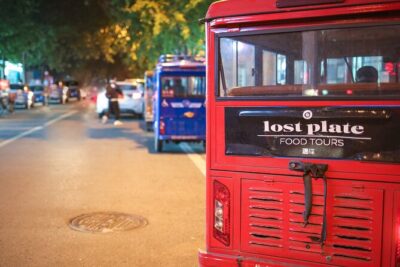

Private Half-Day Chengdu Panda Breeding Center Tour with Optional Volunteer
Read our review →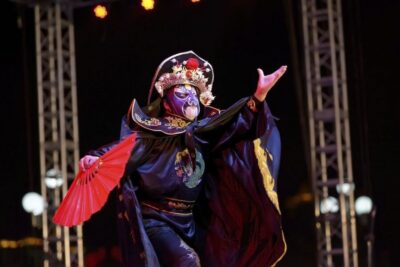
Sichuan Opera Shu Feng Yan Yun Evening Show Ticket
Read our review →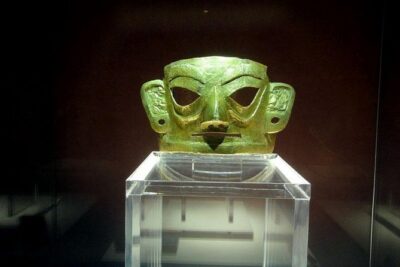
Private Chengdu Day Tour: Giant Pandas and Jinsha Site Museum
Read our review →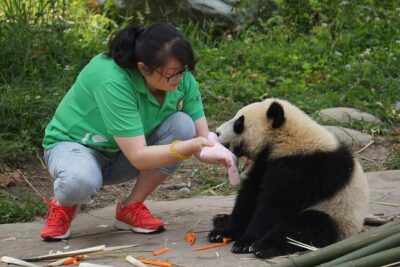
Visiting Dujiangyan Yaan Wolong Panda Base Optional Volunteering
Read our review →
Chengdu Sichuan Opera Show Ticket – Shu Feng Ya Yun
Read our review →Browse the lists this tour appears in