
Reviewed · FOOD & DRINK
Guangzhou: Food Tour – Eat Like Local + Rice Roll Workshop
Guangzhou’s best food often hides in ordinary shops, not polished dining rooms. This four-hour tour with Roger takes you from dim sum and bamboo-pressed noodles to claypot rice, beef ho fun, fishball noodles, and old-fashioned Cantonese sweets. You get a full meal’s worth of tasting while learning why local food matters.
I like the small group of up to 10 and the freedom to adjust dishes, spice levels, and restaurant choices. I also like the practical route, which starts near Caihong Bridge Metro Station and ends at Yongqing Fang, a useful area for continuing your afternoon. The main drawback is timing: the cheung fun workshop is unavailable until the end of February 2026, and this is not a suitable tour for vegans, vegetarians, or people with food allergies.
Key points to know before booking
- Start with a real dim sum breakfast: Expect BBQ pork buns, shrimp dumplings, chrysanthemum tea, and an introduction to Lingnan tea customs.
- Eat across several Cantonese food stops: The route includes at least three savory restaurants or snack shops and two traditional dessert shops.
- Try food that rewards curiosity: Bamboo-pressed noodles, claypot rice, beef ho fun, and fishball noodles offer more range than a standard dim sum outing.
- Save room for old-style sweets: Double-skin milk, ginger milk curd, rice pudding cups, black sesame paste, and sweet soups may appear according to the group’s preferences.
- Check the workshop date carefully: The cheung fun activity is paused until the end of February 2026. Until then, two more restaurant visits replace it.
- Plan to eat a lot: The tastings can equal one or two full meals, so skipping breakfast is good advice. You may even want a light dinner the night before.
Why this Guangzhou food tour feels different
Many food walks give you one famous dish, a few explanations, and a quick goodbye. This one is built around range. In four hours, you can see how Cantonese cooking moves from morning dim sum to noodles, rice, stir-fried dishes, and milk-based desserts.
I like that the food is not limited to the familiar dim sum menu. Guangzhou is famous for dim sum, but its everyday food culture is much wider. A bowl of shrimp wonton noodles, a plate of beef ho fun, or a claypot of rice with cured meat tells you as much about the city as a bamboo steamer does.
Roger also gives the tour a personal shape. You can accept his top picks, or tell him what you want to eat and what you need to avoid. That matters in Guangzhou, where menus may include unfamiliar ingredients and where one person’s ideal spice level may be too strong for another.
The group size is limited to 10 people. That is small enough for questions and food decisions without making the tour feel like a large procession through busy streets. The experience is offered in English and Chinese, with Roger providing the food background and local context.
More Craft Workshops in Guangzhou:
- Beijing: Dumpling Making Workshop with Meal and Tea
★ 4.7 · 69 reviews - Tea Tasting and Pairing Concept Workshop
★ 5.0 · 57 reviews - Water Color Class in Beijing
★ 5.0 · 25 reviews
Dim sum first, with tea and classic Cantonese flavors
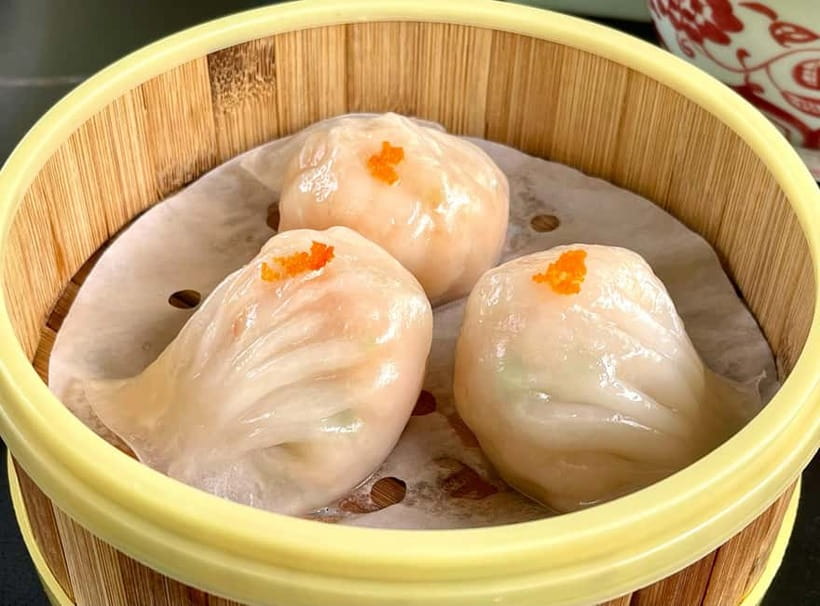
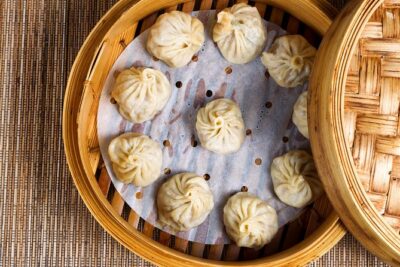
The morning begins with a traditional Guangzhou dim sum meal. This is not just a quick snack before the main event. You start with several familiar Cantonese favorites, including flaky BBQ pork buns and translucent shrimp dumplings.
The shrimp dumplings are especially useful for first-time visitors because they show the care that goes into Cantonese dim sum. The wrapper is thin and delicate, while the filling should have a clean shrimp flavor and a firm bite. BBQ pork buns give you the sweeter, richer side of the meal.
Chrysanthemum tea accompanies the food, and Roger explains some of the customs tied to Lingnan tea culture. Tea is central to the dim sum experience, not simply a drink placed on the table. You get a little help reading the meal as locals do, including why tea belongs beside the steamers and shared plates.
You should arrive hungry. The tour includes food at many stops, and the first meal can easily be enough to fill you for a while. If you eat a large breakfast before meeting the group, you may spend the rest of the tour wishing you had saved room.
Bamboo-pressed noodles and the value of watching the craft
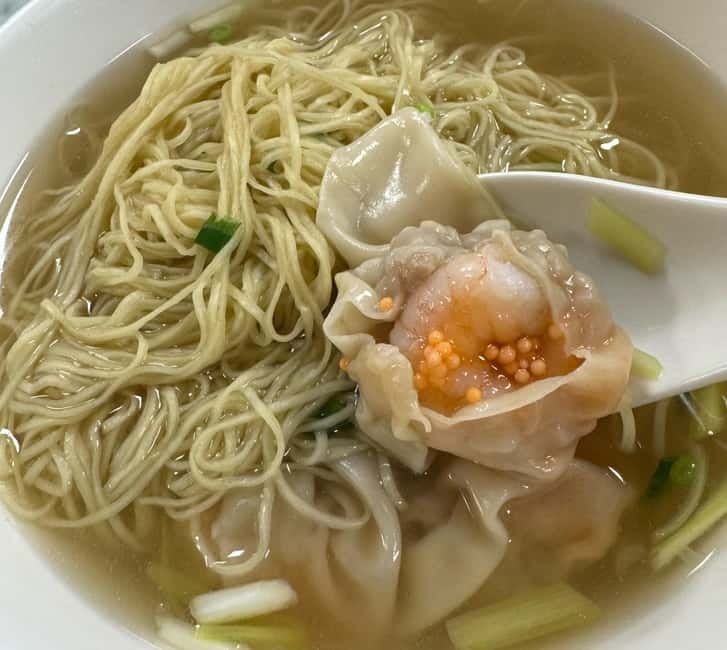
One of the more unusual food stops focuses on zhusheng noodles. These springy noodles are served in a clear broth with plump shrimp wontons, giving you a dish that is light in appearance but satisfying in texture.
The shop keeps an older method of making the dough with bamboo poles. That detail is important because it turns a bowl of noodles into a small lesson in technique. You can taste the result, but you also get a look at the physical work behind the food.
I value stops like this because they help you notice texture. Cantonese cooking often depends on freshness, clean broths, and the right amount of spring in a noodle or dumpling. When you move from soft steamed buns to firm noodles and crisp rice, the tour becomes a lesson in balance rather than simply a list of dishes.
The exact food choices may change based on your preferences and the guide’s recommendations. That flexibility is useful, but it also means your experience may not follow a fixed menu. If a particular noodle dish matters to you, mention it to Roger early.
Claypot rice in an alley setting
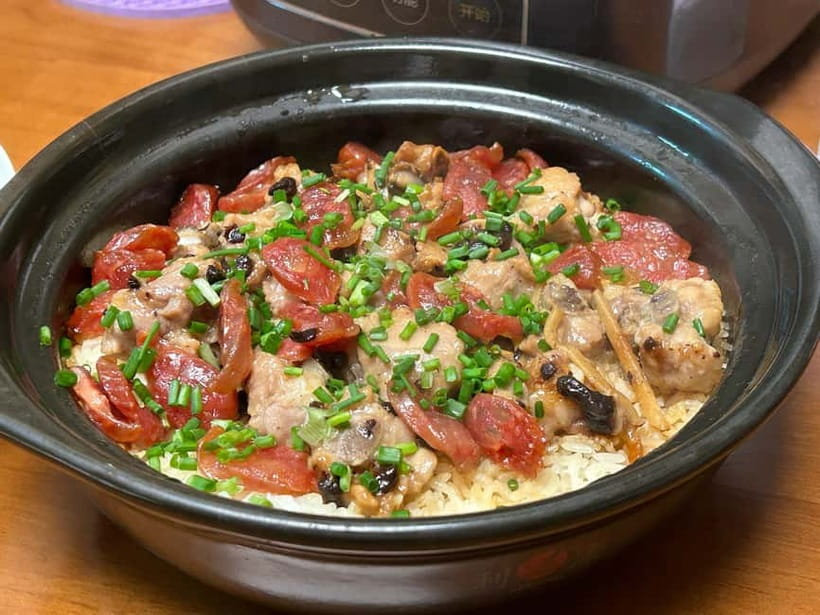
The claypot rice stop brings a different kind of comfort. Look for caramelized rice at the bottom of the pot, along with cured meats that add salt and savory flavor. That crisp layer is one of the best reasons to try the dish.
This is the kind of food that benefits from being eaten in a modest local shop. You are not paying for presentation or a long formal meal. You are trying a filling Cantonese staple in the setting where it makes practical sense: hot, direct, and built around rice.
The cured meat can make this a rich stop, especially after dim sum and noodles. I would treat it as a dish to share rather than a course to finish alone. The tour includes enough food that pacing matters.
More Food Tours in Guangzhou:
- Private Guangzhou Food Tour Michelin Restaurant&Local Food Market
★ 5.0 · 32 reviews - Guangzhou Evening Food Tour Through Local Neighborhood
★ 5.0 · 19 reviews - 5-Hour Sai Kwan Walking Tour with Unique Food Tasting
★ 5.0 · 17 reviews - Private flexible Guangzhou City Sightseeing Tour with Dim-Sum Tasting
★ 5.0 · 5 reviews
Beef ho fun, fishball noodles, and the wok-fired side of Guangzhou
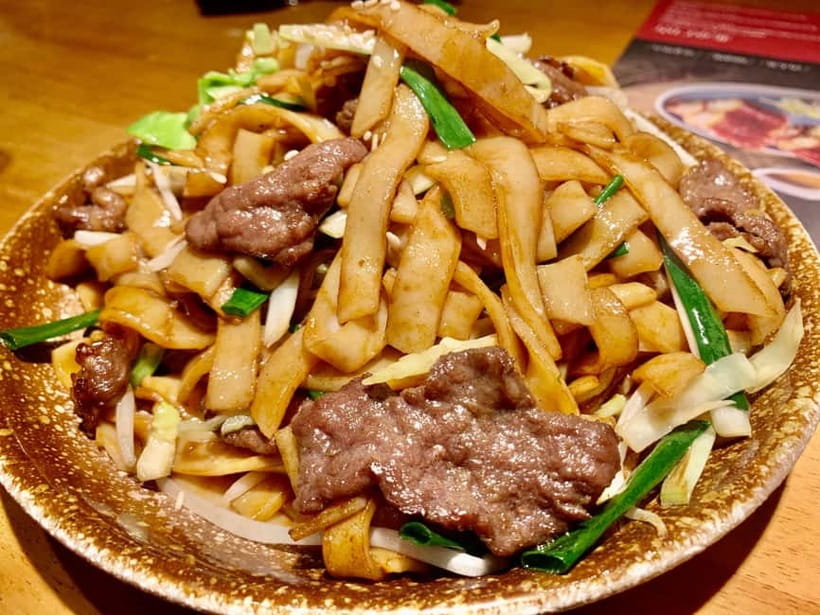
The route can also include stir-fried beef ho fun and fishball noodles. Beef ho fun uses broad rice noodles, often prized for their soft texture and the smoky flavor that comes from a hot wok. The dish shows how simple ingredients can become memorable when the heat and timing are right.
Fishball noodles offer another texture change. The fishballs should be springy, while the noodles bring a lighter, more direct bite. You may find this stop especially useful if you want to move beyond dim sum and understand what people eat at ordinary meals.
The savory portion of the tour has a practical advantage: you do not need to choose one restaurant and hope you ordered well. You get small portions and several chances to try something new. The drawback is that the pace can feel full if you are not accustomed to tasting several dishes in one morning.
Tell Roger about spice preferences at the beginning. The tour can be adjusted for spice levels and food preferences, but you should not wait until a dish is already on the table. The experience is not suitable for vegans, vegetarians, or people with food allergies, so anyone with serious dietary restrictions should choose a different activity.
Cantonese desserts are not an afterthought
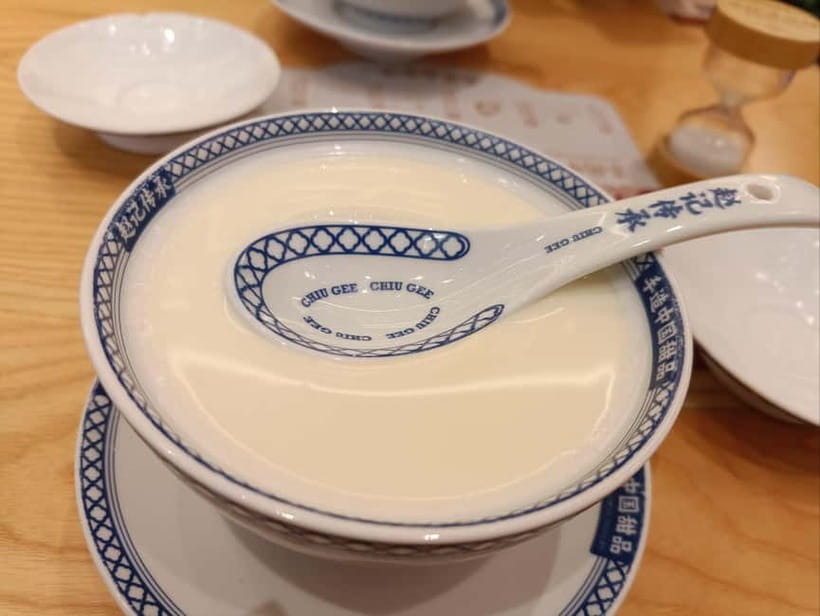
The dessert stops give the tour a softer finish. Double-skin milk is smooth and delicate, made with water buffalo milk. It has a gentle dairy flavor and a pudding-like texture, very different from a heavy Western dessert.
Ginger milk curd brings more character. The ginger gives the sweet milk a warm, sharp edge, which keeps it from tasting flat. If you like ginger, this may be one of the most distinctive dishes of the morning.
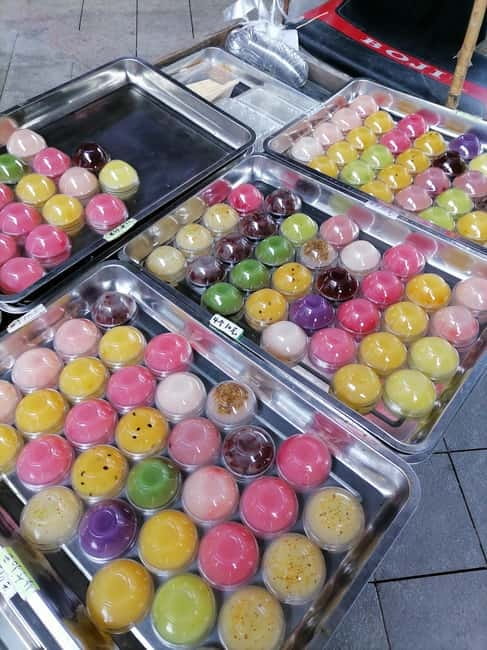
You may also try chewy rice pudding cups, black sesame paste, or classic sweet soups. These are nostalgic Cantonese foods rather than showy finale dishes. Black sesame paste has a nutty, earthy flavor, while rice pudding gives the tour another texture and a mild sweetness.
I like ending with these foods because they show that Cantonese cooking has its own dessert traditions. You are not simply finishing with fruit or a standard pastry. You are trying everyday sweets connected to local taste and memory.
The cheung fun workshop, when it is operating
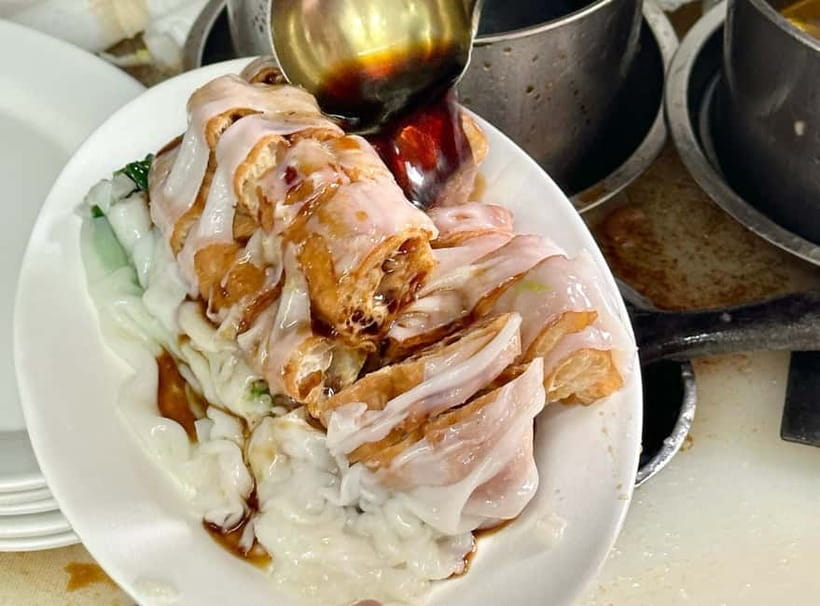
The hands-on part of the experience is the cheung fun workshop. You spread hot rice batter onto cloth or trays, add shrimp or savory beef, and fold the cooked sheet into a delicate rice noodle roll.
The appeal is obvious: you do not just taste cheung fun, you help make it. You get a better sense of how thin the rice layer needs to be and how easily the roll can tear. Once folded, you add soy sauce and eat your own creation.
This workshop is especially good for families and anyone who likes food with a practical element. Children can take part, though the hot steaming equipment requires attention and adult guidance. The activity is short, but it adds a memory that a normal restaurant stop cannot provide.
There is an important scheduling note. The workshop location is under construction, and the rice roll activity cannot be arranged until the end of February 2026. During that period, two additional restaurant visits replace the workshop. Check the current date and inclusions before booking if making cheung fun is the main reason you want this tour.
Four hours, two neighborhoods, and a useful finish
The tour begins at Entry A of Caihong Bridge Metro Station, served by Lines 8 and 11. This is a practical meeting point if you are using Guangzhou’s metro system, but you should allow enough time to find the correct station exit.
The route ends at Yongqing Fang after four hours. That makes the finish useful rather than awkward. You can walk around the area on your own, or ask Roger to guide you to a nearby metro station or help call a taxi.
The route is not presented as a sightseeing tour with major monuments. Its value is the movement between food shops and local eating places. Wear comfortable shoes, bring water, and carry a camera if you enjoy recording dishes and cooking methods.
Smoking is not allowed during the activity. Since this is a food-heavy morning, you should also avoid making tight plans immediately afterward. The final dessert may be pleasant, but you will probably want time to sit down and digest.
Is $99 a fair price?
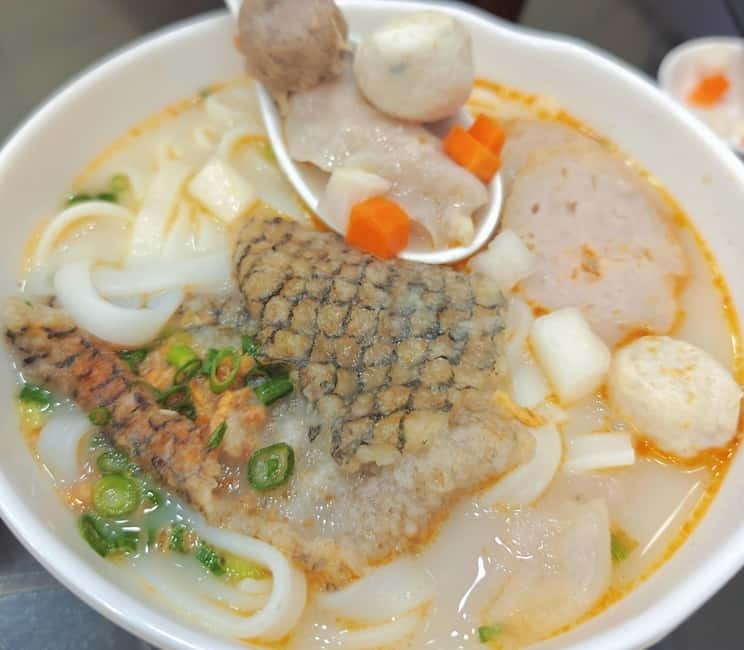
The price is $99 per person. That is not a bargain if you only want one meal, but the comparison changes when you consider the amount of food and the guide’s role.
The tour includes tastings at five or more restaurants, snack spots, or dessert shops, with enough food for one or two full meals. It also includes the cheung fun workshop materials when the workshop is operating, an English-speaking guide, and explanations of Guangzhou’s food traditions.
You are paying for access and judgment as much as for the dishes. A guide can help you choose among unfamiliar foods, manage the order of the stops, explain what you are eating, and adjust the route to your preferences. That has real value on a first visit to Guangzhou.
The price is easier to justify if you want variety and local context. It is less attractive if you prefer to eat slowly at one restaurant, have strict dietary limits, or already know Guangzhou’s food scene well. Until the workshop reopens, the extra restaurant visits still provide food value, but you are not receiving the hands-on activity advertised for the later version of the tour.
Free cancellation is available up to 24 hours before the start, and you can reserve now and pay later. Those terms help if your Guangzhou schedule is still changing.
Who should book this food tour?
I would choose this tour if you want to eat widely without spending hours planning each stop. It suits first-time visitors, families who enjoy tasting activities, and curious eaters who want more than the usual dim sum checklist.
It also works well for anyone who likes a guide who listens. Tell Roger what you enjoy, what you cannot eat, and how adventurous you feel. The tour can be shaped around those preferences, although it cannot accommodate vegans, vegetarians, or people with food allergies.
You should be comfortable eating a substantial amount in four hours. The food is the main event, and the generous pace is part of the value. If you are a light eater, you may find the final dessert stops difficult.
Should you book it?
Book this tour if you want a broad introduction to Guangzhou food, especially if you are happy to let Roger choose several local dishes for you. The strongest reasons are the range, the small group, the flexible food choices, and the chance to see techniques such as bamboo-pressed noodles and wok-fried rice noodles.
For a booking before the end of February 2026, treat it as a restaurant and dessert crawl rather than a rice roll workshop. If making cheung fun is essential, confirm that the workshop has reopened before paying.
For most omnivorous visitors who arrive hungry, $99 is reasonable for the quantity of food, several locations, and personal guidance. Just skip breakfast, wear comfortable shoes, and leave some space for dessert.
FAQ
Where does the Guangzhou food tour start?
The tour starts at Entry A of Caihong Bridge Metro Station, served by Guangzhou Metro Lines 8 and 11.
Where does the tour end?
The four-hour tour ends at Yongqing Fang. Your guide can take you toward a nearby metro station, help call a taxi, or you can continue walking around Yongqing Fang on your own.
Is the cheung fun workshop currently available?
The workshop location is under construction and cannot arrange the rice noodle roll workshop until the end of February 2026. Until then, two additional restaurant visits replace the workshop.
How much food is included?
All food and drink tastings are included. The tour visits five or more restaurants, snack spots, or dessert shops, with enough food for one or two full meals.
Can the tour accommodate dietary preferences?
You can discuss spice levels and dietary needs with Roger at the start. The tour is not suitable for vegans, vegetarians, or people with food allergies.
How large is the group, and what language is offered?
The tour is limited to 10 participants. It is offered with a live guide in English or Chinese.
Newly listed around Guangzhou
- Day Tour learning Kung Fu and Lion Dance in Bruce Lee’s Hometown★ 5.0 · 7 reviews
- Seven Star Crag and Dinghu Mountain private day tour from Guangzhou★ 5.0 · 5 reviews
- Private flexible Guangzhou City Sightseeing Tour with Dim-Sum Tasting★ 5.0 · 5 reviews
- Private Historical Tour: Guangzhou City Sightseeing Including Lunch★ 4.5 · 24 reviews
- Private Tour: Guangzhou City Sightseeing Including Yuexiu Park★ 3.5 · 3 reviews
- All Inclusive Kaiping Diaolou Heritage Private Day Trip from Guangzhou★ 5.0 · 5 reviews
- Private Guangzhou Night Tour VIP Cruise and Dim-Sum Dinner Option★ 5.0 · 4 reviews
- 4-Hour Private Tour for Layover Travellers via Guangzhou Airport★ 5.0 · 3 reviews
Food & Drink, compared.
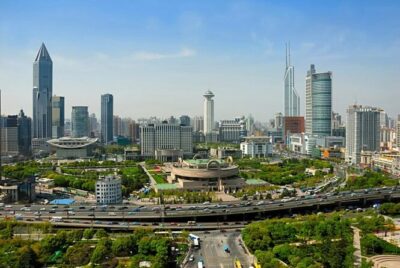
Authentic Local Food Tour in Central Shanghai
Read our review →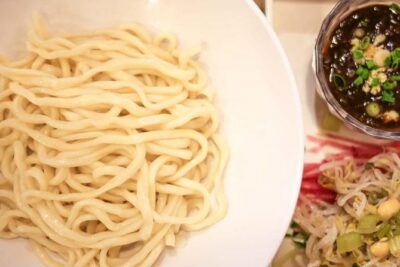
Beijing Hutong Walking Food and Beer Tour at Hidden Restaurants
Read our review →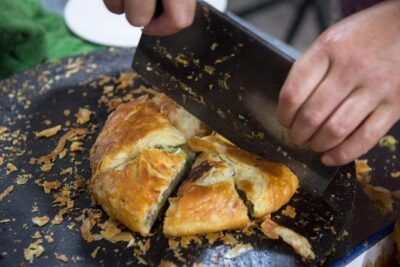
Hong Kong’s Tin Hau Hidden Eats Food Tour with 7+ Local Tastings
Read our review →
Hong Kong Food Tour: Central and Sheung Wan Districts
Read our review →Browse the lists this tour appears in