
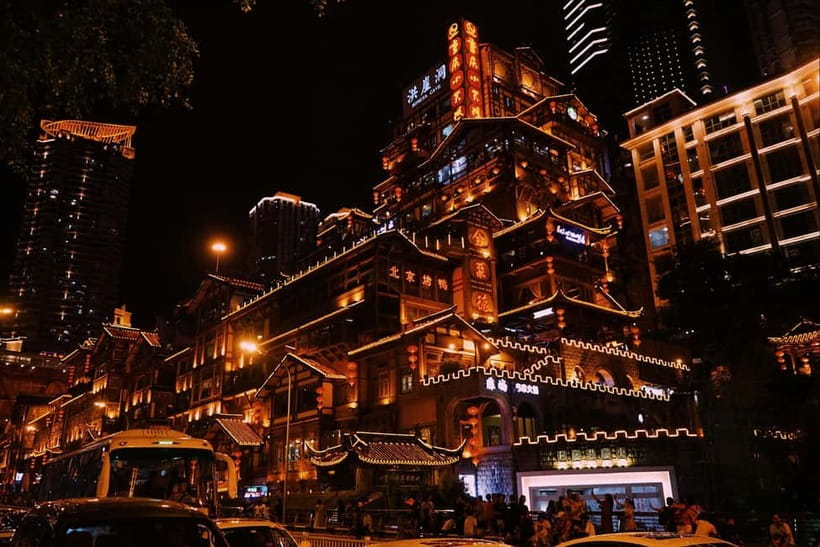
Reviewed · ANCIENT TOWN TOURS
Chongqing: Surreal Urban, Ancient Town, and Secret Viewpoint
Chongqing gets strange in the best possible way when a monorail slides through a high-rise, a tower makes you question which floor you are on, and a cable car carries you over the Yangtze. This is a full-day introduction to the city’s 8D urban puzzle, with a guide helping you connect the sights.
I like the mix of big engineering and ordinary city life. The Yangtze cableway gives you a memorable view, while Ciqikou, Longmenhao, and a local teahouse offer a closer look at how people eat, chat, and spend time. I also like the flexibility of guides such as Diego, Hao, Linxin, Flora, and Sofia, who can adjust the day to your interests.
The main drawback is the pace. Ten hours, steep streets, crowds, and several major stops can leave you tired. Traffic may also mean using taxis in congested areas, so this is not a perfectly smooth private-car sightseeing day.
Key points to know before booking
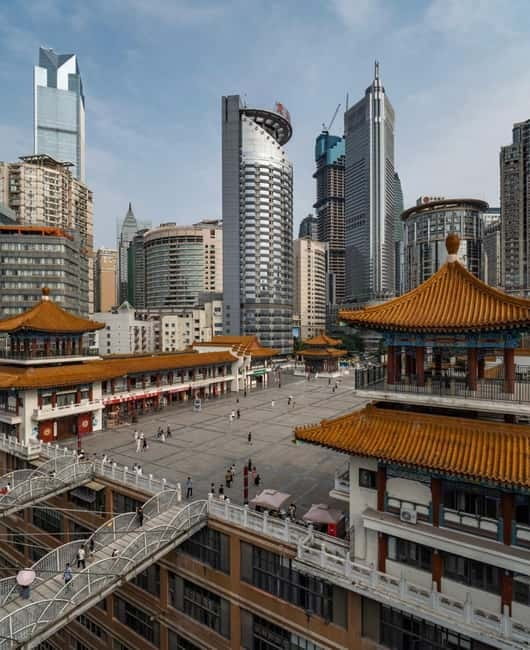
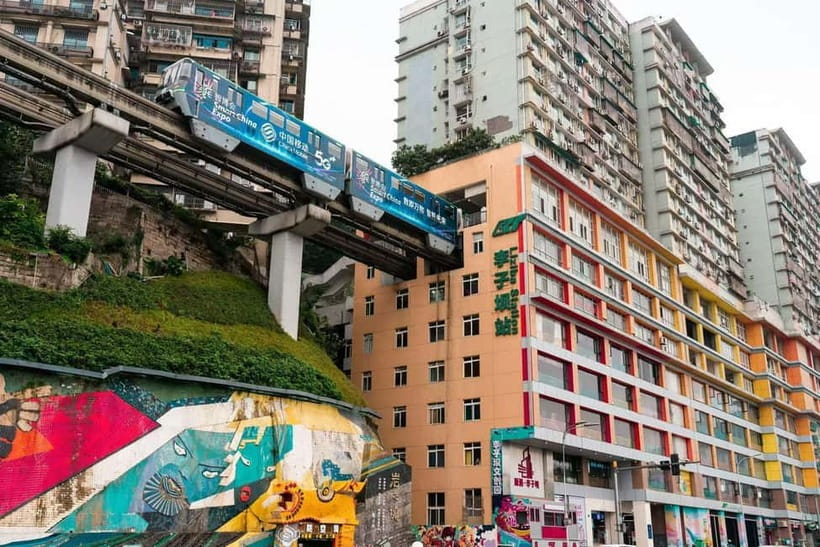
- Ride the monorail through Liziba Station: See the train pass through a residential building, then ride it yourself for a wonderfully odd city experience.
- Feel Chongqing’s 8D layout at Kuixing Tower: River views and confusing changes in elevation make this one of the most unusual stops.
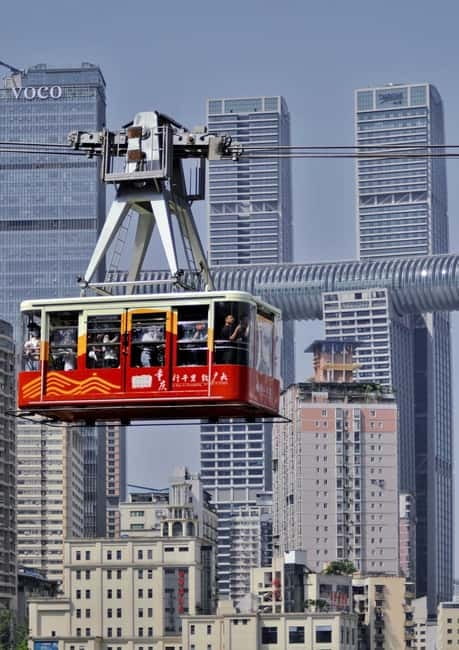
- Cross the Yangtze by cableway: The included cableway ticket gives you a high view of the river and Chongqing’s layered skyline.
- Pair Ciqikou with Longmenhao: One is a historic port town full of shops and food, while the other offers old buildings, tea, cafes, and a slower mood.
- Use the guide as your local bridge: Guides such as Sofia can help you speak with people in a teahouse, while Flora is especially attentive to quiet corners and photos.
- Expect a long walking day: Wear proper shoes, carry identification, and keep some patience for crowds and traffic.
Why Chongqing’s strange shape is the star of the day
Chongqing is not a city you understand from one flat street map. Rivers cut through it, hills rise sharply, and roads, rail lines, towers, and footpaths often occupy different levels. That is why the city has earned its 8D nickname.
This tour works because it shows that unusual shape from several angles. You look up at the Liziba monorail, look down from the Yangtze cableway, stand among older streets at Ciqikou, and then see the city explained through a giant planning model.
I would choose this experience if I had only one full day in Chongqing. It covers the city’s most recognizable sights but also leaves room for smaller encounters, including Longmenhao Old Street and a traditional teahouse. You are not simply collecting photo stops. You are getting several clues to how this mountain city functions.
The day lasts about 10 hours. Pickup and drop-off are available anywhere in Chongqing city, which saves you the trouble of finding a meeting point in a place where subway exits, street levels, and addresses can be confusing. Your pickup details are confirmed the evening before.
More Ancient Town Tours in Chongqing:
- Chongqing Food Exploration, Old Town & Magic Night Views
★ 5.0 · 3 reviews - Half-Day Bike Tour of Shanghai Old Town with Food Tasting
★ 5.0 · 306 reviews - 3-Day Yellow Mountains, Hongcun Village and Tunxi Ancient Street Private Tour
★ 5.0 · 75 reviews
Liziba Station and the monorail inside a building
Liziba is Chongqing’s most famous urban illusion. From the viewing area, you can watch a monorail train enter and pass through a residential building. The image looks impossible at first, though the railway and building were designed as part of the same structure.
The clever part of this stop is that you do not only watch from below. The itinerary also includes a ride on the monorail, letting you pass through the building yourself. That changes the stop from a quick photo opportunity into a real piece of public transport.
I would arrive ready to take photos but not expect a long, quiet viewing session. Liziba is popular, and the best angle can attract a crowd. Your guide can help you find the right position and explain what you are seeing, which is useful when the train appears, disappears, and is gone within moments.
Sofia has been especially good at turning this stop into a playful challenge, helping people find the right angle for the passing train. That kind of practical help matters here. The building is the subject, but timing and positioning make the photo.
Kuixing Tower and Chongqing’s shifting floors
Kuixing Tower offers a different kind of city surprise. This old site in Yuzhong District was once associated with prayers for academic success. Today, it is valued for its views toward the Jialing River and for the way it reveals Chongqing’s unusual levels.
You may enter at what feels like ground level, then discover that another exit opens near the upper floors of a much taller building. The exact experience is less about a single monument than about losing your normal sense of direction.
I like this stop because it explains Chongqing better than a standard skyline lookout. You see how roads, towers, and hills can occupy the same place at different heights. The setting is also quieter than the city’s headline attractions, giving you a pause between the monorail and cableway.
Bring your camera, but keep your eyes on the routes and stairs too. This is one of those places where the way you move through the site is part of the attraction. Anyone with mobility concerns should take note: the experience is not suitable for wheelchair users, and the day involves walking through uneven and steep urban areas.
Crossing the Yangtze on Chongqing’s air bus
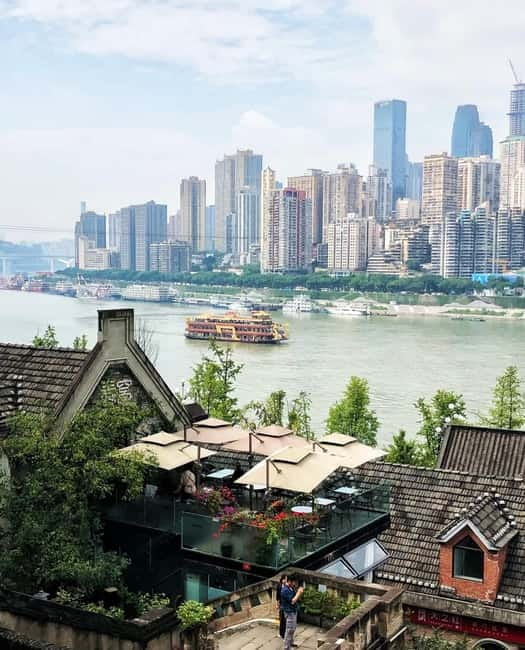
The Yangtze River Cableway is one of the day’s main events. Known locally as the city’s air bus, it carries you above the river between Chongqing’s two banks.
The view changes quickly as the cabin moves out over the water. You can see the river, mountain terrain, high-rise buildings, and the dense layers of the city from a position that roads cannot provide. It is a useful counterpoint to Liziba. There, the city’s engineering feels close and enclosed. Here, Chongqing opens out around you.
The cableway ticket is included, which strengthens the value of the $216 price. Even so, you should be prepared for crowds at this popular attraction. Your guide can help manage the visit, but no guided tour can guarantee an empty cabin or a private view.
I would keep your camera ready but avoid spending the whole crossing looking through it. The best part is the changing relationship between river and buildings. If weather or crowd levels affect visibility, the cableway remains a memorable way to move through the city, but your expectations should stay practical rather than cinematic.
A few more Chongqing days worth a look
- Chongqing Wulong National Park Private Tour
★ 5.0 · 87 reviews - Chongqing: Two Rivers Night Cruise- Yangtze & Jialing Rivers
★ 4.5 · 64 reviews - Chongqing deep explore & private car service including meals
★ 4.9 · 51 reviews - Chongqing: 1-day Essential Guided City Tour without Car
★ 5.0 · 44 reviews
Ciqikou, a former port town with plenty to taste
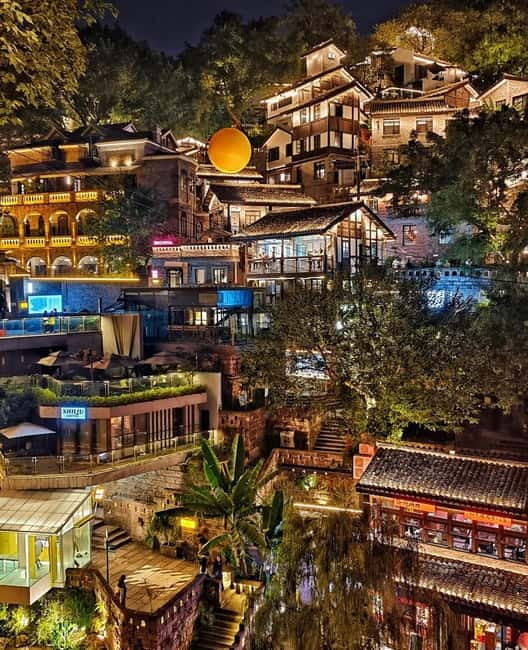
Ciqikou Ancient Town brings you back to street level. Its old lanes, traditional buildings, shops, smells, and local snacks make it a lively part of the day. The town developed as an important port, so its value is not only visual. It connects Chongqing’s older commercial life with the city you see today.
This is a good place to slow down and let your guide point out local food. Two local snacks and drinks are included during the day, while lunch is not. You receive recommendations for local dishes, so you can choose what suits your appetite rather than being locked into one restaurant.
Ciqikou can be crowded and commercial. Some lanes are aimed at shoppers, and the number of food stalls may feel overwhelming after a morning of city views. I would treat it as a place to sample, browse, and observe instead of expecting a silent historic quarter.
The best approach is to keep some flexibility. Try a snack, look at the older architecture, and watch how the town functions as a real public place. You may find your guide’s advice more useful than a fixed list of must-eat foods, since preferences and comfort levels vary.
The Urban Planning Exhibition Gallery puts the city together
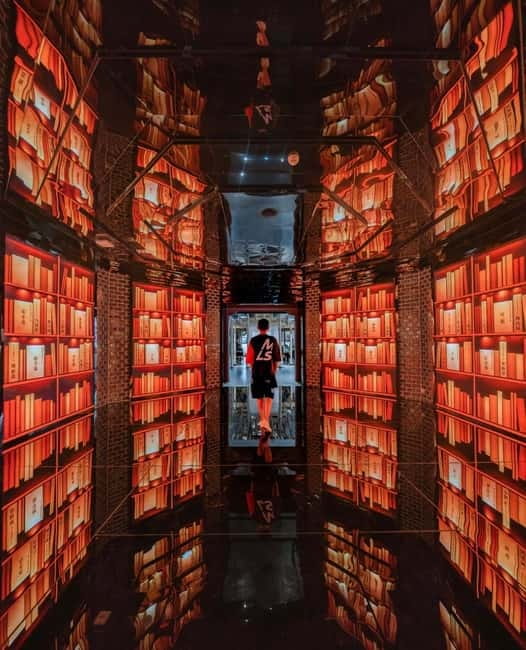
The Chongqing Urban Planning Exhibition Gallery is the tour’s clearest explanation of the city. It uses a large city model, multimedia displays, and changing exhibits to show how Chongqing grew into a mountain city shaped by rivers, hills, transport, and dense construction.
After the more theatrical stops, this museum gives you context. You can better understand why roads seem to stack above one another, why a monorail line passes through a building, and why the city’s skyline spreads vertically as well as outward.
The gallery also offers city and river views. A walk along the promenade lets you watch riverboats and compare the futuristic towers with Chongqing’s steep hillsides. I would not rush this stop. If you enjoy maps, transport systems, architecture, or city planning, it may be one of the most useful parts of the day.
The included admission is another practical plus. It gives the $216 cost more substance than a day made only of outdoor viewpoints. You are paying for transport help, a guide, access to key sights, and a structured route through a difficult city, not just a vehicle and a photo stop.
Longmenhao Old Street and the quieter side of Chongqing
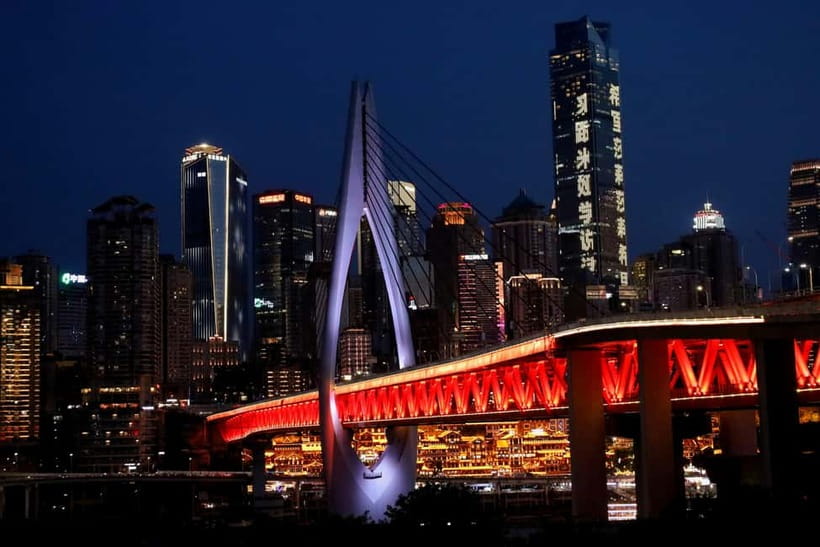
Longmenhao Old Street changes the mood again. Restored buildings, old trees, local teahouses, small cafes, independent bookstores, and artist studios create a more lived-in setting than Ciqikou.
This is where I would look for the human side of the city. A teahouse is not simply a historic decoration. It can be a place where people sit, talk, play cards, and pass time. Sofia has helped people speak with locals at Jiaotong Teahouse, making that stop especially useful if you want more than photographs.
Longmenhao also gives you a chance to slow down after the day’s major sights. You may find this part more memorable than another large viewpoint because it shows how the old city is being used now. The restored buildings are attractive, but the real appeal is the combination of history and everyday activity.
The exact amount of time here may depend on traffic, crowds, and your pace at earlier stops. That is one reason a flexible guide is valuable. If you are most interested in architecture, tea, or local conversation, say so early in the day.
Guides, languages, and the value of personal attention
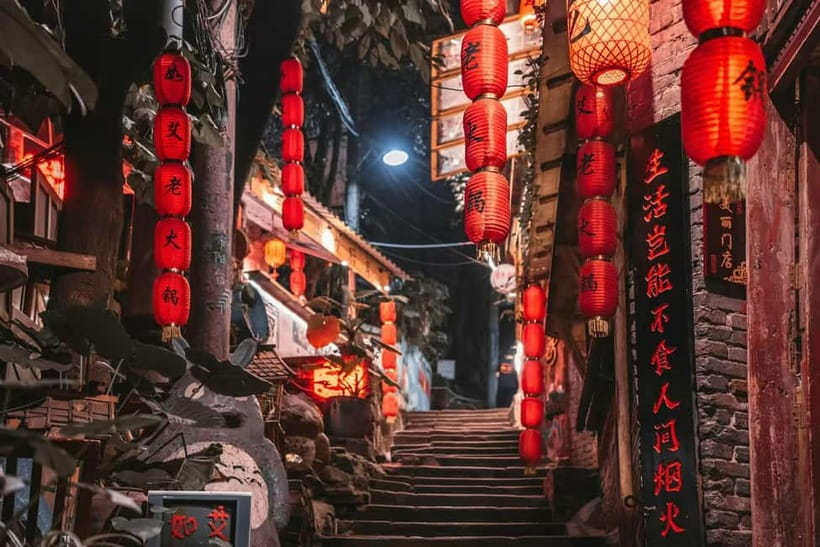
The tour is offered in English, Chinese, Spanish, Japanese, Korean, Russian, French, and Italian. That is important in Chongqing, where explanations about local customs, transport, and history can add much to the experience.
The guide names associated with this experience include Diego, Hao, Linxin, Flora, and Sofia. Diego is a strong choice for Spanish speakers who want a friendly and patient guide. Hao has taken particular care with older family members, including a 65-year-old grandmother. Linxin is attentive to personal interests and can shape conversation around the subjects you want to understand.
Flora is a good fit if crowds concern you. She has directed people toward quieter local spots and is also helpful with photographs. Sofia combines city history with local interaction, especially at Jiaotong Teahouse and Liziba Station.
I would still remember that guide assignments can vary. The important point is the range of service described by the experience: language choice, pickup in the city, and a small group capped at 12 people. A group of one to 12 is not the same as a private tour, but it is small enough for questions and some personal attention.
Is $216 a fair price for one day?
At $216 per person, this is not a low-cost independent sightseeing day. You could spend less by using Chongqing’s public transport, buying individual tickets, and arranging each stop yourself.
The value comes from the amount of coordination. Pickup and drop-off are included, the day lasts around 10 hours, the cableway and Urban Planning Gallery tickets are included, and you receive help in a city where traffic and changing street levels can waste time. You also get two local snacks and drinks, plus recommendations for lunch.
The price makes more sense for a first day in Chongqing, especially if you do not read Chinese, want a chosen language, or prefer not to solve the city’s transport puzzle alone. It is less compelling if you already know Chongqing well or enjoy building your own route.
Traffic is the main practical limitation. Certain congested areas may require taxis instead of a private car. That is not a flaw unique to this tour, but it means you should expect a flexible transport plan rather than door-to-door driving at every stop.
What to bring and how to manage the day
Wear comfortable shoes. This is essential, not a polite suggestion. You will move through old lanes, urban viewpoints, museum spaces, and riverfront areas, and Chongqing’s slopes and stairs can make a full day tiring.
Bring your passport or ID card and a camera. Keep some room in your schedule for crowds, especially at Liziba and the Yangtze cableway. A small bag is easier to manage than heavy luggage while walking and boarding transport.
Lunch is not included, so plan to follow the guide’s local food suggestions or make your preference clear. If you have dietary concerns, ask what choices are available before ordering.
The tour can suit older family members if they are comfortable walking and have support from the guide and their companions. Hao’s careful attention to a 65-year-old participant shows that the day can be adapted to some family needs, but the experience is still not suitable for wheelchair users.
Who should book this Chongqing day tour?
I would book it if you want Chongqing’s main visual surprises in one organized day: the monorail through Liziba, the strange levels at Kuixing Tower, the Yangtze cableway, Ciqikou, the planning gallery, and Longmenhao.
It is also a good match if you want a guide who can do more than recite facts. The strongest parts of the day are the moments when someone helps you find the right monorail angle, explains the city’s confusing height changes, recommends a local dish, or helps you speak with people in a teahouse.
I would skip it if you prefer a slow, single-neighborhood day or if long walks and crowds are difficult for you. You may also prefer independent travel if the $216 cost feels high compared with Chongqing’s inexpensive public transport.
For most first-time visitors with only one day, I think it is a sensible splurge. The route gives you the city’s famous oddities, but the teahouse, old streets, snacks, and flexible guides keep it from feeling like a checklist.
FAQ
How long does the Chongqing tour last?
The experience lasts approximately 10 hours.
Where does pickup and drop-off take place?
Pickup and drop-off are available anywhere in Chongqing city. Staff confirm the pickup details the evening before.
What languages are available?
The tour is available in English, Chinese, Spanish, Japanese, Korean, Russian, French, and Italian.
Is lunch included?
No. Lunch is not included, but you receive recommendations for local delicacies.
Which tickets are included?
Admission to the Yangtze River Cableway and Chongqing Urban Planning Exhibition Gallery is included.
How many people can join the tour?
The group size ranges from one to 12 people. Larger groups can ask about custom arrangements.
Is the tour suitable for wheelchair users?
No. The experience is not suitable for wheelchair users. Comfortable walking shoes are recommended, and you should expect crowds and some difficult traffic conditions.
Newly listed around Chongqing
- Yangtze River Cruise from Yichang to Chongqing Upstream in 5 Days 4 Nights★ 4.5 · 14 reviews
- 4D3N Victoria 5-star Yangtze Cruise★ 5.0 · 3 reviews
- Private Customized Tour: Chongqing City Highlights in One Day★ 5.0 · 11 reviews
- Chongqing Private Day Tour to Wulong Karst National Geology Park★ 5.0 · 7 reviews
- 2Day Wulong Karst Park+Dazu Carvings World Heritage Private Tour★ 5.0 · 4 reviews
- Private Day Tour to Ciqikou, Liziba, Jiefangbei etc. in Chongqing★ 4.5 · 5 reviews
- Chongqing Private Tour Pandas City Must See Hot Pot All in one★ 5.0 · 3 reviews
- Chongqing Wulong Exploration Private Day Tour With the Lunch★ 5.0 · 6 reviews
Ancient Town Tours, compared.
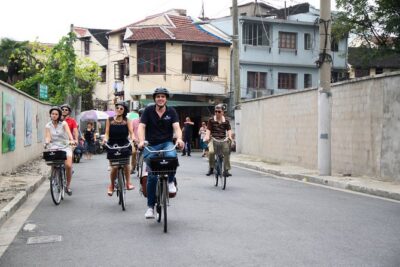
Half-Day Bike Tour of Shanghai Old Town with Food Tasting
Read our review →
3-Day Yellow Mountains, Hongcun Village and Tunxi Ancient Street Private Tour
Read our review →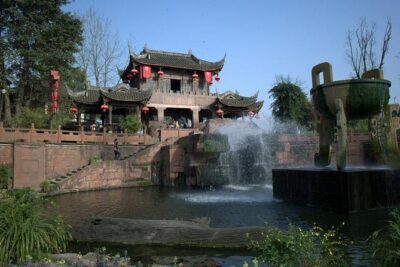
Leshan Giant Buddha and Huanglongxi Ancient Town Day Trip
Read our review →
1-Day Mt. Huangshan Tour with Optional Hongcun & Xidi Village
Read our review →
Xi’an Full Day Sightseeing Tour – Shaanxi History Museum, Big Wild Goose Pagoda, Ancient City Wall
Read our review →
3-Hour Shanghai Yu Garden &Old Town Private Tour with Tea Tasting
Read our review →
Off-beaten Route: Shanghai Old Town Discovery&Street Food Tasting
Read our review →Browse the lists this tour appears in