
Reviewed · CHONGQING TOURS
Chongqing Cyber City in 1 Day
Chongqing makes ordinary city planning feel like a practical joke. You may begin on a 22nd-floor plaza at Kuixinglou, walk toward what looks like ground level, and find yourself still high above the streets. Then a monorail shoots through an apartment building at Liziba. The city’s strange vertical design is the main event here, and this tour gives you a useful first look without wasting your day on wrong turns.
I like two things especially: the mix of famous social-media sights and local shortcuts, and the private format, which lets your guide adjust the pace. Guides including Charles, Sophie, Sisi, Tongtong, and Percy have helped visitors find photo spots, tea shops, markets, pharmacies, and even medical care when needed.
The tradeoff is simple: this is a nine-hour urban hike using stairs, escalators, metro trains, buses, and cable cars. Meals are not included, and the optional two-river cruise costs CNY 150, so you should budget for food and be ready for a long, active day.
Key points at a glance
- Kuixinglou begins the day in classic Chongqing fashion: a high-floor plaza that makes the city’s vertical geography hard to believe.
- Liziba delivers the famous monorail photo: the train passes directly through an apartment building.
- The route uses real city transport: metro, buses, escalators, cable cars, and plenty of walking.
- Local side streets give the day more depth: you see ordinary markets, back routes, and photo spots beyond the headline attractions.
- Hongyadong is best after dark: its lights and stacked buildings make a dramatic finish.
- The private guide is the real value: Charles, Sophie, Sisi, Tongtong, Percy, and others can adjust the route to your needs.
Why this nine-hour Chongqing tour works for a first day
Chongqing is not a city you understand from a flat map. Roads, towers, rivers, tunnels, bridges, escalators, and steep streets overlap in ways that can leave you unsure which level you are standing on. This tour is built around that confusion, turning it into the day’s main lesson.
You spend about nine hours, usually from 11am to 8pm, moving through central Chongqing with a private guide. The route uses public transport rather than a private vehicle, which matters here. You get a better feel for how residents actually move around, and you avoid spending the entire day inside a car on crowded roads.
I would choose this for a first visit when you have only one full day. It does not try to explain every corner of Chongqing. Instead, it links the city’s most recognizable sights with small streets and local stops that are difficult to locate on your own.
The format also suits solo visitors and small private groups. A guide can slow down for photos, adjust the route, recommend food, or make a practical change when your plans shift. That flexibility helped one visitor reach a tea house for local tea, while another received assistance finding medical care after an accident.
More City Tours in Chongqing
- Chongqing: 1-day Essential Guided City Tour without Car
★ 5.0 · 44 reviews - Chongqing private luxury city tour: Must-sees All in One
★ 5.0 · 39 reviews - Chongqing Private City Tour: Must-Sees All-in-One
★ 5.0 · 14 reviews
Kuixinglou and the city’s upside-down geography
Kuixinglou is a strong place to begin because it immediately shows you why Chongqing feels unlike other Chinese cities. The tour takes you to a plaza on the 22nd floor, where the surrounding streets and buildings make it seem as if the ground floor is somewhere far below.
This is more than a photo stop. It gives you a quick lesson in Chongqing’s stacked urban design. A building entrance that looks like street level may connect to a much higher road, while another entrance opens onto a different floor entirely. Your guide can help you understand what you are seeing instead of leaving you with a strange photograph and no context.
Bring comfortable shoes and expect to walk from the start. Kuixinglou is not a gentle introduction if you want a quiet morning with little movement. It is useful precisely because it gets you thinking in three dimensions before the rest of the day begins.
The 22nd-floor plaza is also one of the better places to take pictures that explain Chongqing. You are not just photographing a skyline. You are showing how roads, towers, and public spaces can occupy different heights at once.
Liziba and the monorail through the apartment
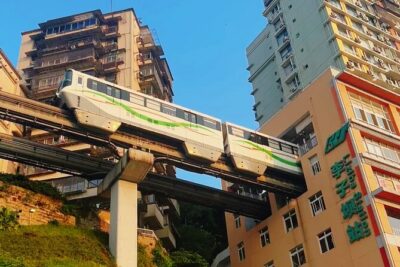
At Liziba, the famous view is wonderfully direct: a monorail passes through an apartment building. It is the kind of sight that looks edited on a phone screen, so seeing it in person helps you understand that the train, station, and residential building really do share the same vertical space.
Your guide handles the route to the viewing area and helps time the visit around the passing train. The stop is likely to be busy with people taking pictures, so having someone who knows where to stand is useful. This is one of the day’s most obvious photo moments, but it also raises practical questions about how Chongqing fits transport into dense neighborhoods.
The drawback is that Liziba can feel brief compared with the time spent getting there. You watch the train pass, take photographs, and move on. That is not a problem if you see it as one piece of a larger day, but you should not expect a long museum visit or a detailed interior tour.
I like the balance here. Kuixinglou shows you the city’s vertical construction from a plaza, while Liziba shows how that vertical thinking affects daily transport. Together, they make the city’s oddest features easier to grasp.
Escalators, cable cars, and public transport
The middle of the tour is active and varied. You use the metro, buses, escalators, and cable cars, with fares for the included transport covered as part of the experience. The point is not simply to collect rides. Each one shows a different way Chongqing connects levels, districts, and riverbanks.
The tour includes a ride on Asia’s second-longest escalator. The wording sounds grand, but the practical benefit is clear: the escalator saves your legs on a steep section and gives you a very Chongqing-style transit experience. You are not just looking at an attraction behind a barrier. You are using infrastructure that helps people get around.
The cable car offers a different view and crosses the river. You must bring your passport because it is required for ticketing. That is an easy detail to miss, and forgetting it could interrupt the route.
This transport-heavy plan also explains why the tour feels like an urban hike. You may walk between stations, climb or descend through unusual routes, wait for transport, and change levels several times. I would not book it if you want a slow sightseeing day with frequent seated breaks.
The private arrangement helps here. Guides such as Sophie, Sisi, Charles, and Tongtong have been praised for keeping complicated movement manageable. One guide used local shortcuts to fit more sights into the day, while another adjusted the pace to suit the group. That local route knowledge is worth more in Chongqing than a long list of historical dates.
Same base, a completely different kind of day out:
- Chongqing Wulong National Park Private Tour
★ 5.0 · 87 reviews - Chongqing: Two Rivers Night Cruise- Yangtze & Jialing Rivers
★ 4.5 · 64 reviews - Chongqing deep explore & private car service including meals
★ 4.9 · 51 reviews - Chongqing: Magic Night View and Secret Viewing Spots Tour
★ 5.0 · 27 reviews
Side streets, markets, and local stops
The tour does not stay only at the city’s famous photo points. Your guide leads you through alleys, back routes, and less polished parts of central Chongqing. One part of the experience can include a quick look at an ordinary market, which gives you a more useful sense of daily life than a parade of landmark photographs.
This is where the private format earns its keep. You can tell your guide what interests you. You might ask for a tea shop, a market, extra photography time, or food advice. A tea stop was added for a visitor who wanted to buy good local tea, and the guide helped make that request fit into the day.
I would use this time to ask direct questions. Ask which neighborhoods have changed fastest, what local dishes are worth trying, and where people eat when they are not choosing a famous tourist restaurant. The included food help is advice and recommendations, not meals, so you still pay for anything you order.
The streets may be more rewarding than the headline sights if you want a sense of place. They also make the day less predictable. You are not moving through a fixed museum route, and the exact lesser-known stops can change with your interests, timing, and local conditions.
Chongqing food advice without included meals
Food is part of the plan, but it is not included in the price. Your guide recommends authentic Chongqing places based on your tastes, which is more useful than being sent to one fixed restaurant that may not suit you.
You can ask for local specialties, milder choices, or something quick between transport connections. The supplied information does not promise a set tasting menu, so you should treat the food portion as personal guidance rather than a formal food tour.
I like this arrangement for a private day because it keeps the schedule flexible. You can eat when you are hungry instead of waiting for a group meal. The downside is that the final cost depends on what and where you order, so include a meal budget when comparing the $113 tour price.
A guide may also help with practical needs. When one visitor’s friend was coughing, Sisi spoke with a pharmacist to help find suitable medication. That is not a guaranteed service, but it shows the kind of useful local assistance a private guide can provide when a simple travel problem appears.
Hongyadong after dark
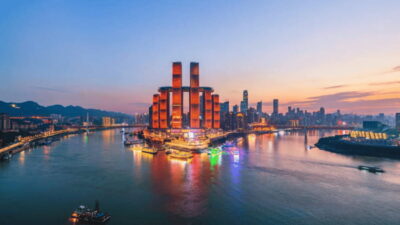
Hongyadong is the evening payoff. As the light fades, the stacked buildings and illuminated walkways create the glowing maze seen in many Chongqing photographs. This is the point when the day’s earlier lessons about height and levels come together.
You may find it hard to tell which floor you are on, where the road enters the complex, or how to reach the best view. That confusion is part of the attraction, but a guide makes it easier to enjoy. You can concentrate on the lights and river views instead of spending the last hour trying to find an exit.
Hongyadong is also the most crowded-feeling stop on the route. It is popular for good reason, but you should expect a much more obvious tourist setting than the local alleys and markets visited earlier. I prefer seeing it late in the day because the lights give it a clear purpose, and the quieter parts of the tour come first.
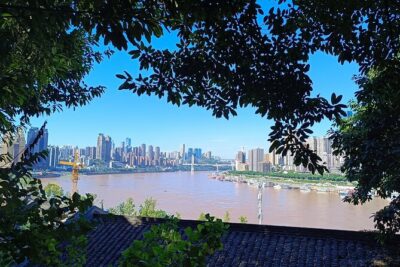
If the timing works and you choose the extra option, you can finish with a night cruise on the Yangtze and Jialing rivers. The cruise costs CNY 150 and is not included. It adds a slower, seated view after a day on foot, with the city lights seen from the water rather than from another elevated walkway.
What the $113 price really covers
At $113 per person, this is not a budget self-guided sightseeing day. You are paying for a private guide, route planning, local navigation, included metro, bus, and escalator transport, and the ability to adjust the schedule around your interests.
That value is strongest if you have limited time or feel uneasy navigating a complicated city in English. Chongqing rewards exploration, but its levels and transport links can consume much of a first day if you are constantly checking maps. A guide can connect Kuixinglou, Liziba, the escalator, cable car, side streets, and Hongyadong without making you solve every transfer yourself.
The value is weaker if you enjoy building your own route and already know the city’s transport system. You also need to add meals and the CNY 150 cruise if you want it. The price does not cover a private vehicle, so this is a public-transport experience by design.
A current rating of 4.9 from 24 reviews reflects strong satisfaction, with repeated praise for flexible pacing, friendly guides, local shortcuts, photography help, and practical assistance. Specific guides receive warm mention: Charles for his history knowledge and relaxed company, Sophie for organizing a full day, Tongtong for his cheerful approach, Sisi for adapting the route, and Percy for staying with an injured visitor long after the scheduled finish.
Who should book this day
I would recommend it to a first-time visitor with one day in Chongqing, especially if you want the famous sights but do not want to spend your entire visit in a standard sightseeing loop. It also suits solo visitors who want help with photos, transport, and communication.
You should be comfortable walking for much of the day. The route includes public transport, escalators, cable cars, alleys, and vertical changes, so it is not designed as a relaxed, low-effort outing. The supplied information does not give specific accessibility details, so ask about your needs before booking.
It is also a good choice if you want a guide who can do more than recite information. The strongest part of the experience is the human help: finding a pharmacy, suggesting tea, locating a market, taking photographs, translating when needed, or changing the order of stops.
If your priority is a formal food tour, a private vehicle, or a quiet historical program, this may not be the right fit. The day is modern, physical, photo-friendly, and built around seeing a lot in a short time.
My verdict on Chongqing Cyber City in 1 Day
Book this tour if you want Chongqing’s most surprising sights plus a taste of how the city actually works. The combination of Kuixinglou, Liziba, the escalator, cable car, local streets, and Hongyadong gives you a strong first-day overview without pretending the city can be understood from a single postcard.
Go in with sensible expectations. You will walk a lot, buy your own meals, carry your passport for the cable car, and pay extra for the river cruise. But if you have limited time, the private guide and flexible route can save you hours and make this wonderfully confusing city much easier to enjoy.
FAQ
How long does the Chongqing Cyber City tour last?
The experience lasts about nine hours and usually runs from approximately 11am to 8pm.
What sights are included?
The route includes Kuixinglou, Liziba, Hongyadong, local alleys, lesser-known photo spots, public transport experiences, and views connected with Chongqing’s vertical city design.
Is the river cruise included?
No. The optional night cruise on the Yangtze and Jialing rivers costs CNY 150.
Are meals included?
No. Meals are not included, but your guide can recommend Chongqing food places suited to your tastes.
What languages can the guide speak?
Live guiding is available in English, Russian, and French.
Do I need to bring my passport?
Yes. Bring your passport because it is required for cable car ticketing.
Can the itinerary be customized?
Yes. Customizations are available, and the private format allows you to discuss specific requests with the provider before or during the tour.
More 1-Day Tours in Chongqing
- Lantau Island Day Trip – Big Buddha & Tai O
★ 4.5 · 1,328 reviews - Suzhou and Zhouzhuang Water Village Day Trip from Shanghai
★ 4.0 · 426 reviews - Suzhou Private Day Trip from Shanghai with Bullet Train Option
★ 5.0 · 366 reviews - Private Suzhou Day Trip from Shanghai by Bullet Train with All Inclusive Option
★ 5.0 · 283 reviews
Newly listed around Chongqing
- Chongqing: 520m-high Eye Skyview Deck Ticket for Adult★ 3.9 · 19 reviews
- Chongqing Private City Tour: Must-Sees All-in-One★ 5.0 · 14 reviews
- TianSheng Three Bridges + Longshui Gorge/Fairy Mountain★ 4.9 · 22 reviews
- Chongqing: Magic Night View and Secret Viewing Spots Tour★ 5.0 · 27 reviews
- All-In-One Chongqing Trendy Spots Private Tour★ 5.0 · 26 reviews
- Chongqing Wulong: All inclusive luxury private trip to 2 spots★ 5.0 · 26 reviews
- Chongqing private luxury city tour: Must-sees All in One★ 5.0 · 39 reviews
- Dazu Ancient Rock Carvings Private Tour Extension★ 5.0 · 24 reviews
Chongqing Tours, compared.

Two Rivers Night Cruise- Yangtze & Jialing Rivers
Read our review →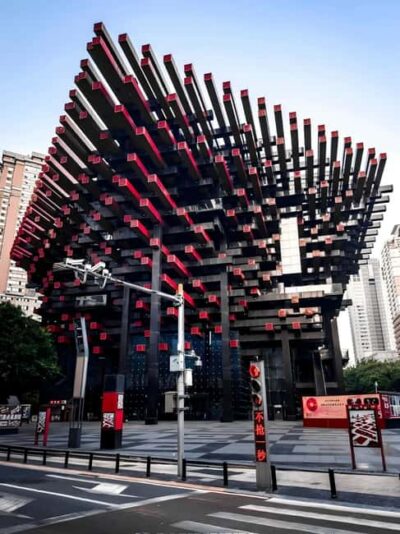
Chongqing deep explore & private car service including meals
Read our review →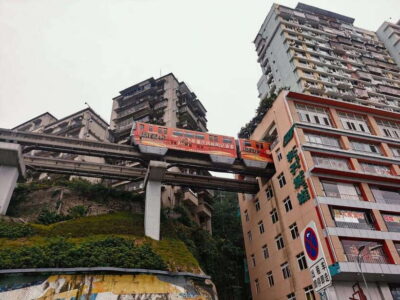
Chongqing private luxury city tour: Must-sees All in One
Read our review →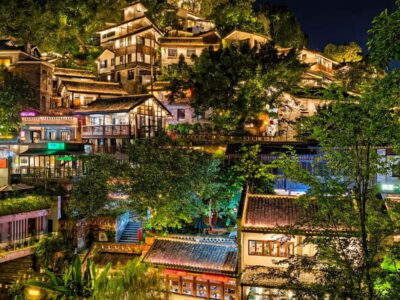
Chongqing Wulong: All inclusive luxury private trip to 2 spots
Read our review →Browse the lists this tour appears in