Reviewed · BEIJING TOURS
8-Day Small-Group China Tour to Beijing, Xi’an and Shanghai
China in eight days means moving fast, but this tour makes a strong case for the sprint. You’ll see the imperial heart of Beijing, the Terracotta Army in Xi’an, and Shanghai’s old-meets-new skyline without having to arrange trains, hotels, local guides, and site tickets yourself.
I especially like the small maximum group of 18 and the no-shopping-detour policy. I also like the thoughtful mix of major sights and local moments, from a Beijing hutong rickshaw ride to lunch in Xi’an’s Muslim Quarter. The tradeoff is a packed schedule, with several long sightseeing days and limited free time.
Key points at a glance
- Mutianyu Great Wall: Round-trip cable car service is arranged, making this famous wall section easier to reach and less tiring.
- Three landmark cities: Beijing, Xi’an, and Shanghai each show a different side of China, from imperial courts to a modern financial center.
- Small-group format: The group is capped at 18 people, with guides and air-conditioned vehicles handling the daily logistics.
- Strong guide support: Emily, Candy in Beijing, and Tracy in Xi’an are among the guides singled out for prompt help and personal care.
- Included value: Hotels, entrance fees, domestic transport, seven breakfasts, three lunches, dinner, and bottled water are covered.
- Fast pace: You’ll cover a lot, but this is not a slow, stay-put holiday.
Why this China route works in eight days
The tour is built around China’s biggest first-time sights. Beijing gives you the imperial capital, Xi’an supplies the ancient military spectacle, and Shanghai finishes with gardens, colonial buildings, museums, and skyscrapers.
That three-city structure is the tour’s main strength. You do not spend eight days looking at one narrow slice of the country. Instead, you get a useful introduction to three very different urban centers.
The cost is $1,619 per person, based on twin sharing. That is a solid package value once you count the hotels, guides, drivers, entrance tickets, the Beijing to Xi’an high-speed train, the Xi’an to Shanghai flight, seven breakfasts, three lunches, dinner, and two bottles of water per person each day.
You still need to budget for international flights, a China visa, tips, personal purchases, and the final airport transfer in Shanghai. A single guest must pay a compulsory single-room supplement, so solo pricing will be higher.
The strongest practical advantage is having someone coordinate the complicated pieces. Beijing, Xi’an, and Shanghai are large cities, and the major sights are spread far apart. You can focus on the experience instead of sorting out every ticket and transfer.
A few more Beijing days worth a look
- From Beijing: Mutianyu Great Wall Tours with Options
★ 4.9 · 9,216 reviews - Beijing: Forbidden City Tour(Group/Private)-Tickets Included
★ 4.8 · 7,974 reviews - Beijing: T-Square & Forbidden City Group or Private Tour
★ 4.8 · 4,446 reviews
Day 1: A simple Beijing arrival
Your guide meets you at Beijing Capital International Airport after you collect your luggage and clear customs. A driver takes you to the hotel and helps with check-in.
The listed airport welcome takes about 30 minutes, but your total arrival time will depend on immigration, baggage, and traffic. The stated start time is 8:00 p.m., so check your flight details carefully before booking.
This first night is deliberately easy. There is no sightseeing squeezed into the arrival day, which is sensible after an international flight. You will want to save your energy for the next morning.
Day 2: Tiananmen Square, the Forbidden City, and the Temple of Heaven
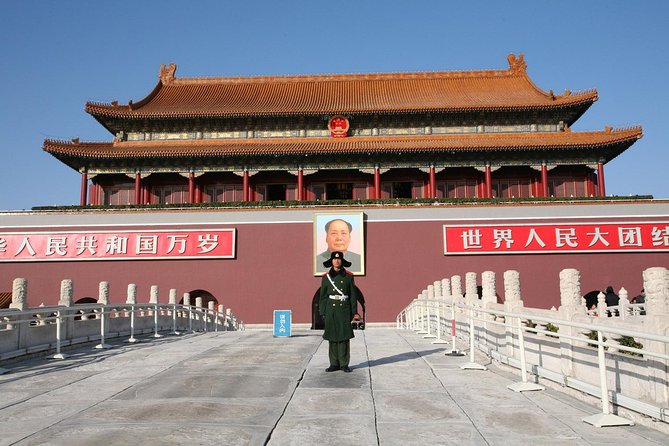
The morning begins at Tiananmen Square, one of the world’s largest urban squares. The stop is short, around 30 minutes, so expect an orientation and a chance to take in the enormous open space rather than a long visit.
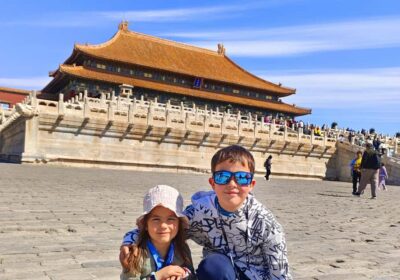
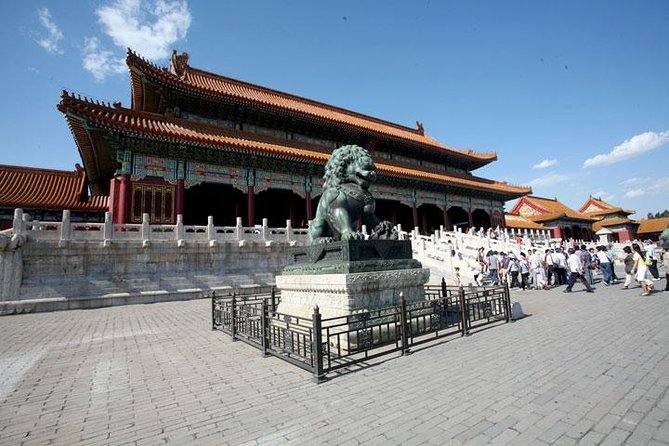
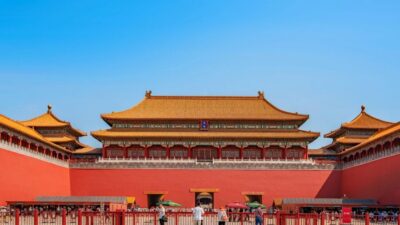
From there, you enter the Palace Museum, better known as the Forbidden City. Three hours gives you enough time to see major courtyards, halls, and pavilions while learning how the imperial court worked. This is the day’s main event, and the guide’s explanations matter because the scale can otherwise become a blur of gates and red walls.
Wear comfortable shoes. The Forbidden City involves plenty of walking, and large crowds can make the route feel slower than the schedule suggests. The tour handles the entrance ticket, which saves you one more major piece of planning.
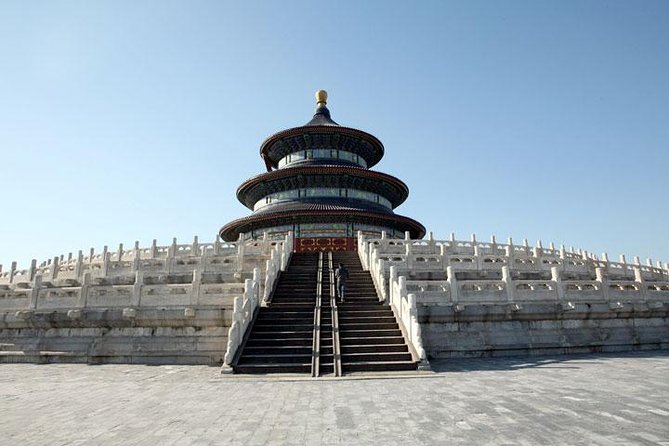
The Temple of Heaven follows, with about 90 minutes on site. Its design is different from the Forbidden City. This was a sacred complex where emperors prayed for good harvests, so the visit gives you a clearer sense of imperial ritual and religious life.
The evening ends with a one-hour acrobatic show at the Red Theater. It is a good change of pace after palaces and formal courtyards. The show is included, so you do not have to decide at the end of a long day whether to spend more money on evening entertainment.
Day 3: Mutianyu and Beijing’s old lanes
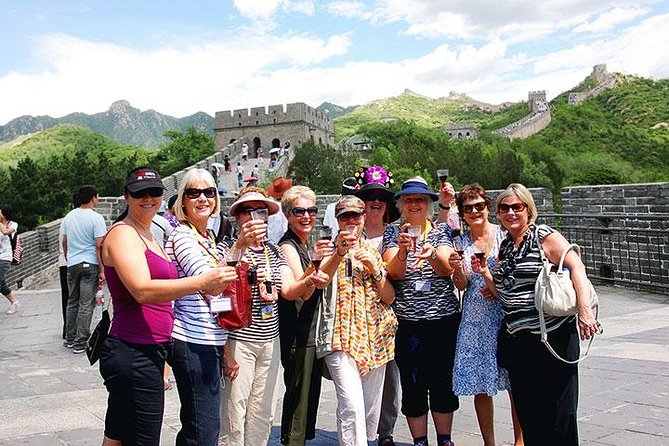
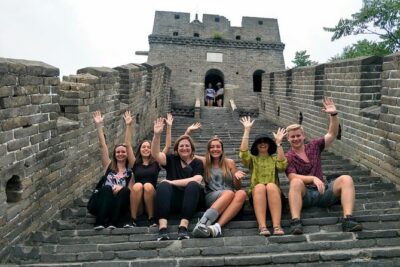
Mutianyu is one of the tour’s biggest highlights. You get about three hours at the Great Wall, with the round-trip cable car arranged. That matters because the wall is reached by a steep approach, and the cable car reduces some of the physical strain.
Once on the wall, you can look across the ridges and follow the fortified route as it rises and falls. The visit is active, even with the cable car, since walking on the wall includes stairs and uneven surfaces. The tour is not suitable for wheelchair users, and anyone with limited mobility should take this stop seriously.
The return drive includes a brief photo stop at Beijing’s National Stadium, the Bird’s Nest. Ten minutes is enough for a picture from outside, but this is not a stadium tour. Think of it as a quick look at one of Beijing’s best-known modern buildings.
The afternoon hutong tour gives the day a more human scale. You ride through old alleyways by rickshaw and visit a local family. This is one of the more appealing parts of the schedule because it shifts attention from monumental sites to the older residential fabric of Beijing.
The hutong stop is brief, about an hour, so you will not get a long wandering session. Still, it gives you a useful contrast: imperial Beijing in the morning, everyday neighborhood life in the afternoon.
Same base, a completely different kind of day out:
- Beijing: Mutianyu Great Wall Daily Tour with Ticket & Lunch
★ 5.0 · 3,056 reviews - All-Inclusive Tour: Tiananmen Square, Forbidden City, Great Wall
★ 5.0 · 2,873 reviews - MuBus: Mutianyu Great Wall ENG/ESP/RUS Guided Bus Tour
★ 5.0 · 2,361 reviews - 4-Hour Small Group Tour to Forbidden City with Entry Tickets
★ 5.0 · 1,863 reviews
Day 4: Summer Palace and the train to Xi’an
The Summer Palace receives three hours, enough time to appreciate its gardens, water, bridges, and imperial buildings. It was a retreat from the formal demands of court life, and its setting feels more relaxed than the Forbidden City.
I like the placement of this visit. After two busy days in central Beijing, the Summer Palace offers a calmer morning before the next transfer. Even so, the grounds are large, and you should expect more walking.
After lunch, you take a high-speed train from Beijing to Xi’an. The journey is listed at about five hours, including the rail transfer and arrival process. This is a long travel block, but it is also an efficient way to connect two major cities without another airport routine.
Your hotel check-in takes place in Xi’an. By this point, the schedule will feel full, so the included hotel and arranged transport are more valuable than they might seem when you first compare prices.
Day 5: The Terracotta Army and Tang-era Xi’an
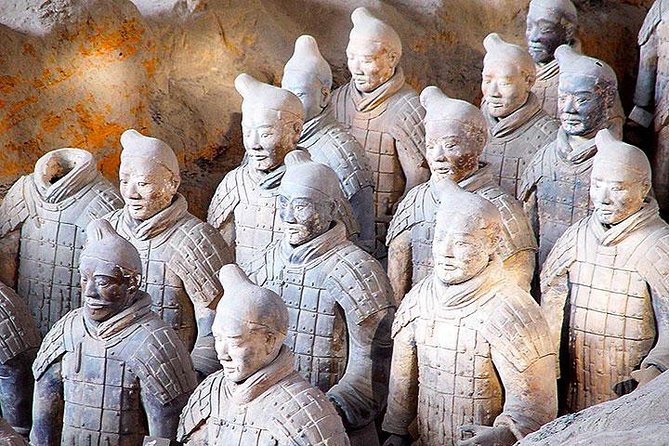
The Terracotta Army is the centerpiece of Xi’an. The museum complex includes three excavated pits filled with life-sized warrior figures and ancient weapons. The scale is hard to grasp from photographs, and the arrangement of the figures lets you see why this site is one of China’s essential stops.
Four hours are assigned to the museum visit and the family stop afterward. The time should allow you to see the main pits without treating the museum like a quick photo stop. Your guide can also help explain what you are looking at, since the figures are not all identical and the military layout rewards a closer look.
The schedule then moves to the Big Wild Goose Pagoda, built during the Tang Dynasty to hold Buddhist scriptures brought from ancient India. The one-hour visit is shorter and more focused than the Terracotta Army, but it adds religious and cultural context to the day.
The evening Tang Dynasty Music and Dance Show offers another shift in mood. It combines music, dance, and historical presentation in a 90-minute program. The theater is closed in January, February, March, and December, and the show is not included during those months. Check your travel dates carefully, since this seasonal change affects both the evening plan and the price.
This is one of the longest days on the tour. You get a major archaeological site, a Buddhist landmark, and a performance in a single stretch. It is rewarding, but not restful.
Day 6: Xi’an’s wall, Muslim Quarter, and the flight east
The day opens at Xi’an City Wall Park. The visit lasts about two hours and includes a chance to watch local daily life and possibly practice Tai Chi with a master.
Xi’an’s wall is especially useful because it connects the modern city with its older defensive structure. The park setting also gives you a break from museum interiors. If you enjoy observing ordinary routines, this may be one of the more memorable stops.
Lunch is in the Muslim Quarter, where you can try local food in a lively setting. This is a practical choice for a tour because the meal becomes part of the sightseeing rather than a separate restaurant search. A vegetarian option is available if requested when you book.
In the afternoon, you fly to Shanghai. Your Shanghai guide meets you at the airport and transfers you to the hotel. The flight saves time compared with an overland trip, but the day still includes packing, airport procedures, and a second city transfer.
Day 7: Shanghai’s art, gardens, river, and skyline
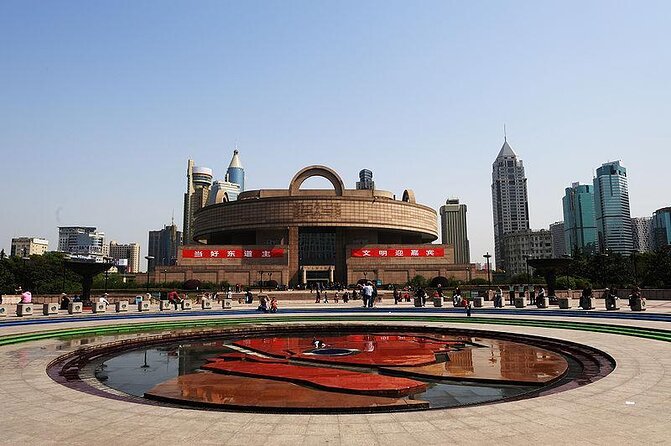
Shanghai gets one full sightseeing day, and it packs in a lot. The morning begins at the Shanghai Museum, one of China’s major museums for ancient artwork. Two hours is enough for a focused introduction, but not for seeing every collection in depth.
Next comes Yu Garden and its nearby traditional bazaar. The garden is known for its classical design, including the Nine Zigzag Bridge and the mid-lake pavilion. This is a compact, detailed place, with a very different feel from the grand imperial sites in Beijing.
You then visit Duo Yun Bookstore on the 52nd floor of Shanghai Tower for a high-level city panorama before heading to the Bund. This gives you two ways to read Shanghai: from above, as a giant modern city, and from the waterfront, where colonial-era buildings face the Huangpu River.
The Huangpu River cruise lasts one hour, with about two hours allocated to the river and Bund portion of the day. It is a smart inclusion because the skyline looks different from the water. The cruise also gives your feet a rest after a week of walking.
Nanjing Road is included among the Shanghai highlights, with its modern stores and arts-focused shops. The schedule does not assign a separate long free-shopping period, so do not expect an unhurried retail afternoon. The tour’s no-shopping-detour policy is a plus if you want sightseeing time protected from forced stops.
Group size, guides, and daily transport
The maximum group size is 18, which is small enough for a guide to keep track of the group without creating the feel of a large coach tour. You travel in air-conditioned vehicles, with arranged rail and air connections between cities.
Guide quality is central to a route like this. Emily has been praised for answering quickly and dealing with problems by phone. Candy in Beijing and Tracy in Xi’an have also been singled out for patient help and strong explanations. Guide assignments can change, so treat those names as examples rather than a promise.
The organization also matters when something goes wrong. One family needed hospital help after a daughter became ill, and the Beijing guide helped direct them to medical care. That kind of practical support is worth more than a polished speech at a monument.
Hotels, meals, and what you still pay
Accommodation is based on twin sharing, with seven breakfasts included. You also receive three lunches and dinner, plus two bottles of water per person per day.
That meal plan covers the main touring days, but it does not mean every meal is included. You should allow extra money for meals not listed, drinks, snacks, tips, and personal expenses.
The no-factory-store, no-tea-ceremony, and no-shopping-restaurant policy is useful. It keeps the schedule focused on places you came to see. You still have opportunities to buy things in regular markets and shopping areas, but there is no stated pressure to spend time at commercial stops.
Who should book this tour
I would choose this tour if you want to see China’s essential first-time sights with a guide and do not want to manage domestic transport yourself. It suits couples, families, and friends who are comfortable sharing a room and keeping to a firm schedule.
It is also a good fit if you value cultural range. You get imperial palaces, religious architecture, archaeology, neighborhood lanes, local food, performing arts, classical gardens, a river cruise, and modern city views.
I would hesitate if you prefer slow mornings, long independent walks, or several days in each city. The schedule gives you an introduction rather than a deep stay. People over 80 and wheelchair users should not book, since the experience is specifically unsuitable for them.
Most travelers can participate, but the Great Wall, Forbidden City, city walls, and large museum areas require steady walking. Comfortable shoes are essential.
Final verdict: a strong first China trip with a fast pace
At $1,619, this is good value for a tightly organized introduction to Beijing, Xi’an, and Shanghai. The included hotels, domestic connections, entrance fees, meals, guides, drivers, and bottled water remove many costs and headaches that can quickly add up on an independent trip.
The best reasons to book are the small group, protected sightseeing time, Mutianyu cable car arrangement, and personal guide support. The main warning is simple: eight days across three huge cities will leave you tired.
Book it if you want the big landmarks, clear structure, and help at every transfer. Skip it if your ideal China trip means settling into one city, lingering over meals, and setting your own timetable.
FAQ
How long is the tour?
The tour lasts approximately eight days, beginning with airport pickup in Beijing and ending with departure from Shanghai Pudong International Airport.
Which cities does the tour visit?
The route covers Beijing, Xi’an, and Shanghai.
What is the maximum group size?
The group is limited to a maximum of 18 travelers.
Is airport pickup included in Beijing?
Yes. A local guide meets you at Beijing Capital International Airport after you collect your luggage and clear customs.
Is the Shanghai airport transfer included at the end?
No. The Day 8 transfer from the hotel to Shanghai Pudong International Airport is not included.
How do I travel between Beijing, Xi’an, and Shanghai?
The itinerary provides a high-speed train from Beijing to Xi’an and a flight from Xi’an to Shanghai.
Are hotels included?
Yes. Hotel accommodation is included on a twin-sharing basis. A compulsory single-room supplement applies to solo guests.
Which meals are included?
The tour includes seven breakfasts, three lunches, and dinner. A vegetarian option is available if requested at booking.
Are the entrance fees included?
Yes. Entrance fees for the listed tourist sites are included, along with the Mutianyu Great Wall round-trip cable car.
Is the Tang Dynasty Show available all year?
No. The theater is closed in January, February, March, and December, so the show and related pricing differ during those months.
Is the tour suitable for wheelchair users?
No. The experience is listed as unsuitable for wheelchair users and people over 80 years old.
Are international flights and China visa fees included?
No. International airfare and China visa fees are not included.
Newly listed around Beijing
- Beijing: Summer Palace Ticket; fast and smooth★ 3.6 · 38 reviews
- Beijing: Summer Palace Entry Ticket★ 3.3 · 3 reviews
- Beijing: Summer Palace Highlight Walking Tour★ 4.8 · 25 reviews
- Beijing: Summer Palace, Sacred Road&Ming Tombs Private Tour★ 5.0 · 8 reviews
- Beijing: Summer Palace 3 Hours Guided Tour with Entry Ticket★ 4.8 · 4 reviews
- Beijing Private Tour: Summer Palace, Panda House and Options★ 5.0 · 21 reviews
- Beijing: Summer Palace Entrance(combo/tour opt)★ 4.7 · 6 reviews
- Beijing Royal Banquet with Chinese culture prefermance★ 5.0 · 3 reviews
Beijing Tours, compared.
Forbidden City Tour(Group/Private)-Tickets Included
Read our review →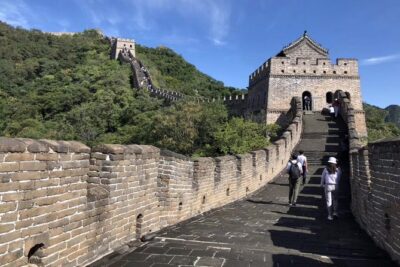
Mutianyu Great Wall Daily Tour with Ticket & Lunch
Read our review →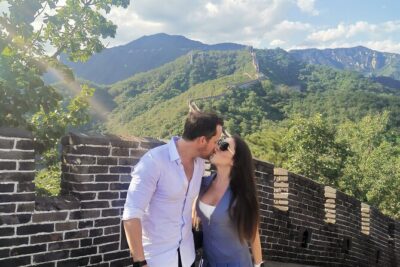
All-Inclusive Tour: Tiananmen Square, Forbidden City, Great Wall
Read our review →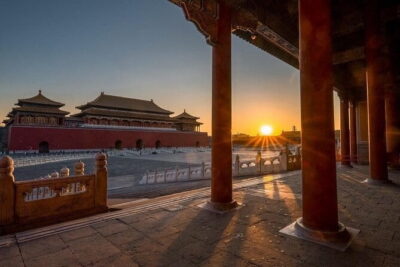
4-Hour Small Group Tour to Forbidden City with Entry Tickets
Read our review →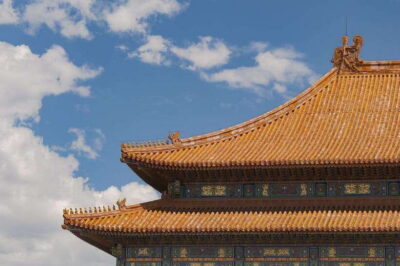
Beijing Full Day Tours: Tiananmen Sq, Forbidden City, Great Wall
Read our review →