
Reviewed · TEA CEREMONIES
Chinese Tea Ceremony Experience
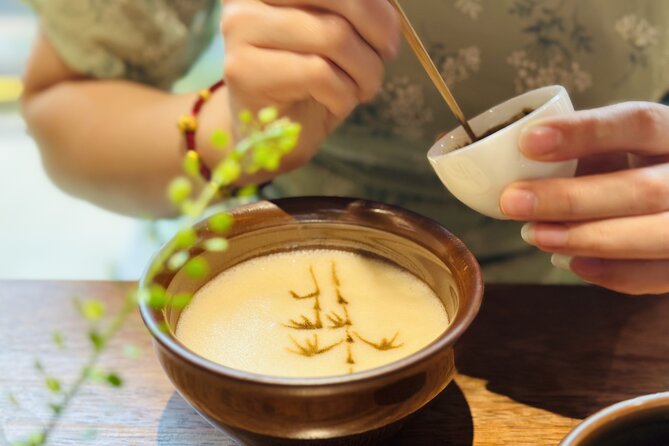
Song Dynasty tea whisking is the star here. Known as Dian Cha, this careful method predates modern matcha preparation and gives you something to do with your hands, not just a cup to sip. I like the chance to learn how tea is made and enjoyed in China, and I like that the session moves beyond one familiar tea to several distinct types, from green tea to pu’er.
The private format means only your group takes part, which makes questions and hands-on brewing easier. The traditional furnishings and optional Hanfu add a strong visual sense of place. The main drawback is the price: at $159 per person, this is a serious spend for three hours, especially if you mainly want a quick tea tasting.
Key Points
- Song Dynasty Dian Cha: Learn a whisking method linked to an older Chinese tea tradition.
- Several tea styles: Taste and brew different traditional Chinese teas, including delicate green tea and bold pu’er.
- Private group setting: Only your party participates, rather than joining a large public class.
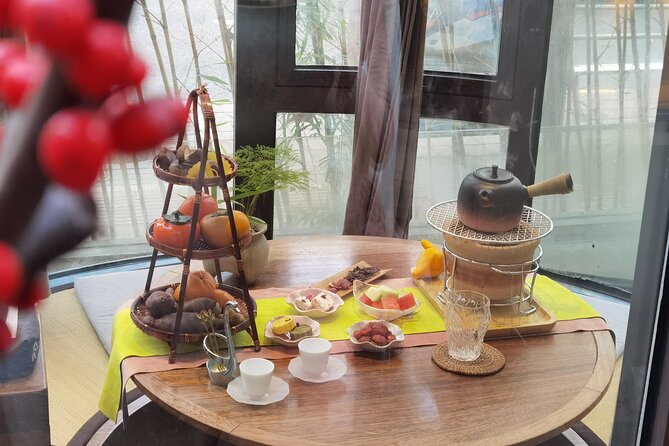
- Traditional Chinese room: Tea utensils and furnishings create a period-style setting for the session.
- Optional Hanfu: Wear traditional Chinese clothing for photographs if you want a fuller cultural experience.
- Central Shanghai meeting point: Begin and end near Baoqing Road in Xuhui District, with public transportation nearby.
What Makes This Shanghai Tea Experience Different
Many tea outings in Shanghai center on tasting, shopping, or watching a host prepare a pot. This one asks you to take part. You learn a historical technique, handle tea equipment, and compare several categories of Chinese tea during one sitting.
That difference matters. Tea can be easy to treat as a souvenir or a pleasant drink between sightseeing stops. Here, the preparation becomes the lesson. You can see how water, leaves, tools, and movement all affect the final cup. The tea master also explains how tea is produced and how Chinese people drink different teas, giving the session more substance than a simple sampling flight.
The setting adds to the experience. Traditional furnishings and utensils create an atmosphere that feels separate from an ordinary café. You are not just being handed a paper cup before moving on to the next attraction. You have time to sit, watch, brew, taste, and ask questions.
The format is especially useful if you are curious about Chinese culture but do not want a full museum lecture. The teaching stays tied to something you can see and taste. You leave with a better sense of why Chinese tea has so many categories and why the act of preparing it can be as important as drinking it.
More Tea Ceremonies in Shanghai
- Biking Real Shanghai& Tea Tasting Experience
★ 4.5 · 45 reviews - 3-Hour Shanghai Yu Garden &Old Town Private Tour with Tea Tasting
★ 5.0 · 17 reviews - Private Shanghai City and Zhujiajiao Combo Tour with Boating, Tea Tasting, Lunch
★ 5.0 · 15 reviews
Starting Near Baoqing Road in Xuhui District
The experience begins on Baoqing Road in Shanghai’s Xuhui District and ends at the same meeting point. The location is near public transportation, which makes it practical to fit into a day of sightseeing without arranging a private vehicle.
No private transportation is included, so you need to make your own way there. Check the meeting instructions carefully before you set out, especially if you are unfamiliar with Shanghai’s street layout. A mobile ticket is provided, and confirmation arrives when you book.
The start and end at the same place is convenient. You can leave your shopping bags or bulky sightseeing plans elsewhere and treat this as a focused three-hour stop. Since the precise tea-room details are not provided in advance, allow yourself enough time to reach Baoqing Road without rushing.
This is a private activity for your group only. That does not necessarily mean you receive a completely custom itinerary, but it does mean you will not be placed with unrelated participants. For couples, families, or friends, that creates a quieter setting and makes it less awkward to ask basic questions about tea.
Learning Dian Cha, the Song Dynasty Whisking Method
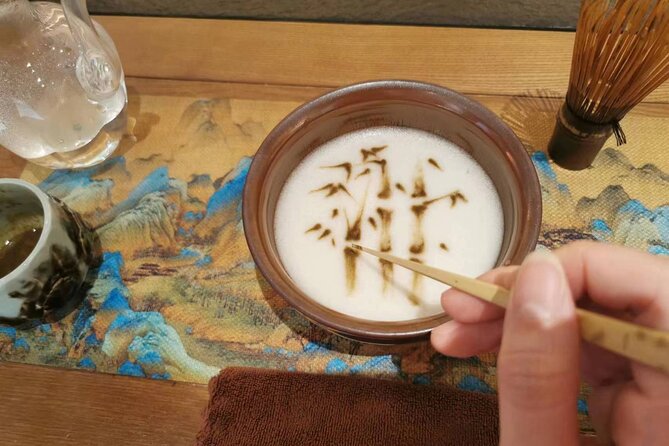
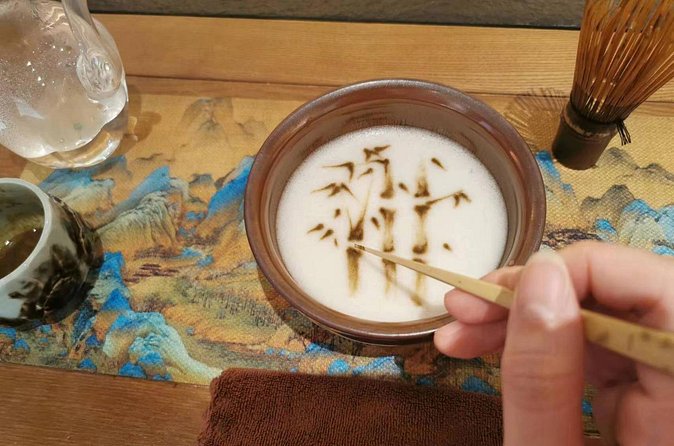
The first major part of the session focuses on Dian Cha, often translated as tea whisking. This method is associated with the Song Dynasty and came before the modern preparation style many people connect with matcha.
The tea master shows you how the process works, then gives you a chance to try it. Pay attention to the movement of the whisk and the texture that forms. The point is not to race through the technique or produce a perfect bowl on the first attempt. It is to understand how an older tea practice depends on control, rhythm, and attention.
This hands-on portion gives the experience its strongest cultural value. A lecture can tell you that Song Dynasty tea preparation differed from later traditions. Whisking the tea yourself makes that difference easier to remember.
You should also expect a learning curve. If you are used to dipping a tea bag into hot water, the careful preparation may feel unfamiliar. That is part of the appeal, but it also means this is not the best choice for someone who wants a quick, informal beverage break.
The technique predates modern matcha preparation, but you should not expect a matcha class under another name. The session is about Chinese tea culture and a historical whisking method, with the tea master providing the instruction.
Tasting Green Tea, Pu’er, and Other Traditional Teas
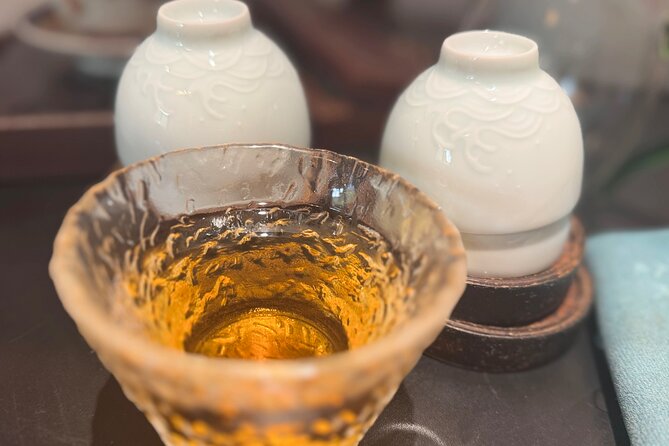
After the whisking lesson, you taste and brew a range of traditional Chinese teas. The selection includes delicate green tea and bold pu’er, along with other categories of Chinese tea.
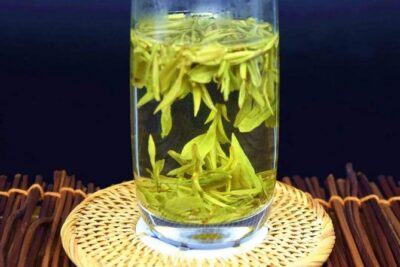
The contrast is useful. Green tea can show a lighter, more delicate side of tea, while pu’er gives you a fuller and more assertive style. Tasting them in the same session helps you compare aroma, flavor, color, and mouthfeel instead of trying to remember separate cups from different parts of your trip.
You also get to brew the tea yourself. That gives you a practical feel for how preparation changes the drink. Even without a detailed list of every tea served, the format promises variety rather than one fixed sample.
The tea master explains how the teas are manufactured and the different ways they are enjoyed. This is one of the most useful parts for a curious beginner. You can ask why one tea is handled differently from another, or why a particular tea suits a different brewing approach.
Do not book this expecting a full technical course in tea production. The activity lasts about three hours and combines history, brewing, tasting, and setting. It offers a well-shaped introduction rather than professional training.
Same base, a completely different kind of day out:
- Authentic Local Food Tour in Central Shanghai
★ 5.0 · 1,382 reviews - Zhujiajiao Water Town and Shanghai City Private Day Tour
★ 5.0 · 1,016 reviews - Private Shanghai Full Day City Tour with Old and New Highlights
★ 5.0 · 995 reviews - Shanghai: Hop-on Hop-off Bus Ticket and Optional Attractions
★ 3.4 · 692 reviews
A Traditional Room and the Option to Wear Hanfu
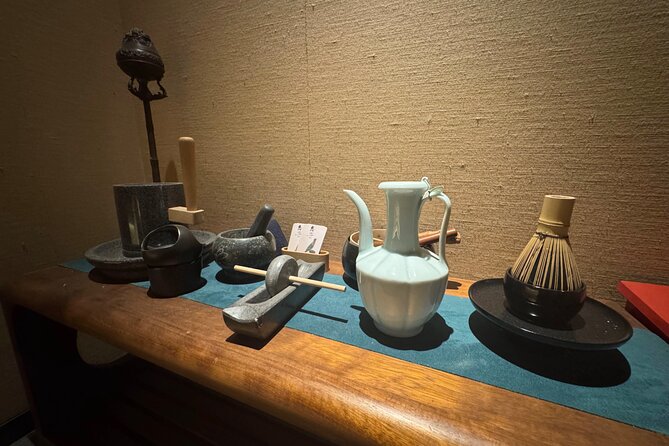
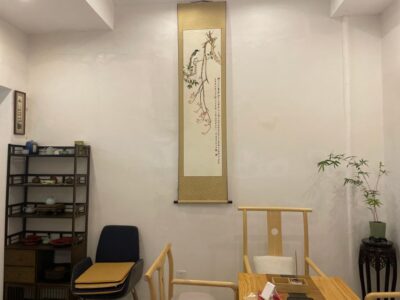
The room is styled with traditional Chinese furnishings, tea tools, and an atmosphere designed to recall older tea customs. These details are more than decoration. They give the preparation a proper setting and make the session feel distinct from a modern drinks workshop.
Hanfu, traditional Chinese clothing, is available as an option. If you want photographs with a stronger historical look, this can add a memorable visual element. It also suits people who enjoy connecting clothing, objects, and customs rather than treating the tea as an isolated activity.
You should confirm the exact Hanfu arrangements when booking if the clothing option matters to you. The available information confirms that Hanfu can be part of the experience, but it does not specify sizes, styles, changing facilities, or whether an extra charge applies.
The setting may appeal most to people who value atmosphere as much as flavor. If you are mainly interested in tasting rare teas, the room and clothing may matter less. If you want a cultural activity that photographs well and gives you a quiet break from city streets, they add real value.
Why the Private Format Matters
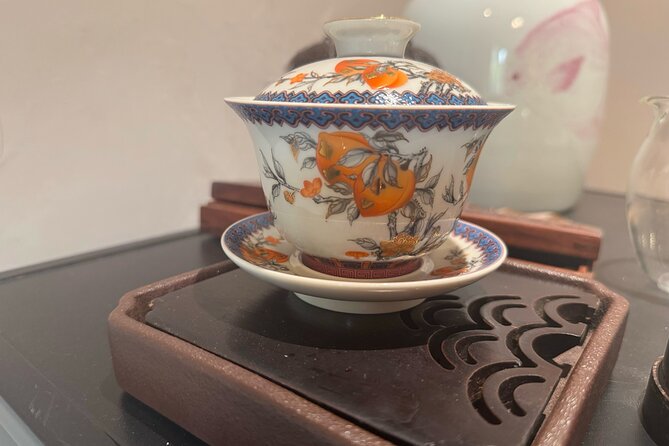
Only your group participates in this activity. That makes the session more personal than a large class, particularly when you are learning a technique that requires demonstration and practice.
A private group also gives you room to set the pace within the planned session. You can ask about the history of tea drinking, manufacturing methods, or the best way to brew a particular tea. The tea master’s explanations are a major part of the experience, so questions can make the difference between a pleasant tasting and a useful cultural lesson.
The trade-off is cost. Private activities usually cost more per person than a shared class, and this one is priced at $159 per person. The price may make sense for a small group that wants its own setting and a guided introduction. It is harder to justify for a solo visitor or a strict budget traveler who would be satisfied with tea in a café.
Group discounts are available, so larger parties should check the final price carefully. The advertised rate is per person, but the total value may improve if you are traveling with family or friends.
Is Three Hours the Right Length?
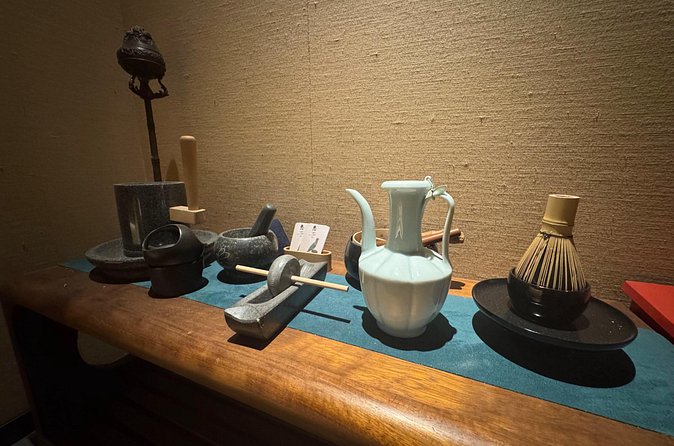
The activity lasts about three hours. That is enough time to cover the historical introduction, Dian Cha instruction, several tastings, hands-on brewing, and photographs without turning the session into a rushed demonstration.
I see the length as a strength for people who want context. Tea has many categories and preparation styles, and a short 45-minute tasting would give you little time to compare them. Three hours lets the tea master explain the reasons behind the steps.
It is also a meaningful block in your Shanghai schedule. You should not place it between two tightly timed attractions. Allow time to reach Baoqing Road, settle in, take part in the session, and continue to your next stop afterward.
Because the activity ends where it begins, planning is simple once the session is over. You can continue around Xuhui District or use public transportation for another part of Shanghai. The experience is best treated as one substantial cultural appointment, not a quick add-on.
Who Will Get the Most From It
I would recommend this experience to you if you enjoy learning through practice. The whisking lesson and brewing sessions give you more to remember than a standard tasting, and the tea master’s explanations connect the cups to Chinese customs and production.
It also suits:
- Couples looking for a quiet cultural activity
- Families with older children who can take part in the brewing
- Small groups that want a private setting
- Visitors interested in Chinese history and traditional arts
- Tea drinkers who want to compare green tea, pu’er, and other styles
- Anyone who wants Hanfu photographs in a traditional room
I would be more cautious if you are watching every dollar, dislike structured instruction, or only want to sample one or two teas. The price is high for a three-hour activity, and the value depends on your interest in the teaching, setting, and hands-on work.
The activity is also not presented as a transportation tour or a broad Shanghai sightseeing program. You go to one meeting point, stay focused on tea, and return there. That narrow purpose is a benefit for some people and a limitation for others.
Booking, Cancellation, and Practical Details
You receive confirmation at the time of booking, and mobile tickets are supported. The experience is booked an average of five days ahead, so planning a few days early is sensible, particularly if you have a fixed Shanghai itinerary.
Free cancellation is available until 24 hours before the start time for a full refund. Changes or cancellations made less than 24 hours before the start time are not accepted for a refund. The cut-off follows local Shanghai time.
The activity requires a minimum number of participants. If that minimum is not reached and the experience is canceled, you are offered another date or experience, or a full refund.
Service animals are allowed, and the meeting point is near public transportation. Private transportation is not included. If you need specific information about the room, Hanfu sizes, or other access needs, ask the provider before booking rather than assume.
Should You Book the Chinese Tea Ceremony Experience?
Book it if you want tea to be the main event, not a short refreshment stop. The strongest reasons are the Song Dynasty Dian Cha lesson, the chance to brew several traditional teas yourself, and the private traditional setting.
At $159 per person, this is not a bargain tasting. It becomes better value when you use the full three hours, ask questions, take part in the brewing, and make use of the private format or group discount. Hanfu can add another layer for photographs, though you should confirm the clothing details before you commit.
Skip it if your main goal is inexpensive tea or a broad tour of Shanghai. Choose it when you want a calm, focused introduction to Chinese tea culture, with history you can handle, taste, and remember.
FAQ
Where does the Chinese Tea Ceremony Experience begin?
It begins on Baoqing Road, Bao Qing Lu, in Xuhui District, Shanghai, China, postal code 200031.
Where does the activity end?
The experience ends back at the meeting point on Baoqing Road.
How long does the tea experience last?
The activity lasts approximately three hours.
What tea preparation method will I learn?
You will learn Song Dynasty tea whisking, known as Dian Cha. This method predates modern matcha preparation.
What kinds of tea will I taste?
You will taste and brew different categories of traditional Chinese tea, including green tea and pu’er.
Is transportation included?
No. Private transportation is not included, although the meeting point is near public transportation.
Can I cancel for a full refund?
Yes. You can cancel at least 24 hours before the local start time for a full refund. Cancellations or changes made less than 24 hours before the start time are not accepted for a refund.
Newly listed around Shanghai
- shanghai Disney tour★ 5.0 · 12 reviews
- shanghai Disney+shanghai one day city highlights tour (two days)★ 5.0 · 4 reviews
- Zhujiajiao Water Town and Shanghai City Highlights Private Day Tour★ 5.0 · 3 reviews
- Zhujiajiao Water Village & Seven Treasure Town Day Tour from Shanghai★ 4.0 · 8 reviews
- Zhujiajiao Water Town Private Tour with Local Farm Visit and Fruit Picking★ 5.0 · 3 reviews
- Zhujiajiao Water Town Self-Guided Tour with Private Transfer from Shanghai★ 5.0 · 7 reviews
- Xitang Water Village Sunset Tour with Riverside Dining Experience from Shanghai★ 4.5 · 45 reviews
- Xitang Water Town Self-Guided Tour from Shanghai with Private Transfer★ 5.0 · 5 reviews
Tea Ceremonies, compared.

One-Day Hangzhou Dragon Well Tea Culture & West Lake Private Tour
Read our review →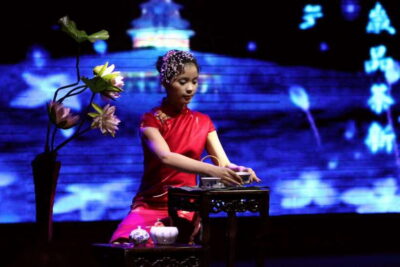
Chinese Tea ceremony in Beijing Hutong courtyard
Read our review →
Leshan Buddha + Panda Base or Old Tea House Private Day Tour
Read our review →
Day Tour to Discover the Secrets of Hangzhou’s Tea Culture
Read our review →Browse the lists this tour appears in