
Reviewed · HONG KONG TOURS
Highlights & Hidden Gems With Locals: Best of Hong Kong Private Tour
Hong Kong’s contrasts come quickly on this private walk. In three hours, you move from an Edwardian market hall and incense-filled temple to designer studios, old produce stalls, skyscrapers, and the Mid-levels Escalator. Sheung Wan is the star, because it gives you a working neighborhood rather than a postcard version of the city.
I like two things here: the route links several neighborhoods, and your guide can adjust the conversation and pace to your interests. Guides including Circle, Angel, Ying, and Edward have been praised for their local tips and clear explanations. The main drawback is pace. Ten stops in three hours means short visits, plenty of walking, and little time for shopping or a full meal.
Key points at a glance
- Three Hong Kong districts in one walk: Sheung Wan, Central, and Soho show very different sides of the city.
- A real wet market stop: You’ll see fresh produce stalls and learn why these markets still matter in daily life.
- Man Mo Temple and local rituals: The temple adds a quiet, spiritual pause to an otherwise active route.
- Useful urban transport lesson: Riding the Mid-levels Escalator helps you understand how Hong Kong’s steep streets work.
- Private guide format: Only your group and the guide take part, so questions and pacing can be tailored.
- Best for a short stay: The three-hour route gives you a quick orientation, especially during a stopover.
Hong Kong in three hours, from market stalls to skyscrapers
I like this tour because it treats Hong Kong as a city of overlapping eras. You don’t spend the whole morning looking up at towers. You walk through streets where vegetables are sold from old-fashioned stalls, incense burns inside a temple, creative businesses occupy a former police compound, and fashionable Soho sits only a short ride away.
The route begins at Sheung Wan MTR station, Exit B, on Des Voeux Road Central. From there, the walk covers Western Market, Sheung Wan Market, Upper Lascar Row, Man Mo Temple, PMQ, Graham Street Market, the Mid-levels Escalator, Soho, and Stone Slab Street. The stops are close enough to connect on foot, but the city’s hills, heat, traffic, and crowded pavements can make the route feel energetic.
This is a private tour, so you won’t be folded into a large group. That matters in markets and narrow lanes, where a guide can stop to answer your questions instead of moving on with a crowd. It also lets you explain what interests you most, such as food, architecture, religion, shopping, or the city’s past.
A few more Hong Kong days worth a look
- Hong Kong: Dolphin Cruise, Big Buddha & Lantau Island Tour
★ 4.2 · 1,512 reviews - Ngong Ping 360: Cable Car Return Tickets & Combos
★ 4.6 · 1,431 reviews - Lantau Island Day Trip – Big Buddha & Tai O
★ 4.5 · 1,328 reviews
Western Market gives you an old Hong Kong opening
Your first substantial stop is Western Market, an Edwardian building with a distinctive historic appearance. The guide explains its former role and points out details you could easily pass without context.
I enjoy this kind of introduction because it gives you a visual clue to Hong Kong’s past before the walk turns toward markets and modern districts. The stop lasts about 20 minutes and does not require an admission ticket. It is mainly an exterior and history stop, so don’t expect a long museum visit.
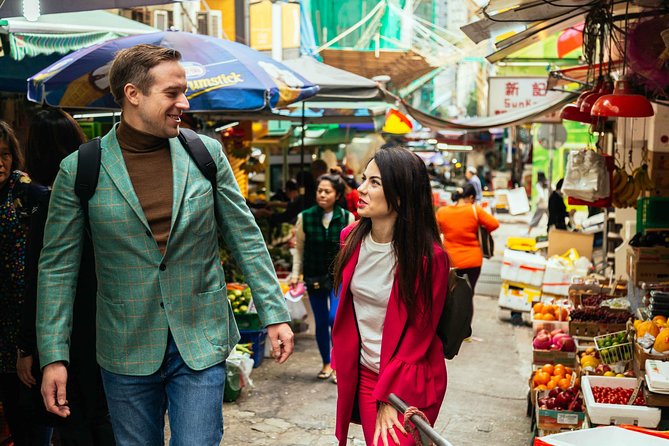
From here, the route moves into Sheung Wan Market. This is one of the more useful parts of the morning if you want to understand how local food shopping works. You’ll see fresh vegetables and hear about Chinese produce, including ingredients that may be unfamiliar if you usually shop in supermarkets.
The market is not arranged for sightseeing. It is a working place, which means the experience depends on what is open and active when you visit. A Sunday walk may feel quieter, since some market businesses operate more fully on weekdays. If market life is a major reason for booking, a weekday is the safer choice.
Cat Street and the art of browsing
Upper Lascar Row, often called Cat Street, brings a different mood. The lane is known for antique shops and small treasures, and your guide can help you bargain.
I would treat this as a browsing stop, not a guaranteed shopping spree. The tour gives you about 20 minutes, enough to look around and ask what an object might be, but not enough for a long negotiation over a major purchase. The value is having a local person explain the street and help you judge the atmosphere.
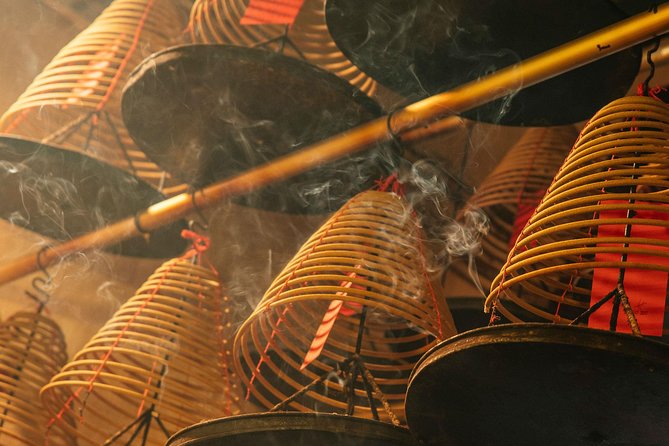
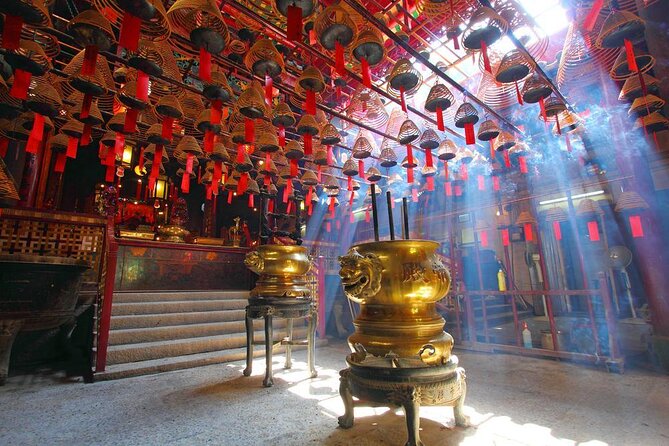
The route then reaches Man Mo Temple, one of the most memorable pauses on the walk. The temple is known for its calm interior, traditional details, and large coils of incense. You’ll have a chance to see religious rituals taking place rather than simply checking off a historic building.
This stop adds balance. After the produce market and commercial lanes, the temple offers a quieter setting where your guide can explain local customs. Dress and behavior should be respectful, and you should expect the temple to remain an active place of worship rather than a staged attraction.
PMQ shows a newer side of the city
PMQ tells a more recent Hong Kong story. The former site has become a hub for designers and creative businesses, and your guide explains how the complex changed over time.
I like the contrast between PMQ and the older market streets. You are still in the same compact part of Hong Kong, but the mood shifts from traditional commerce to design, studios, and new businesses. The 20-minute stop is enough for an introduction and a look around, though you may want to return later if you find a shop or exhibition that interests you.
Next comes Graham Street Market, described as Hong Kong’s oldest street market. This is another chance to see fresh vegetables being sold in a direct, practical way. It is less polished than a purpose-built food hall, which is exactly why it helps explain everyday life.
The route includes two markets, but they do not serve the same purpose. Sheung Wan Market gives you an indoor traditional market setting and a lesson in Chinese vegetables. Graham Street gives you a street-level look at vendors and local buying habits. If you like food and city life, these are among the strongest stops.
Same base, a completely different kind of day out:
- Big Bus Hong Kong Open Top Hop-On Hop-Off Sightseeing Tour
★ 4.0 · 1,077 reviews - Hong Kong Day Tour: City Landmarks & Highlights
★ 4.5 · 798 reviews - Hong Kong International Airport Plaza Premium Lounge Access
★ 3.5 · 787 reviews - Hong Kong Disneyland Park Tickets
★ 4.6 · 522 reviews
The Mid-levels Escalator turns transport into sightseeing
The Mid-levels Escalator is not just a way to get from one stop to another. It is a practical piece of Hong Kong infrastructure and a good way to feel the city’s steep geography without climbing every hill on foot.
You’ll ride the longest outdoor covered escalator system in the world, with the guide pointing out how it fits into the surrounding neighborhood. The ride lasts about 20 minutes as part of the tour, and it gives your legs a break after the markets and temple.
This is also where the tour’s pace becomes important. You are not spending the entire morning at each attraction. You move steadily from one place to the next, and the escalator helps connect the older streets with Soho. If you prefer slow photography, extended shopping, or long food stops, you may find the schedule tight.
Soho and Stone Slab Street finish the walk
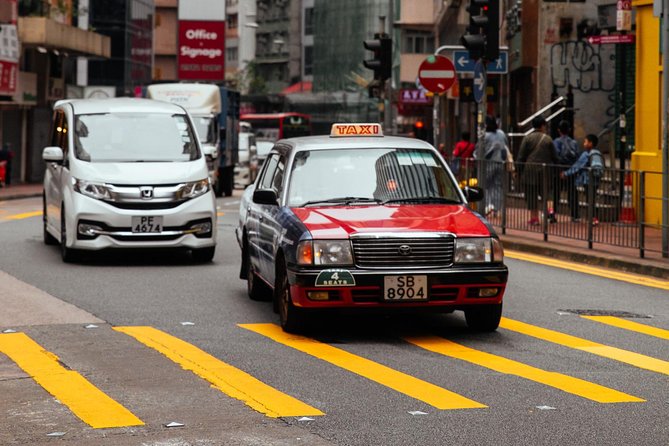
Soho brings you into a district where people work, live, and eat. The guide helps you notice the change in atmosphere, from the market lanes of Sheung Wan to a more social and contemporary part of the city.
The stop is useful for orientation. You can ask your guide for suggestions about places to eat or return to later, and the route gives you a sense of where Soho fits within central Hong Kong. Extra food and drinks are not included, so plan to eat separately if you want more than the included local drink or tasting.
The final stop is Stone Slab Street, a steep old lane with a distinctive look. It makes a good photo stop and provides a memorable ending before your guide leads you to the nearest MTR station. The tour itself ends back at the meeting point, but the route details also mention guidance to the closest station, so confirm the exact ending point with your guide on the day.
What the private format is worth at $102.69
At $102.69 per person, this is not the cheapest way to walk around Hong Kong. The value depends on how much you want from the guide rather than how many admission tickets you receive. Nearly every stop is free, and the price pays mainly for private planning, local explanation, route design, and one local drink or tasting.
For a first visit, I can see the appeal. You get a ready-made route through several districts, with no need to work out how Western Market, Man Mo Temple, PMQ, and Soho fit together. A good guide can also turn ordinary details, such as vegetables or a stairway, into useful lessons about the city.
The private setup becomes more worthwhile if you have specific interests. You can ask about food, architecture, markets, religion, or neighborhood changes. It also suits a family or small group that prefers its own pace. Group discounts may be available, so check the final price for your party rather than judging the per-person rate alone.
You should not book this expecting a full food tour. Extra meals and drinks cost more, and the included tasting is limited to one local drink or food sample. You also won’t receive hotel pickup or drop-off.
Timing, walking, and the best day to go
The stated duration is about three hours. That is important because one past booking was expected to last four hours, while the correct advertised duration is three. Plan your day around a compact walking tour, not a half-day excursion with long stops.
You’ll cover markets, narrow streets, a temple, an escalator, and Soho. Most people can take part, but the route includes a fair amount of walking and some old urban streets. Anyone with mobility concerns should discuss pace and route details with the guide before starting.
I would choose a weekday if markets are central to your plans. The route can still work on a Sunday, but some market activity may be reduced. Start with comfortable shoes, carry water, and leave room in your schedule for the city’s heat and stop-and-go walking.
The tour is near public transportation, beginning at Sheung Wan MTR station, Exit B. That makes it practical for a short stay or a morning before another Hong Kong activity. The carbon emissions from the tour are offset, and post-Covid operating rules may affect group numbers and delivery details.
The guides make the difference
The route is strong, but the guide determines how much you get from it. Circle has been noted for asking about interests in advance and adjusting options, which is especially useful for a private booking. Ying has led a history-focused walk through temples, markets, and architecture, while Edward has been praised for clear meeting instructions and an informative approach.
Angel has been described as adding engaging historical facts at each stop, and Cosmo has helped connect markets, food, and local history. Matteo has been associated with a good pace and interesting places. These names are examples of guides who have led the experience, not a guarantee of who will be assigned to your booking.
I would contact the provider with your priorities before the date. Tell the guide if you care most about food, photography, markets, history, shopping, or an easier pace. A private tour gives you the best chance of shaping the conversation, but it does not turn a three-hour route into a leisurely full-day outing.
Who should book this Hong Kong walk?
I would choose this for a first-time visitor who wants orientation without spending a whole day on a formal sightseeing circuit. It also suits a short stopover, since the meeting point is beside public transportation and the route covers a useful section of Hong Kong Island.
Food-focused visitors will appreciate the markets and local tasting, but should book a separate meal if eating is the main goal. Architecture fans will enjoy the mix of Edwardian Western Market, temple details, old lanes, PMQ, and modern Soho. Shoppers may like Cat Street, though the limited time makes this more of a preview than a dedicated shopping trip.
I would think twice if you dislike walking, prefer long visits at each attraction, or want guaranteed access to every market stall. The tour moves quickly. That speed is its strength for orientation and its weakness for slow exploration.
With a reported 4.8 rating from 105 ratings and 94 percent recommendation, the experience has a strong overall record. Still, the most useful expectation is a brisk private introduction to Hong Kong’s contrasts, not an all-day cultural program.
Should you book it?
Book this tour if you want a local guide, a private group, and a compact route through old and new Hong Kong. The best parts are the wet markets, Man Mo Temple, PMQ, the Mid-levels Escalator, and the way the neighborhoods connect.
Skip it if you want a dedicated food tour, a long shopping session, or a slow photography walk. For most first visits and short stopovers, $102.69 can be fair value because it saves planning time and gives ordinary streets useful context. Choose a weekday when possible, wear comfortable shoes, and tell your guide what you want to see before you begin.
FAQ
How long is the Hong Kong private tour?
The tour lasts approximately three hours.
Where does the tour begin?
It begins on Des Voeux Road Central at Sheung Wan MTR station, Exit B.
Where does the tour end?
The activity ends back at the meeting point. The guide can also lead you to the closest MTR station at the end of the route.
Is this a private tour?
Yes. Only your group and your local guide participate.
What neighborhoods does the route visit?
The route covers Sheung Wan, Central area sights, and Soho, showing traditional, historic, creative, and modern parts of Hong Kong.
Which main sights are included?
Stops include Western Market, Sheung Wan Market, Upper Lascar Row, Man Mo Temple, PMQ, Graham Street Market, the Mid-levels Escalator, Soho, and Stone Slab Street.
Is food included?
One local drink or tasting is included. Extra food and drinks are not included.
Is hotel pickup included?
No. Hotel pickup and drop-off are not included.
Is the tour suitable for most people?
Most people can participate, but the tour includes a fair amount of walking. The pace and route should be discussed with the guide if mobility is a concern.
Can I cancel for a refund?
You can cancel at least 24 hours before the start time for a full refund. Cancellations or changes made less than 24 hours in advance are not accepted for a refund.
Newly listed around Hong Kong
- 6 Hour Private Shore Excursion Cruise Ship Pick Up Guided Tour★ 5.0 · 8 reviews
- Hong Kong Disneyland: Non-Stop 2-Day Fun Ticket★ 4.5 · 13 reviews
- Big Bus Hong Kong Panoramic Night Tour by Open-Top Bus★ 3.5 · 53 reviews
- The Dragon’s Back Hiking Tour, Hong Kong★ 5.0 · 54 reviews
- The Authentic Hong Kong – Private Walking Tour★ 5.0 · 55 reviews
- Tea Tasting and Pairing Concept Workshop★ 5.0 · 57 reviews
- Victoria Harbour Yacht Night Cruise – DREAMER:Tourguide & Photos★ 4.0 · 58 reviews
- Organic Xiao Long Bao Soup Dumpling Class & Market Walk★ 5.0 · 62 reviews
Hong Kong Tours, compared.
Dolphin Cruise, Big Buddha & Lantau Island Tour
Read our review →
Ngong Ping 360: Cable Car Return Tickets & Combos
Read our review →
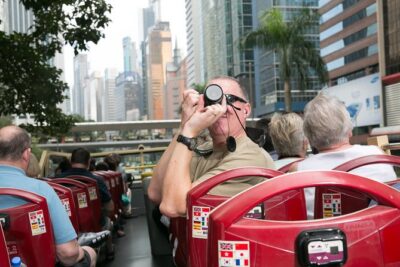
Big Bus Hong Kong Open Top Hop-On Hop-Off Sightseeing Tour
Read our review →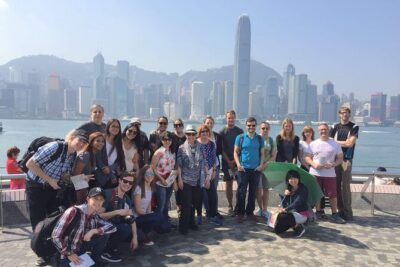
Hong Kong Day Tour: City Landmarks & Highlights
Read our review →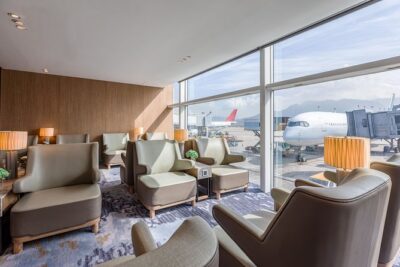
Hong Kong International Airport Plaza Premium Lounge Access
Read our review →
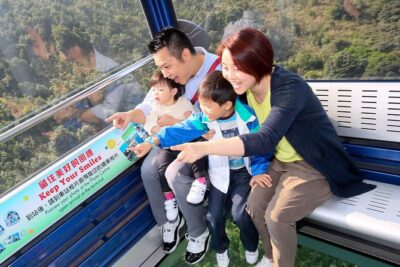
Ngong Ping 360 Cable Car Ticket on Lantau Island
Read our review →Browse the lists this tour appears in