
Reviewed · HONG KONG TOURS
Lunar New Year Preparation Group Tour – Hong Kong Island
Hong Kong’s Lunar New Year season begins long before the fireworks. This small-group walking tour takes you into the practical side of the holiday: choosing reunion-dinner ingredients, visiting a temple, sharing dim sum, and learning how to give lai see. Guide Angel connects these customs to places her own family uses.
I especially like the stop at the dried seafood market, where expensive ingredients carry symbolic meaning, and the chance to eat at old-style Lin Heung Lau rather than simply pass it on a sightseeing walk. The group is limited to six, which makes it easier to ask questions and try the calligraphy activity.
The main caution is timing. You’ll cover several neighborhoods in about three to four hours, and public transport is not included. If you prefer a slow, open-ended food tour, this schedule may feel brisk.
Key points at a glance
- Dried seafood and tonic foods: Learn how reunion-dinner ingredients and festive snacks fit into New Year customs.
- Man Mo Temple visit: See why many local families visit a temple before the holiday.
- Dim sum at Lin Heung Lau: Enjoy lunch and traditional New Year snacks at a classic tea house.
- Lai see and Chinese greetings: Get practical advice on red-envelope etiquette and five useful New Year greetings.
- Your own New Year banner: Try Chinese calligraphy at Upper Lascar Row.
- Small English-speaking group: The tour accepts a maximum of six people and is led by Angel.
Why Lunar New Year preparation is the real story
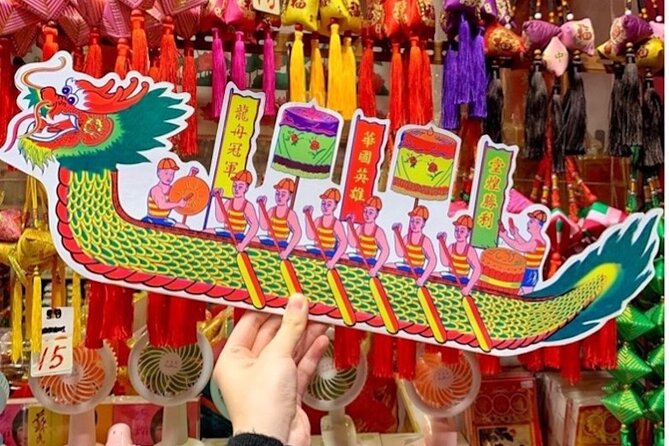
Hong Kong’s Lunar New Year is not just a public holiday with decorations and red envelopes. It is a season of shopping, cleaning, family meals, temple visits, gifts, greetings, and small choices that carry good-luck meanings.
That is why I find this tour more useful than a standard city walk during the festival period. You are not only looking at red paper decorations. You are learning why families buy certain foods, what people say to one another, and which actions are considered lucky or unlucky.
The experience is presented as Hong Kong’s only English-language festival tour. That matters if you want cultural context in plain English rather than a quick stop at a market with little explanation. Angel’s role is especially important here because the customs can be easy to miss when you are exploring alone.
The tour is also built around places that locals use for seasonal shopping and meals. You are not being taken only to major photo stops. You are given a sense of how preparations happen in everyday Hong Kong.
A few more Hong Kong days worth a look
- Hong Kong: Dolphin Cruise, Big Buddha & Lantau Island Tour
★ 4.2 · 1,512 reviews - Ngong Ping 360: Cable Car Return Tickets & Combos
★ 4.6 · 1,431 reviews - Lantau Island Day Trip – Big Buddha & Tai O
★ 4.5 · 1,328 reviews
Starting at Sai Ying Pun Station
The tour begins at 11:00 am outside Sai Ying Pun Station at Exit A1 on Sai Woo Lane. This is a practical meeting point on Hong Kong Island, close to public transport.
You should plan to arrive early. The tour includes several stops, and a small group of six works best when everyone is ready on time. An Octopus card is recommended because public transportation is not included in the price. The supplied details do not specify each transfer, so you should treat the card as useful preparation rather than assume the whole experience is on foot.
The experience returns to the same meeting point at the end. That simplifies your plans, especially if you want to continue exploring Hong Kong Island afterward.
The tour lasts about three to four hours. At 11:00 am, that puts the finish around early to mid-afternoon, depending on the pace and local conditions. Lunch and snacks are included, so you do not need to set aside a separate meal break.
Des Voeux Road West and the meaning of New Year foods
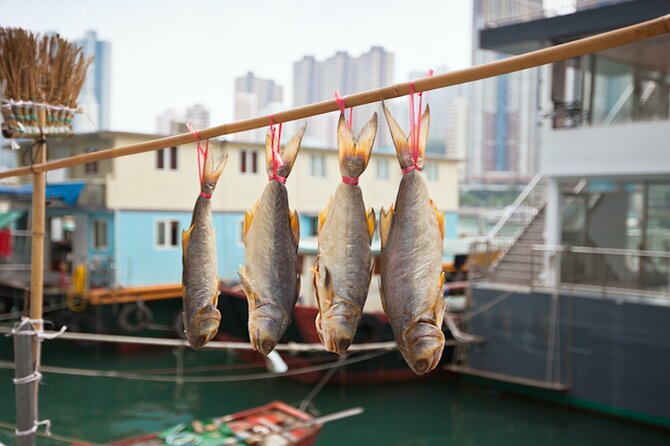
The first major stop is Des Voeux Road West, known here as Dried Seafood Street and Tonic Food Street. You get about 45 minutes to look at ingredients used for Chinese reunion dinners and learn how families choose them.
This is one of the strongest parts of the experience because food shopping is central to Lunar New Year. Certain ingredients are valued not just for taste but also for their name, shape, rarity, or association with prosperity and good fortune. The tour focuses on the symbolism behind some of the most expensive items, giving you a better sense of why a festive dinner can involve careful planning and serious spending.
You will also learn how to choose decorations and snacks for the holiday. That practical detail is useful. Many visitors can recognize red paper ornaments or neatly packaged sweets, but without context they remain decoration and food. Here, you get the cultural reason behind the choices.
The 45-minute stop is long enough for explanation and browsing, but it is not a market tour with unlimited shopping time. If you want to compare every product or buy gifts, you may need to do that on your own later. The focus is understanding how the market fits into family preparations.
Because dried seafood stores can be visually and culturally unfamiliar, this is also a good place to ask direct questions. Angel’s connection to local customs helps turn unusual products into part of a larger story about the holiday.
Man Mo Temple before the New Year
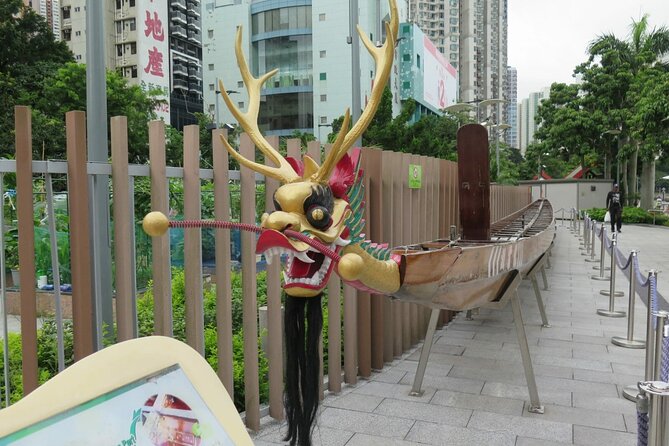
Next comes Man Mo Temple, with about 30 minutes at the site. Admission is free.
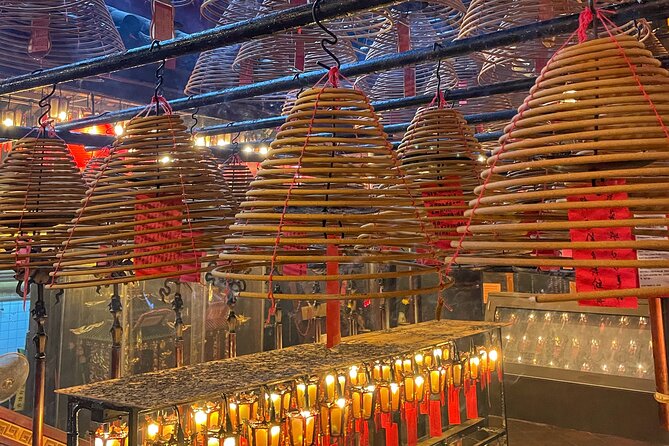
The temple visit explains why many local people come to a temple before Lunar New Year. This is not simply a religious attraction inserted into a walking route. It is tied to the wish for a good year ahead and to the customs surrounding the start of the lunar calendar.
Man Mo Temple also gives the tour a change of pace. After the commercial energy of food shopping, you move into a place associated with prayer, tradition, and personal hopes for the coming year. The stop is short, so you should expect an introduction and cultural explanation rather than an extended temple study.
The experience is best approached respectfully. Listen to the guidance about local behavior, and avoid treating the temple only as a backdrop for photographs. The tour’s broader do’s and don’ts advice is useful here, as well as later when discussing greetings and lai see.
Same base, a completely different kind of day out:
- Big Bus Hong Kong Open Top Hop-On Hop-Off Sightseeing Tour
★ 4.0 · 1,077 reviews - Hong Kong Day Tour: City Landmarks & Highlights
★ 4.5 · 798 reviews - Hong Kong International Airport Plaza Premium Lounge Access
★ 3.5 · 787 reviews - Hong Kong Disneyland Park Tickets
★ 4.6 · 522 reviews
Lin Heung Lau and the dim sum break
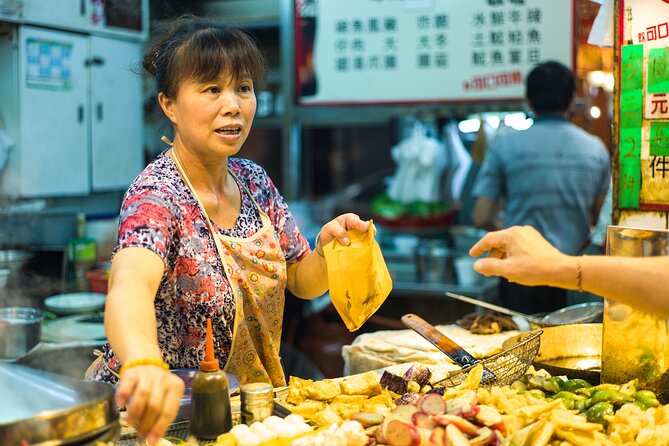
The 50-minute stop at Lin Heung Lau is the food center of the tour. Dim sum is included, along with New Year snacks encountered during the experience.
I like this part because the meal connects naturally with the day’s theme. You have just looked at the ingredients and customs surrounding family celebrations, and now you sit down for traditional Cantonese food in an old tea-house setting. It feels more connected to the festival than a generic restaurant stop would.
The meal is described as a dim sum break, not a long banquet. With several other stops to come, you should expect a focused tasting rather than an extended lunch. The included food adds real value to the $101.68 price, especially when combined with the snacks and the guide’s explanations.
Food preferences and allergies are not specified in the supplied details, so you should raise any concerns when booking or before the tour begins. The information confirms dim sum and New Year snacks, but it does not provide a fixed menu.
This is also a social part of the experience. Since the group can be as small as six people, you have a better chance to talk with the guide and the others at the table. That small format has been a recurring strength of Angel’s other tours as well, with participants describing the atmosphere as friendly and personal.
Upper Lascar Row and the red-envelope rules
The final listed stop is Upper Lascar Row Antique Street Market, where you receive guidance on lai see and New Year greetings.
Lai see, or red envelopes, are closely tied to Lunar New Year etiquette. The value is not only in the money inside. The color, manner of giving, and relationship between the people involved all matter. The tour teaches you the basics of giving and receiving lai see so you can avoid an awkward mistake.
You also learn five Chinese New Year greetings. This is one of the most useful takeaways for anyone visiting Hong Kong during the holiday. Even a few correct phrases can make greetings more personal, especially when you understand when and how to use them.
The stop includes a chance to paint your own Lunar New Year banner using Chinese calligraphy. This gives you something hands-on to do rather than simply listen. It also turns a cultural lesson into a small keepsake.
Upper Lascar Row is an antiques market, so the surroundings add another layer to the afternoon. The focus here is not described as an antiques-buying session, and you should not expect a detailed shopping appraisal. Instead, the market provides the setting for the calligraphy and etiquette lessons.
Angel’s role and the small-group format
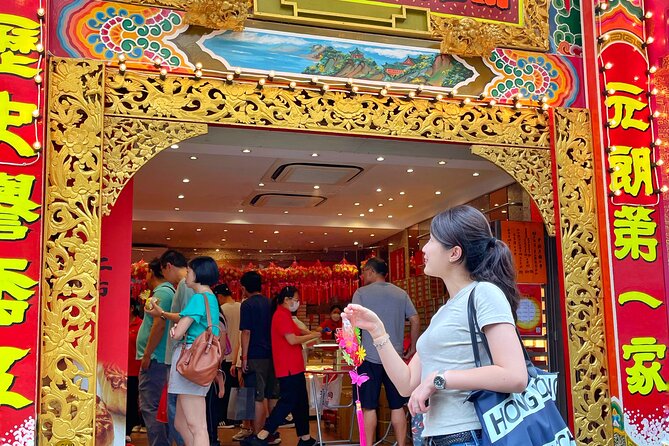
Angel is the named guide, and her English is described as very good. The tour is limited to a maximum of six people, which is a major advantage for a culture-focused experience.
A large group can make it difficult to hear explanations in a market or temple. It also leaves little room for questions. With six people, you can ask about a food item, a greeting, or a temple custom without holding up a crowd.
Past participants who joined Angel on other Hong Kong cultural tours describe her as patient, positive, well organized, and willing to answer unexpected questions. They also return for different seasonal experiences, including Mid-Autumn Festival and Hungry Ghost Festival tours. That pattern suggests her strength is personal storytelling and local context, not a rapid checklist of landmarks.
Still, a small group is not the same as a private tour. You will share the guide’s attention with up to five other people. The group size may also affect the pace if different people have different interests.
What the $101.68 price gives you
At $101.68 per person, this is not the cheapest way to spend a morning in Hong Kong. You could visit Man Mo Temple and browse markets on your own for far less.
The value comes from the combination of access, explanation, food, and structure. Your fee includes lunch, snacks, a three to four hour guided experience, and a small group capped at six. You also get cultural instruction that would be hard to assemble on your own, especially the explanation of food symbolism, lai see etiquette, greetings, and temple customs.
The food matters here. A dim sum meal and New Year snacks reduce the need to pay for lunch separately, though the exact amount of food is not stated. Public transportation is extra, and you need to arrange your own Octopus card or fares.
I would consider this good value if you care about the meaning behind Lunar New Year and want an English-speaking guide to connect several local experiences. It is less compelling if your goal is simply to see markets, eat a large meal, or shop for antiques.
Who will enjoy this Hong Kong festival walk
This tour suits you if you are visiting Hong Kong during the Lunar New Year period and want more than decorations and crowded public events. It is also a good match for people who enjoy food traditions, short walks, local customs, and asking questions.
You do not need to be an expert in Chinese culture. The tour is designed for English speakers, and most people can participate. Service animals are allowed, and the meeting point is near public transportation.
The experience may also appeal to Hong Kong residents or long-term visitors. Several people who joined Angel’s other tours already knew the city but still found new places and customs to explore. The content is aimed at local life rather than only first-time sightseeing.
You should think twice if you dislike fixed schedules, have difficulty with several stops in one morning, or want a fully private experience. The tour covers a lot in a short period, and transportation is not included.
Practical details before you book
Confirmation is normally sent at booking. If you book within three days of the tour, confirmation may arrive within 48 hours and depends on availability.
The tour offers free cancellation if you cancel at least 24 hours before the local start time. Cancellations or changes made less than 24 hours before the start are not refunded or accepted. Poor weather can also cause cancellation, in which case you are offered another date or a full refund. The same applies if the minimum number of participants is not reached.
Since the tour requires good weather, wear comfortable clothing suitable for walking between city stops. Bring an Octopus card or another way to pay public transport fares. You should also leave room in your plans for the return to Sai Ying Pun Station, since the exact finishing time can vary.
Should you book the Lunar New Year preparation tour?
Book it if you want to understand how Hong Kong families prepare for the holiday, not just watch a parade or photograph decorations. The strongest reasons are the small six-person maximum, Angel’s clear English guidance, the food-focused market visit, and the combination of dim sum, temple customs, lai see etiquette, greetings, and calligraphy.
Skip it if you want a long meal, extensive shopping time, or a private itinerary built around your own interests. At $101.68, the experience earns its price through context and included food rather than through major attractions.
For a first Lunar New Year visit, this is a practical way to learn the rules of the season while seeing several distinctive corners of Hong Kong Island. It gives you useful cultural knowledge you can carry into the rest of your holiday.
FAQ
Where does the tour start?
The tour starts at Sai Ying Pun Station Exit A1 on Sai Woo Lane, Sai Ying Pun, Hong Kong.
What time does the tour begin?
The scheduled start time is 11:00 am.
Where does the tour finish?
The tour ends back at the meeting point at Sai Ying Pun Station.
How long does the experience last?
The tour lasts approximately three to four hours.
What food is included?
Dim sum, lunch, and snacks are included. The experience also includes New Year snacks during the tour.
Is public transportation included?
No. Public transportation is not included. An Octopus transit card is recommended.
How many people can join the tour?
The experience has a maximum of six participants.
Is the tour conducted in English?
Yes. It is presented as an English-language festival tour, led by Angel.
Can I cancel for a full refund?
Yes, if you cancel at least 24 hours before the experience start time. Cancellations made less than 24 hours before the start are not refunded. If poor weather or an insufficient number of participants causes cancellation, you are offered another date or a full refund.
Newly listed around Hong Kong
- Full Day Private Trip in Hong Kong( impeccable local )walk tour★ 5.0 · 11 reviews
- Hong Kong Victoria Harbour Sightseeing Cruise Tickets★ 4.5 · 8 reviews
- Hong Kong Guided Dinner + Laser Show Lounge Entry (2023) | 200+ booked★ 3.5 · 7 reviews
- Walking Tour in Hong Kong – Local Experience (New & Best)★ 4.5 · 33 reviews
- Victoria Peak Tram and Sky Terrace 428 Admission Hong Kong★ 4.5 · 33 reviews
- STARLIGHT: Victoria Harbour Night Yacht Tour★ 4.5 · 38 reviews
- Group Vegetarian Food & Cultural Tour★ 5.0 · 16 reviews
- Unveiling Hong Kong Cultural Gems [BRAND NEW 2024]★ 5.0 · 4 reviews
Hong Kong Tours, compared.
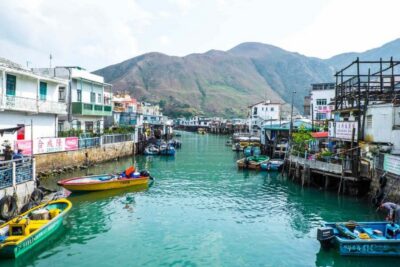
Dolphin Cruise, Big Buddha & Lantau Island Tour
Read our review →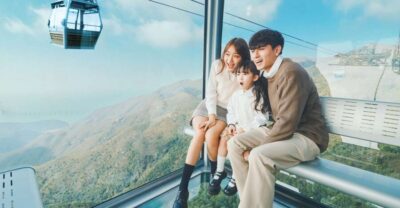
Ngong Ping 360: Cable Car Return Tickets & Combos
Read our review →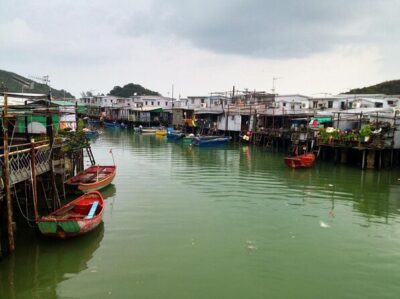
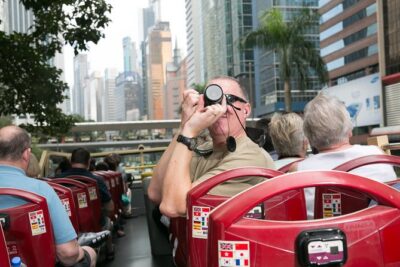
Big Bus Hong Kong Open Top Hop-On Hop-Off Sightseeing Tour
Read our review →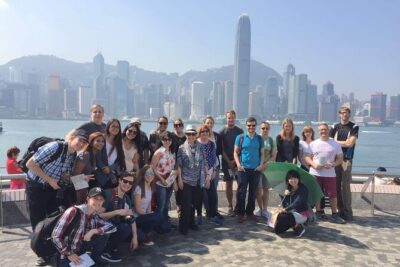
Hong Kong Day Tour: City Landmarks & Highlights
Read our review →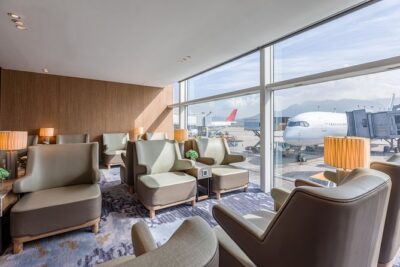
Hong Kong International Airport Plaza Premium Lounge Access
Read our review →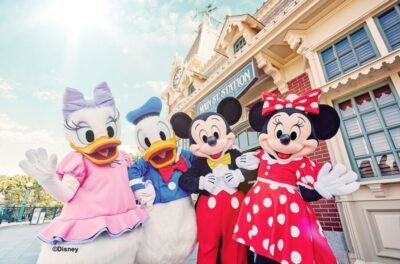
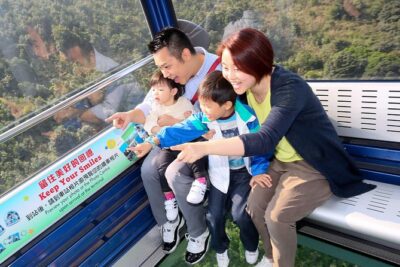
Ngong Ping 360 Cable Car Ticket on Lantau Island
Read our review →Browse the lists this tour appears in