
Reviewed · CHENGDU TOURS
Learn cold noodle and wolf-teeth potato at local home
Zigong’s most beloved school-day snacks take center stage here: cold noodles and wolf-teeth potatoes, taught by Karen in a local home in Chengdu. Her family connection to Zigong’s salt industry gives the lesson a personal link to the salt and chili that shape the food.
I like the small maximum of six people and the fact that you cook rather than watch. I also like the flexible spice level, since Karen can leave out the chili if needed. The main consideration is that this is a simple, home-style lesson, not a polished chef school, and the class requires you to reach the meeting point on time.
Key points at a glance
- Karen teaches her mother’s Zigong methods, learned through years of helping at a family food stall.
- You make two classic snacks, cold noodles and wolf-teeth potatoes, then eat your own work.
- Homemade chili oil is part of the lesson, with Karen sharing her family recipe.
- The group is capped at six people, giving the class a personal feel.
- Spice can be adjusted, including no chili if you cannot eat spicy food.
- The $31 price includes ingredients, equipment, an apron, water, snacks, and a recipe.
Why these two Zigong snacks matter
This class is not built around famous restaurant dishes. It focuses on the food many Sichuan families eat casually, especially the quick snacks sold near schools, shops, and neighborhood food stalls.
Karen was born in Zigong, a city known for well salt. Her parents worked in the Zigong salt factory, and her grandfather was a boiler man there. That background matters because salt is not just a seasoning in this story. It is part of her family’s daily life and part of the flavor she is trying to pass on.
Cold noodles and wolf-teeth potatoes were childhood favorites for Karen. After school, she and her classmates would stop at the grocery beside the school, buy a portion, and eat before heading home. Those details give the class a useful sense of place. You are not simply learning two random recipes. You are learning the snacks Karen associates with home, school, family, and Zigong.
The cooking is also tied to her mother. Karen helped at her mother’s food stall, cutting and frying potatoes, and steaming and cooling noodles. She learned the methods there, not in a professional culinary program. That is a strength if you want food made in the way a local family actually prepares it. It is less suited to you if you expect a formal chef-led course with restaurant-style presentation.
A few more Chengdu days worth a look
- Chengdu: Giant Panda Breeding Research Base Ticket
★ 4.5 · 580 reviews - Half-Day Chengdu Cooking Class with a Local Market Visit
★ 5.0 · 465 reviews - Tuktuk Food Tour Through Chengdu’s Local Eats
★ 5.0 · 435 reviews
Starting at Zhongxin Road in Chengdu
The experience begins at Zhongxin Road in Jin Niu District, Chengdu, and ends back at the same meeting point. The location is near public transportation, but transportation to and from the activity is not included, so you need to arrange your own route.
Plan to arrive on time. The class lasts about one hour and 40 minutes to two hours, and a cooking session works best when everyone starts together. Confirmation is provided when you book. If your preferred date is not shown on the calendar, you can message Karen and ask her to open it.
The group limit is six people. That is a useful size for a lesson involving chopping, frying, steaming, mixing, and tasting. You should have more room to ask questions than in a large demonstration class, though the exact amount of individual cooking time will depend on the group.
Once you arrive, Karen introduces herself and gets everyone familiar with one another. This opening is brief but useful. The class is based on a personal story, so understanding Karen’s connection to Zigong helps explain why these dishes matter to her.
Learning the cold noodle method
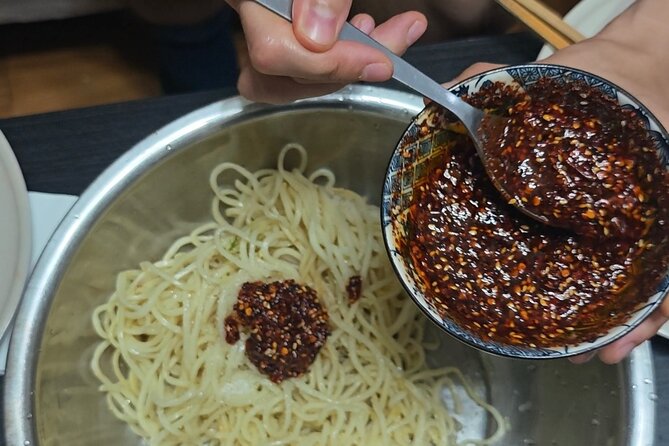
Cold noodles are one of the main reasons to book this activity. Karen explains the ingredients and the process before you begin, then guides you through the work.
The supplied details identify steaming and cooling the noodles as part of the family method. That matters because cold noodles are not simply noodles served with a cold topping. Texture and temperature are central to the dish. You learn how Karen’s family prepares them before the seasoning is added.
The lesson then moves from explanation to practice. You cook under Karen’s direction instead of standing back while she does everything. One past participant specifically praised her step-by-step guidance and found the dishes quick and simple to prepare. That is helpful information if you have little cooking experience. You do not need to arrive as an expert.
The recipe is included, so you can try the dish again at home. The recipe is one of the most practical parts of the experience. A food memory is pleasant, but a written method gives you a chance to reproduce it after your trip.
Do not expect a long lesson in noodle production from raw flour or a full discussion of every regional noodle style. The focus is narrower: learning this cold noodle preparation and understanding its place in Zigong snack culture.
Shaping and frying wolf-teeth potatoes
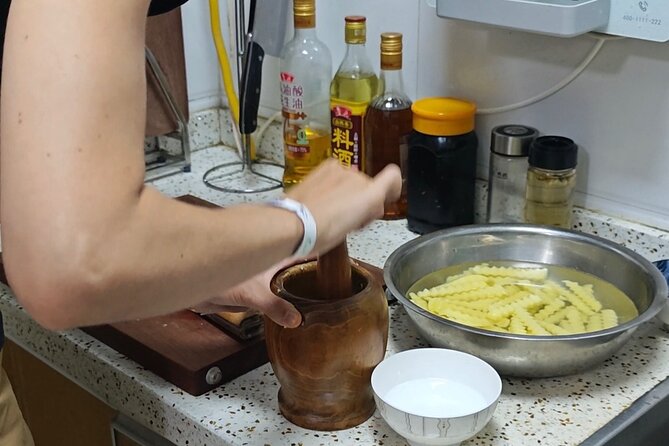
The second dish is wolf-teeth potato, a popular Zigong snack named for the jagged shape cut into the potato. The supplied class details specifically include cutting and frying the potato, so you should expect hands-on work with that part of the dish.
The name is a good reminder that shape changes the eating experience. The ridged cuts create more edges for seasoning and give the potato its recognizable look. Karen teaches the method she learned while helping at her mother’s stall, so the emphasis is on familiar street-food preparation rather than elaborate plating.
You will prepare the potato under Karen’s instruction, then combine it with the seasonings used in the dish. The class is short, and this snack is part of a practical lesson rather than a long technical workshop. That makes it a good choice if you want to learn something you can repeat without buying special equipment.
The class provides the cooking equipment and ingredients. You do not need to bring your own apron, either, since one is included. Water and snacks are also provided. These details keep the session simple for someone fitting a cooking lesson into a busy Chengdu day.
Same base, a completely different kind of day out:
- Private Half-Day Chengdu Panda Breeding Center Tour with Optional Volunteer
★ 5.0 · 353 reviews - Chengdu: Sichuan Opera Shu Feng Yan Yun Evening Show Ticket
★ 4.7 · 185 reviews - Private Chengdu Day Tour: Giant Pandas and Jinsha Site Museum
★ 5.0 · 142 reviews - Visiting Dujiangyan Yaan Wolong Panda Base Optional Volunteering
★ 5.0 · 105 reviews
The chili oil lesson is a major draw
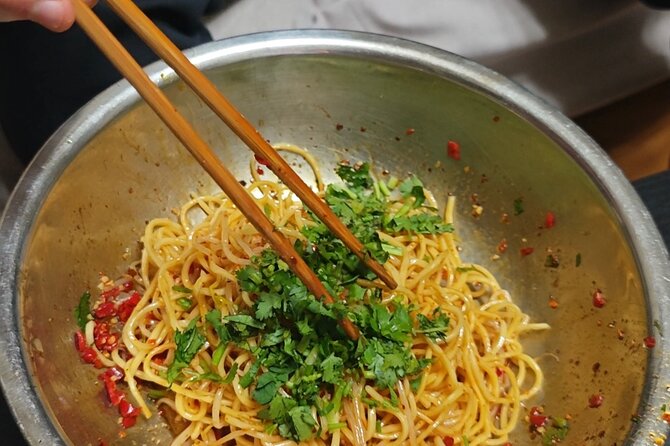
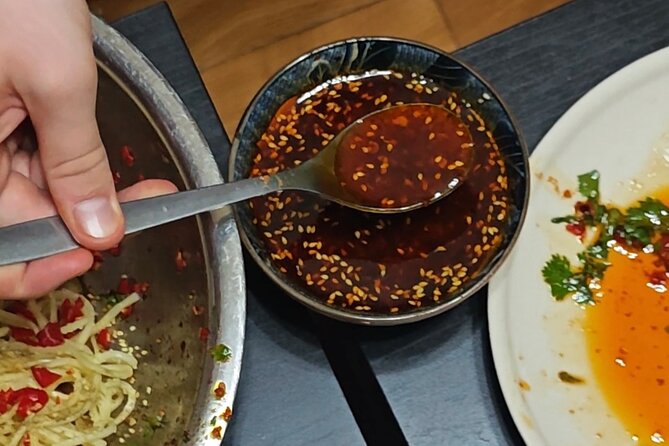
For many people, the chili oil may be the most useful part of the class. Karen shares her home recipe and explains how it fits into the two snacks.
Her approach is connected to Zigong ingredients, including well salt and chili from her hometown. This is where the lesson moves beyond a basic recipe card. You get a sense of how seasoning connects a dish to a particular place and family.
You should tell Karen about allergies or dietary restrictions before the activity. If you cannot eat spicy food, she will not add chili. That makes the class more approachable for people who enjoy learning about Sichuan food but do not handle heat well.
The option to leave out chili does change the finished flavor, of course. Chili is a key part of these snacks, and the class is built around a Sichuan-style approach. Still, being able to adjust the heat means you can take part without forcing yourself to eat food that makes you uncomfortable.
If you do enjoy spicy food, the chili oil lesson gives you a clearer idea of how heat, salt, and other seasonings work together. The class does not promise a professional sauce-making course, but it does offer a family recipe with a direct link to Zigong.
Tasting what you prepared
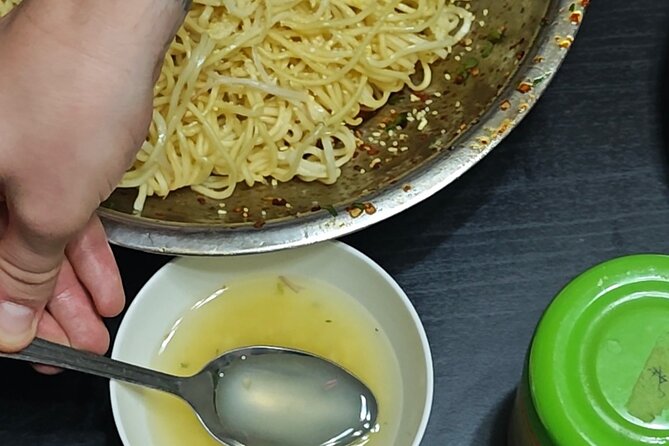
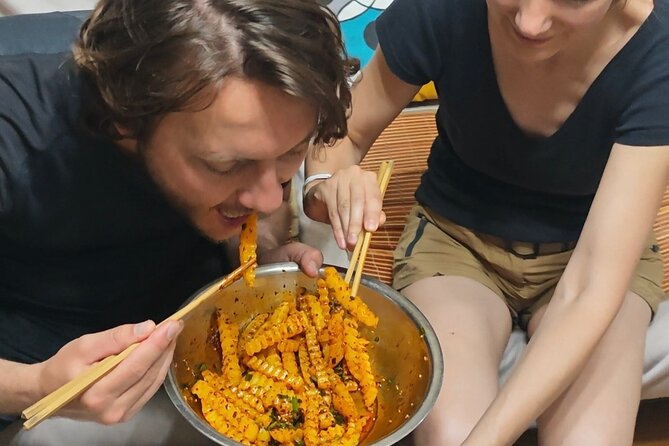
After the cooking is finished, you sit down to taste the cold noodles and wolf-teeth potatoes. Karen talks about the dishes and shares some background on Sichuan and Zigong cooking.
This tasting is important because you can judge the results while the method is still fresh in your mind. If the flavor is too mild, too salty, or too hot, you can ask questions and connect the result to the steps you just followed.
The class is also social without being built around a long meal. You share your impressions after cooking, which gives the experience a natural end. It is a better fit for you if you like learning through food and conversation than if you want a fast snack with no instruction.
One useful point from the available feedback is that the participant found the dishes quick, simple, and delicious, and planned to make them at home. The praise was strongest for Karen’s clear instructions and steady guidance. That is the quality to value here: not a grand show, but help that lets you actually finish the dishes.
What the $31 price covers
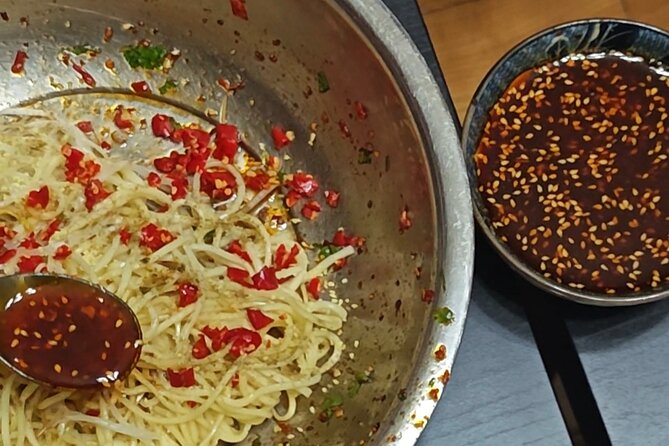
The price is $31. For a roughly two-hour lesson, that is reasonable if you value the small group and the chance to cook two dishes yourself.
The fee includes:
- All food ingredients
- Cooking equipment
- An apron
- Water
- Snacks
- A recipe
The class listing also identifies the admission ticket as free, which appears to mean there is no separate entrance charge for the cooking activity. Transportation is not included, so factor in the cost and time of reaching Zhongxin Road and returning afterward.
The value is strongest for you if you plan to cook again. The recipe, family method, and chili oil instruction continue to be useful after the class. If you are mainly seeking a large meal or a restaurant tasting, the price may feel less compelling because the experience is centered on instruction and preparation.
Who will enjoy this home cooking class
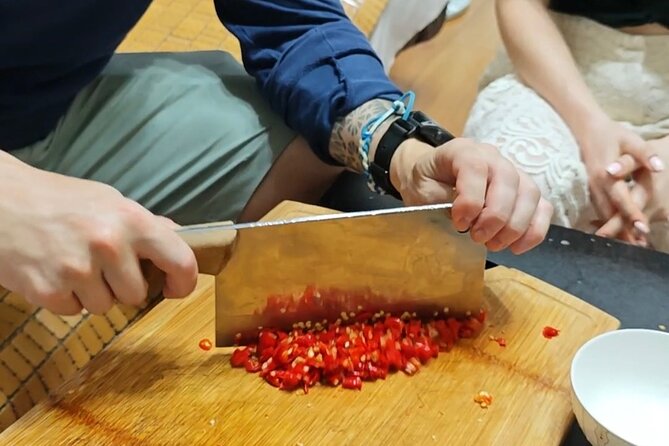
I would recommend this to you if you want a personal introduction to everyday Sichuan food rather than a broad survey of Chinese cuisine. It suits people who enjoy short hands-on activities, small groups, and food with a clear family story.
It is also a good option for:
- First-time cooks who want direct guidance
- Visitors curious about Zigong and Sichuan snack culture
- People who want a recipe they can use at home
- Couples, friends, and small groups
- Families with children, as long as children are accompanied by an adult
- People who cannot eat spicy food, since Karen can omit chili
You should think twice if you want a full-day cooking course, a professional chef, or a formal culinary school setting. Karen is not presenting herself as a chef. She learned from her mother, and the point is the taste and method of a family food stall.
The class is open to most people, but you need to mention allergies or dietary restrictions in advance. The minimum drinking age is 18, though the supplied information does not describe alcohol as a central part of the activity.
Practical details before you book
The activity accepts mobile tickets, and confirmation arrives at the time of booking. The meeting point is Zhongxin Road, Jin Niu District, Chengdu. The experience returns to that meeting point when it ends.
Allow about two hours for the class itself. Since the stated duration ranges from one hour and 40 minutes to two hours, avoid scheduling another fixed activity immediately afterward if you need a precise departure time.
The maximum group size is six. That keeps the setting relatively small, but the exact feel will depend on how many people book your date. You can message Karen if a date is not available on the calendar and ask whether it can be opened.
Cancellation is free up to 24 hours before the start time. Inside that 24-hour window, the fee is not refunded, and changes are not accepted. The cut-off follows local time.
Should you book this Chengdu cooking experience?
Book it if you want a personal, practical food lesson tied to one family’s Zigong roots. Karen’s connection to her mother’s stall, the salt industry, and childhood snack stops gives the class more character than a generic cooking demonstration. The small group, recipe, equipment, and adjustable spice level add real value for the $31 price.
Skip it if your priority is a polished chef school or an extensive meal. This is a short home-style experience built around two snacks, not a broad course in Sichuan cuisine.
For most food-focused visitors, I would make the booking, especially if you want to take a piece of Chengdu home in the form of a recipe you can actually prepare. Just arrive on time, disclose any dietary needs, and remember that you must arrange your own transportation to Zhongxin Road.
FAQ
Where does the cooking experience begin?
It begins at Zhongxin Road, Zhong Xin Lu, in Jin Niu District, Chengdu, Sichuan, China.
Where does the activity end?
The activity ends back at the meeting point.
How long does the class last?
The class lasts approximately one hour and 40 minutes to two hours.
What dishes will I learn to make?
You will learn to make cold noodles and wolf-teeth potatoes, two popular snacks from Zigong in Sichuan.
Can I take part if I cannot eat spicy food?
Yes. You should tell Karen in advance, and she will not add chili.
Is transportation included?
No. Transportation to and from the meeting point is not included.
What is the cancellation policy?
You can cancel at least 24 hours before the start time for a full refund. Cancellations or changes made within 24 hours are not accepted and are not refunded.
Newly listed around Chengdu
- Private Chengdu Highlights Day Trip: Panda Base and City from Xi’an by Train★ 5.0 · 4 reviews
- Jiuzhaigou National Park Tickets Booking★ 4.5 · 4 reviews
- Classic 3-Day Jiuzhaigou Private Tour(Transportation+Tickets)★ 5.0 · 8 reviews
- Private Chengdu Highlights Day Trip: Panda Base and City from Chongqing by Train★ 4.5 · 9 reviews
- Huanglong Scenic Spot Admission Ticket★ 4.5 · 4 reviews
- Visiting Chengdu Panda Base in a Half Day★ 5.0 · 4 reviews
- Panda, Leshan, and Emei Mountain 2-day tour★ 5.0 · 4 reviews
- Classsic sichuan Opera at sichuan Provincial Theater★ 5.0 · 4 reviews
Chengdu Tours, compared.
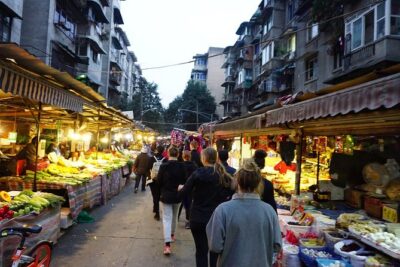
Half-Day Chengdu Cooking Class with a Local Market Visit
Read our review →

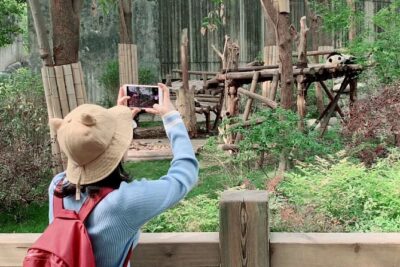
Private Half-Day Chengdu Panda Breeding Center Tour with Optional Volunteer
Read our review →
Sichuan Opera Shu Feng Yan Yun Evening Show Ticket
Read our review →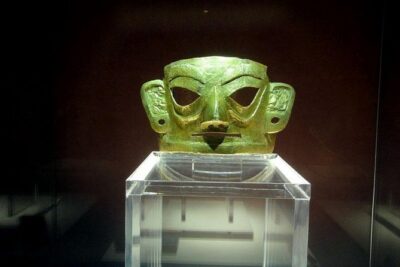
Private Chengdu Day Tour: Giant Pandas and Jinsha Site Museum
Read our review →
Visiting Dujiangyan Yaan Wolong Panda Base Optional Volunteering
Read our review →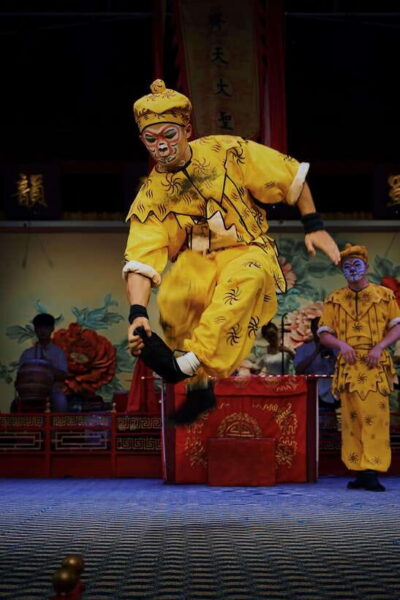
Chengdu Sichuan Opera Show Ticket – Shu Feng Ya Yun
Read our review →Browse the lists this tour appears in