
Reviewed · LAMA TEMPLE TOURS
Beijing: Lama Temple (Yonghe Temple) Admission Ticket
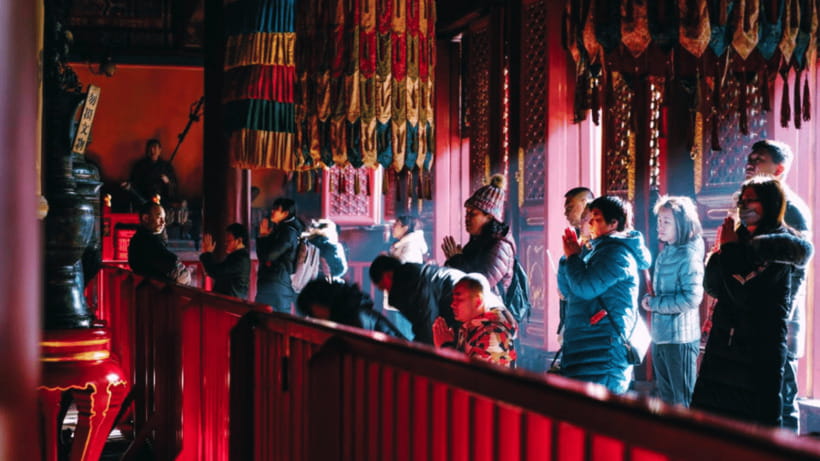
Beijing’s Lama Temple is one of those places where religion is not sealed behind glass. People still come to burn incense, bow before the statues, and pray in the courtyards. I like the 18-meter sandalwood Buddha, and I like that this is a self-guided visit, so you can pause where the atmosphere feels strongest. The main catch is that the QR code from GetYourGuide is not itself the ticket, so you must send your passport details and wait for confirmation from PANDA144.
I also like the modest $10 price and the advance entry arrangement, especially if you want to avoid handling the booking at the gate. The temple is not huge, and you can see the main buildings in a day, but holiday crowds can be heavy, particularly when many local worshippers arrive to pray.
Key points to know before you go
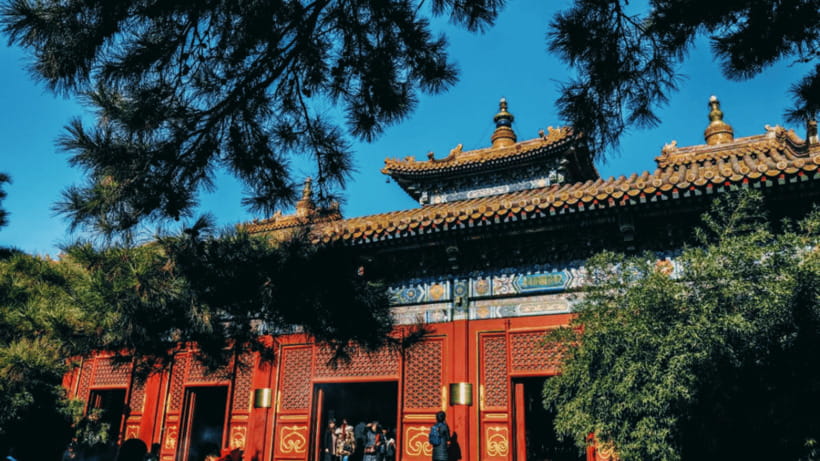
- See the 18-meter sandalwood Maitreya Buddha: This single-piece statue is the temple’s great visual prize and has held a Guinness World Records place since 1990.
- Enter a working place of worship: Incense, prayers, and daily religious practice give the complex a feeling that a museum cannot provide.
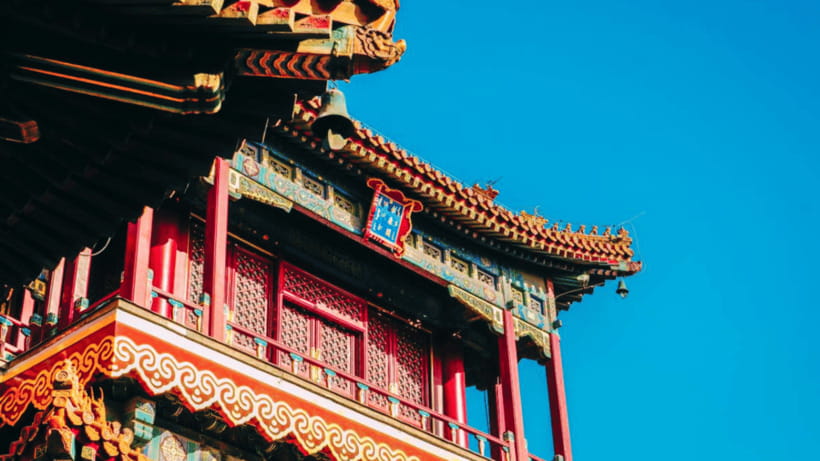
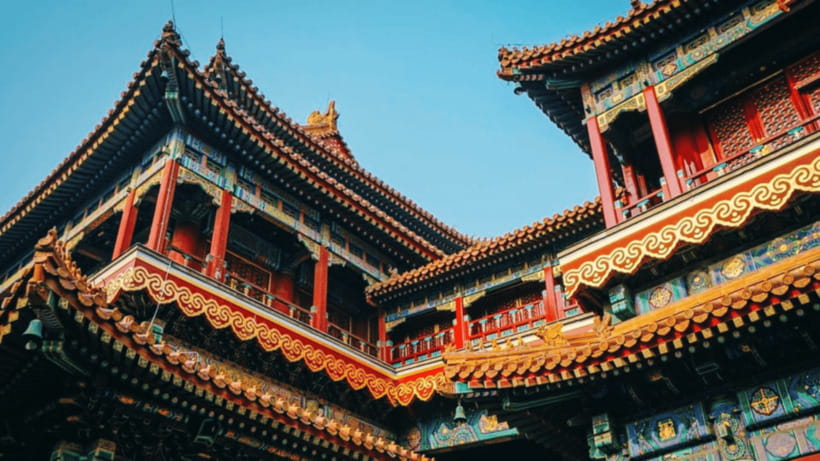
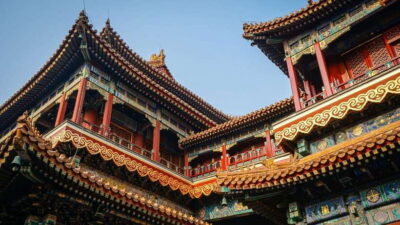
- Trace four architectural traditions: Han, Manchu, Tibetan, and Mongolian design details appear across the halls, roofs, gateways, and decorative work.
- Use the advance booking carefully: Send your passport name and number, then wait for the actual ticket by email or WhatsApp.
- Plan around security and closing time: Fast-track ticket entry does not remove the security check, and final entry is one hour before closing.
- Go independently: No guide or audio guide is included, but a short electronic guide may be sent with the ticket.
Why Lama Temple feels different from a palace visit
The Lama Temple, or Yonghe Temple, began in 1694 during the reign of the Kangxi Emperor. Before becoming a major Tibetan Buddhist temple, it was connected to the imperial household and served as the residence of the future Yongzheng Emperor.
That past explains the grand scale. This is not a tiny neighborhood shrine squeezed between modern buildings. You move through formal gateways, courtyards, halls, and exhibition spaces, with the order and ceremony you would expect from an imperial site.
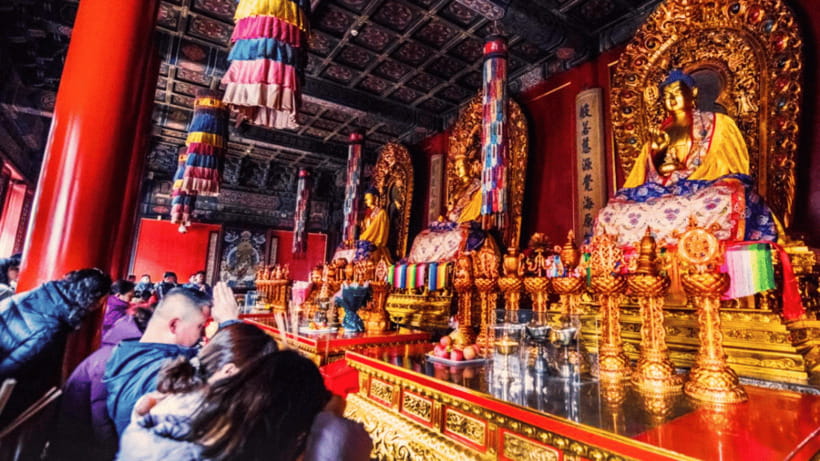
Yet the temple does not feel like a vacant palace. People still use it for worship. You may see incense smoke rising near the prayer areas and local people making offerings. That living religious purpose is one of the best reasons to visit. You are not only looking at architecture from the past. You are watching a place that still matters to people today.
The temple became a Tibetan Buddhist institution in 1744 during the reign of the Qianlong Emperor. Its buildings and objects reflect a meeting of traditions. Han Chinese forms sit alongside Manchu, Tibetan, and Mongolian influences, giving the complex an appearance that is more varied than a standard imperial compound.
More Lama Temple Tours in Beijing:
- Temple Heaven, Lama Temple, Summer Palace & Peking Duck Bus Tour
★ 5.0 · 377 reviews - Temple Heaven, Summer Palace, Lama Temple, Hutong Bus Tour
★ 4.7 · 319 reviews - Temple of Heaven, Summer Palace, Lama Temple, Hutong Tours
★ 5.0 · 311 reviews
The route through the main courtyards
Your visit begins at the entrance, where you show the confirmed ticket at the designated channel and pass through security. The advance ticket helps with the admission process, but it does not let you skip security. Do not bring pets, weapons, sharp objects, or explosive substances.
From there, the sequence of buildings gives the visit a natural rhythm. The three decorated archways introduce the complex, and each courtyard leads you toward a more important hall. You can walk at your own pace rather than follow a group or keep up with a guide.
The Yonghe Gate provides the formal start to the temple route. It is part of the architectural story, not just a passageway. Take a moment here to look at the roof decoration, painted details, and the way the gate frames the buildings beyond it.
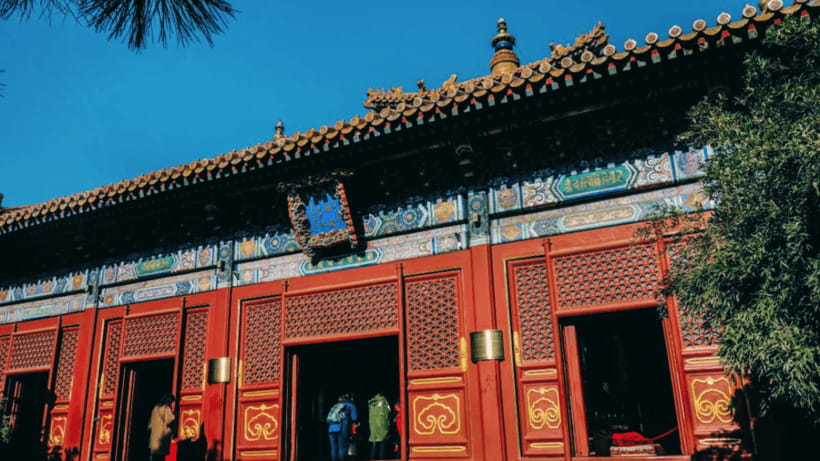
Next comes the Yonghe Palace Hall, one of the central buildings in the complex. The name reflects the site’s imperial connection, while its current purpose belongs to Tibetan Buddhist worship. The transition from palace residence to religious center is one of the most interesting threads running through the visit.
The complex also contains the Four Learning Halls:
- The Hall of Medicine Buddha
- The Mathematics Hall
- The Tantric Hall
- The Lecture Hall
These names hint at the broad role of the temple. It was not simply a place for short prayers. It also supported religious study, teaching, ritual practice, and Buddhist learning.
You will also find three exhibition rooms. Since this is a self-guided visit, the amount of time you spend in them depends on your interest in Buddhist objects, temple history, and visual detail. If you prefer to move quickly, the courtyards and major statues are the main draw. If you like to read and study artifacts, the exhibitions give the visit more depth.
The 18-meter sandalwood Buddha
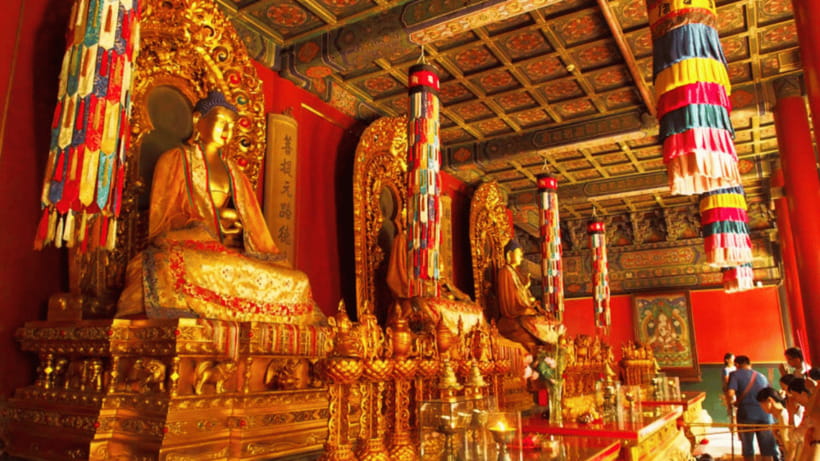
The most famous object inside Lama Temple is the enormous Maitreya Buddha carved from one piece of sandalwood. The statue rises 18 meters and has been listed in the Guinness World Records since 1990.
This is the moment to slow down. The statue’s size is impressive, but the construction is just as remarkable. One piece of sandalwood was shaped into a figure tall enough to dominate the hall. You may find it difficult to take in the full height from close range, so look at the statue as a whole before studying the smaller details.
The Buddha is also a good reminder that this is a sacred site, not only a sightseeing stop. Keep your voice low in the halls, follow any posted instructions, and be considerate around people praying. Photography rules can vary by area, so pay attention rather than assuming every object can be photographed.
The temple contains many other Buddha statues, thangkas, and precious religious objects. The material quality and careful decoration reward a slow walk. You do not need expert knowledge to appreciate them, but a little patience helps. Look at the colors, carved surfaces, roof lines, and the relationship between the buildings and the statues inside.
An active temple, not a staged attraction
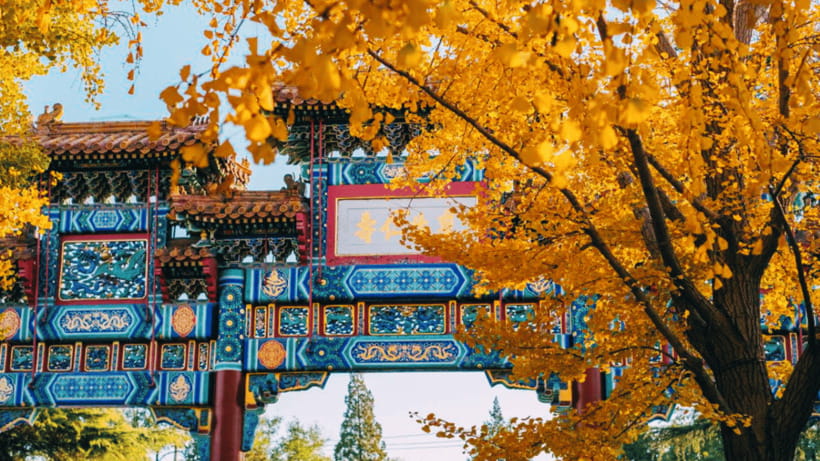
I particularly like the contrast between the grand architecture and the ordinary acts of devotion. The atmosphere can be quiet and solemn, but it is not lifeless. Incense smoke may hang over the prayer areas as people light incense and make offerings.
That smoke is part of the experience, though it may not suit everyone. If you are sensitive to incense, keep your visit flexible and avoid lingering in the heaviest areas. The temple can also become crowded when many people come to pray, especially around major holidays. January 1 was described as particularly busy, with many worshippers filling the site.
This is useful context when planning your visit. A crowded day does not necessarily make the temple less meaningful, but it changes the experience. You will have less quiet time in front of the halls, and moving through the courtyards may take longer. On a busy day, treat the temple as a living religious center rather than expecting a silent museum.
The atmosphere is often calm despite the number of people. That comes partly from the layout. The succession of courtyards spreads people through the complex, while the buildings create clear pauses between one part of the visit and the next.
A few more Beijing days worth a look
- From Beijing: Mutianyu Great Wall Tours with Options
★ 4.9 · 9,216 reviews - Beijing: Forbidden City Tour(Group/Private)-Tickets Included
★ 4.8 · 7,974 reviews - Beijing: T-Square & Forbidden City Group or Private Tour
★ 4.8 · 4,446 reviews - Beijing: Mutianyu Great Wall Daily Tour with Ticket & Lunch
★ 5.0 · 3,056 reviews
What the $10 ticket is really buying you
At $10 per person, this is a low-cost way to visit one of Beijing’s best-known religious sites. The price includes fast-track entry, access to the major temple buildings and exhibitions, and the reservation fee.
The main value is convenience. You do not need to arrange the admission yourself at the gate, and PANDA144 handles the advance purchase. Several bookings were sent on the day of the visit, often by WhatsApp, with some people receiving a short guide and practical information.
That convenience matters most if you are unfamiliar with Beijing’s booking system or are arranging several sights in a short stay. It also helps if you want to make sure the temple is part of a tightly planned day.
This is not a guided tour. No guide or audio guide is included, and no transport is provided. You are paying for admission and booking assistance, not for an expert explanation of Tibetan Buddhism or a structured group itinerary.
For some people, that is ideal. You can enter, look closely at the halls, pause for prayer, and move on when you are ready. If you want historical context at every stop, you will need to read the supplied information or arrange your own guide.
Booking details that matter
The passport requirement is important. Real-name ticket booking is mandatory, so you must send your full name exactly as it appears on your passport along with your passport number.
Do this promptly. If the provider does not receive the information in time, the booking can be canceled and a cancellation fee may apply. Bring your passport to the temple, since the gate accepts genuine identification details.
The GetYourGuide QR code is not the valid admission ticket. Wait for the confirmation email or the WhatsApp message from PANDA144, then use the ticket and the instructions supplied there. This is the single most important practical point in the booking process.
The service has earned strong praise for quick communication. Ticket delivery may come on the morning of the visit or on the day itself, which is convenient but can feel uncomfortably close if you like to have every document days ahead. Check your email and WhatsApp before leaving for the temple.
If plans change, free cancellation is available up to 24 hours in advance for a full refund. A last-minute change may not receive the same treatment, so do not assume that a late cancellation or missing passport information will be cost-free.
Timing your visit around the one-day ticket
The activity is listed as lasting one day, but that means you have a day in which to use the admission rather than a guided tour lasting a full day. Check the available starting times when booking.
Give yourself enough time to pass security and walk through the entire complex without rushing. The last entry is one hour before closing, and everyone must leave 30 minutes before closing. That makes a late arrival a poor choice, particularly if you want to see the exhibitions and spend time in the main halls.
The temple can be visited independently, so you do not need to arrive at a fixed group departure time. Still, check the specific entry instructions in your confirmation. The ticket is designed to make admission orderly, not to replace basic planning.
A morning or earlier visit may be more comfortable if you want to see the architecture with less pressure. Busy religious dates can change that calculation, since local worshippers may arrive in large numbers. The supplied information does not promise a quiet period, so plan for some variation.
Who will enjoy this visit most
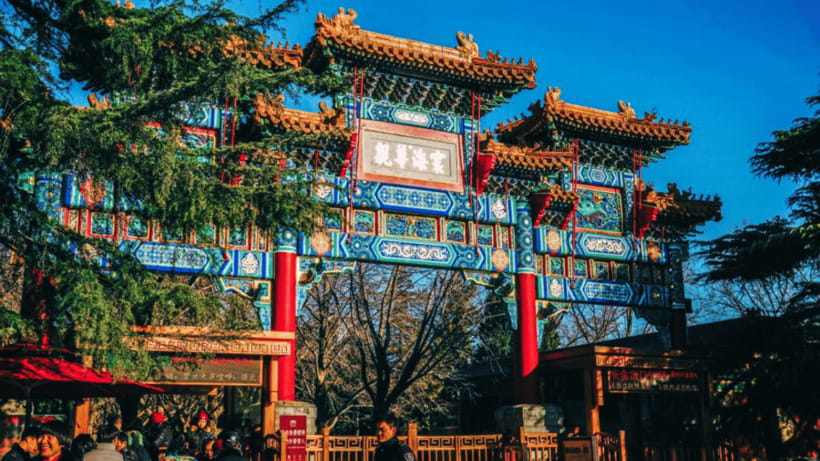
I would recommend Lama Temple to anyone interested in religious architecture, Buddhist art, imperial Beijing, or places where local worship is still visible. It works particularly well for independent visitors who prefer to set their own pace.
Families can also make good use of the flexible format, though the religious setting calls for respectful behavior. The famous Buddha gives children a clear visual focus, while the gateways and courtyards make the visit easier to understand than a room-by-room museum.
This is also a good choice if you have limited time in Beijing and want a cultural site that does not require a full-day guided program. The $10 cost keeps it accessible, and the booking service removes some of the uncertainty around buying a real-name ticket.
I would be more cautious if you want a detailed lecture, private interpretation, or transport from your hotel. None of those are included. You will need to arrange your own way there and use the written information supplied with the ticket.
Wheelchair access is available. The site is also open to people who simply want to observe rather than take part in worship, but respectful conduct is essential around the prayer halls and incense areas.
Should you book the Lama Temple ticket?
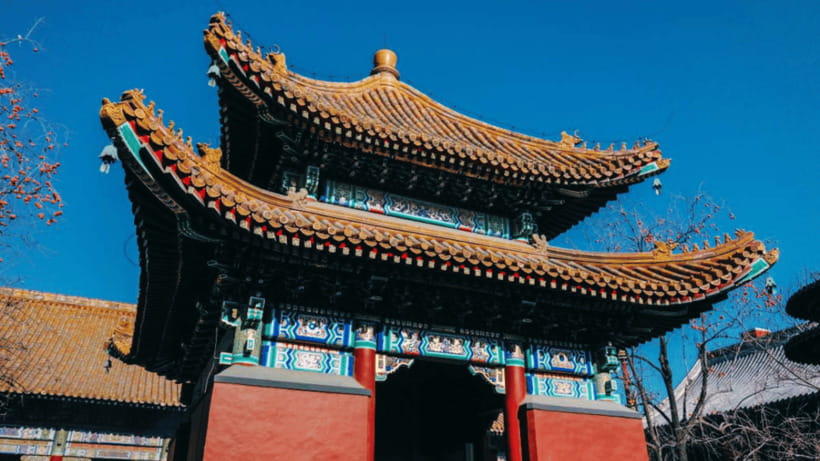
Book it if you want a convenient, self-guided visit to an important Beijing temple for about $10. The strongest reasons are the large sandalwood Buddha, the mix of imperial and Tibetan Buddhist design, and the chance to see people using the site for prayer today.
The ticket is especially useful if you do not want to handle the admission process yourself. Just send your passport details early, wait for the actual confirmation, and do not mistake the initial QR code for the entry ticket.
Skip this option if you require a guided explanation or want a tour with transport. For everyone else, Lama Temple offers an easy way to spend part of a Beijing day among beautiful halls, serious religious art, and a living tradition.
FAQ
What is included in the Lama Temple ticket?
The ticket includes fast-track entry to Lama Temple, access to the major temple buildings and cultural exhibitions, and the reservation fee.
Does the ticket include a guided tour?
No. A guided tour and audio guide are not included. You visit independently.
Is the GetYourGuide QR code the valid entry ticket?
No. The QR code is not the valid ticket. You must wait for the confirmation email or WhatsApp message with the actual ticket and entry instructions.
What identification do I need?
You need your passport. The booking requires your full name as it appears on your passport and your passport number, and genuine ID information is required at the ticket gate.
Can I cancel for a full refund?
Yes. You can cancel up to 24 hours in advance for a full refund.
Does the ticket let me skip security checks?
No. The fast-track arrangement applies to the ticket line, but you still must pass through security checks before entering.
How late can I enter Lama Temple?
Final entry is one hour before closing. Everyone must leave 30 minutes before closing.
What can I see inside the temple?
You can visit the three archways, Yonghe Gate, Yonghe Palace Hall, the Four Learning Halls, three exhibition rooms, Buddhist statues, thangkas, and the 18-meter sandalwood Maitreya Buddha.
Is Lama Temple wheelchair accessible?
Yes. The activity information states that Lama Temple is wheelchair accessible.
Newly listed around Beijing
- Beijing: Summer Palace Ticket; fast and smooth★ 3.6 · 38 reviews
- Beijing: Summer Palace Entry Ticket★ 3.3 · 3 reviews
- Beijing: Summer Palace Highlight Walking Tour★ 4.8 · 25 reviews
- Beijing: Summer Palace, Sacred Road&Ming Tombs Private Tour★ 5.0 · 8 reviews
- Beijing: Summer Palace 3 Hours Guided Tour with Entry Ticket★ 4.8 · 4 reviews
- Beijing Private Tour: Summer Palace, Panda House and Options★ 5.0 · 21 reviews
- Beijing: Summer Palace Entrance(combo/tour opt)★ 4.7 · 6 reviews
- Beijing Royal Banquet with Chinese culture prefermance★ 5.0 · 3 reviews
Lama Temple Tours, compared.
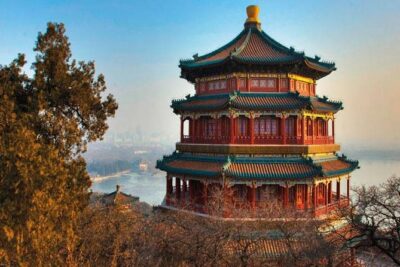
Temple Heaven, Lama Temple, Summer Palace & Peking Duck Bus Tour
Read our review →
Temple Heaven, Summer Palace, Lama Temple, Hutong Bus Tour
Read our review →
Temple of Heaven, Summer Palace, Lama Temple, Hutong Tours
Read our review →
Beijing Historical Tour II including Summer Palace, Lama Temple & Panda Garden
Read our review →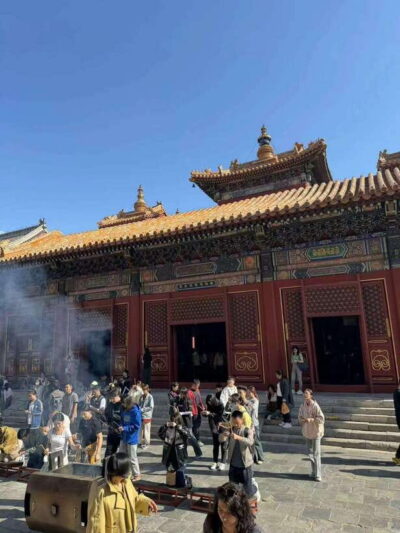
Beijing Lama temple ticket; #1 efficacious; limited Discount
Read our review →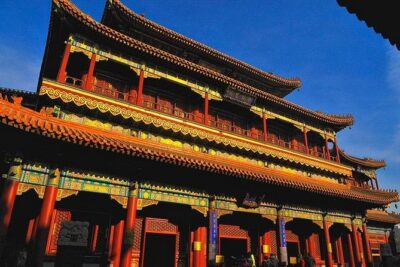
Panda House, Temple of Heaven, Lama Temple, Summer Palace & Lunch
Read our review →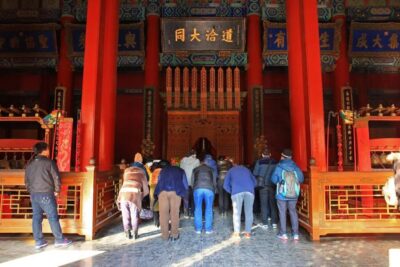
Lama Temple, Confucius Temple and Guozijian Museum
Read our review →Browse the lists this tour appears in