
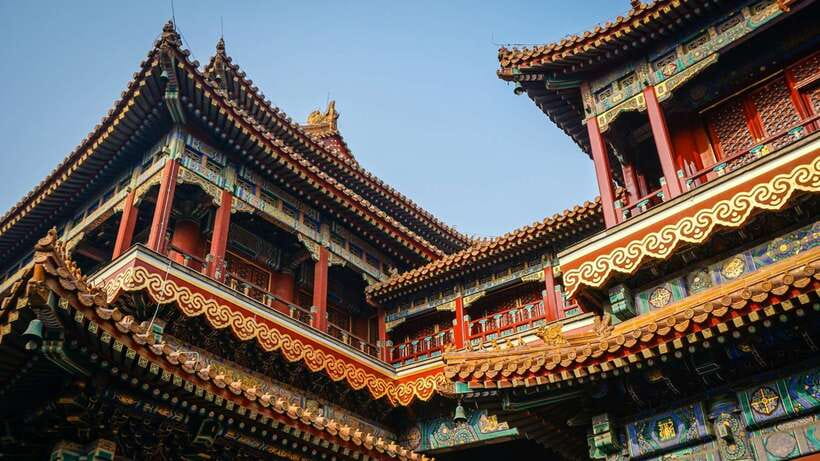
Reviewed · LAMA TEMPLE TOURS
Beijing Lama temple ticket; #1 efficacious; limited Discount
Beijing’s Lama Temple is more than a pretty old building. It is a working Buddhist temple where people come to pray, ask for blessings, and reflect. The most striking sight is the 18-meter Maitreya Buddha, carved from one enormous piece of sandalwood. That single statue gives the visit a clear focal point, but the halls, carvings, incense, and bright architectural details keep pulling your eyes in new directions.
I like two things here. First, the temple brings Han Chinese and Tibetan styles together in one compact cultural site. Second, it gives you a chance to see a real place of worship rather than a museum display. The main thing to consider is that the temple can feel less like a quiet sightseeing stop and more like entering someone’s active spiritual space. Also, book at least 24 hours ahead and check your ticket carefully, since one booking problem involved a code that did not work at the entrance.
Key points to know before you go
- The Maitreya Buddha is the main visual prize: The 18-meter figure was carved from a single sandalwood tree.
- The temple is still used for worship: Expect incense, prayers, blessings, and people attending to their own spiritual business.
- Architecture mixes two traditions: Han Chinese and Tibetan Buddhist details appear throughout the complex.
- The ticket covers the main entrance: No guide, transport, or additional service is listed as included.
- Book at least 24 hours in advance: Same-day planning may not work for this ticket.
- The ticket is valid for one day: You can check available starting times before booking.
Why the Lama Temple matters in Beijing
The Lama Temple, also called Yonghe Temple, is one of Beijing’s best-known Tibetan Buddhist sites. It draws more than three million people a year, and its appeal is easy to understand: you get grand religious architecture, active worship, and a clear sense of local custom in one visit.
For many people in Beijing, this is the city’s top place for making wishes. That gives the temple a different mood from a palace or a formal monument. You are not only looking at painted beams and carved figures. You are also watching people pray, light incense, and seek blessings.
I find that distinction useful when deciding how to behave here. Treat the site as a place of worship first and a sightseeing attraction second. Keep your voice low, avoid blocking people who are praying, and take your time with the visual details without turning every moment into a photograph.
More Lama Temple Tours in Beijing:
- Temple Heaven, Lama Temple, Summer Palace & Peking Duck Bus Tour
★ 5.0 · 377 reviews - Temple Heaven, Summer Palace, Lama Temple, Hutong Bus Tour
★ 4.7 · 319 reviews - Temple of Heaven, Summer Palace, Lama Temple, Hutong Tours
★ 5.0 · 311 reviews
Entering a Han Chinese and Tibetan Buddhist world
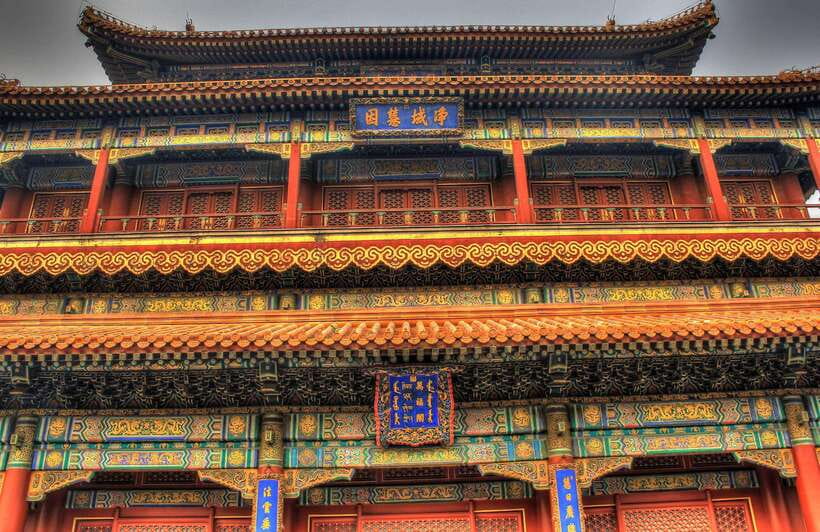
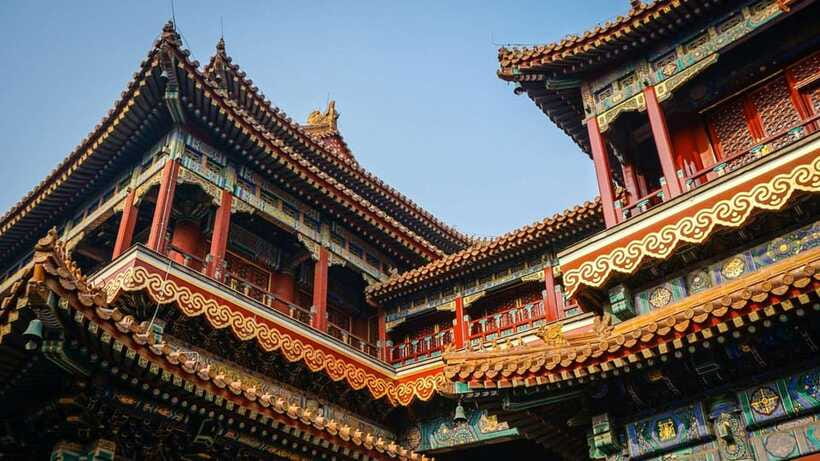
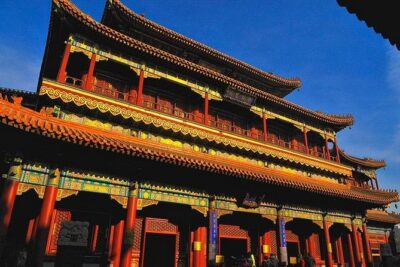
The temple’s architecture is one of its strongest features. Its design combines Han Chinese forms with Tibetan Buddhist decoration, producing a setting that feels both familiar and unusual if you have seen Beijing’s imperial buildings but not many Tibetan Buddhist temples.
Expect rich decoration, vivid colors, detailed carvings, and halls shaped by different religious traditions. The appeal is not based on one grand exterior view. It comes from the steady sequence of details as you move through the complex.
The ticket gives you access to the main entrance, but it does not include a guide. That means the visit works best if you enjoy looking closely and forming your own impressions. You will see the architecture, religious activity, and statues, but you should not expect an organized explanation in English or another language from this ticket alone.
The supplied information lists languages as part of the booking details, but it does not name a guide or describe guided commentary. In practical terms, plan for a self-guided visit unless you arrange another guide separately.
The 18-meter Maitreya Buddha
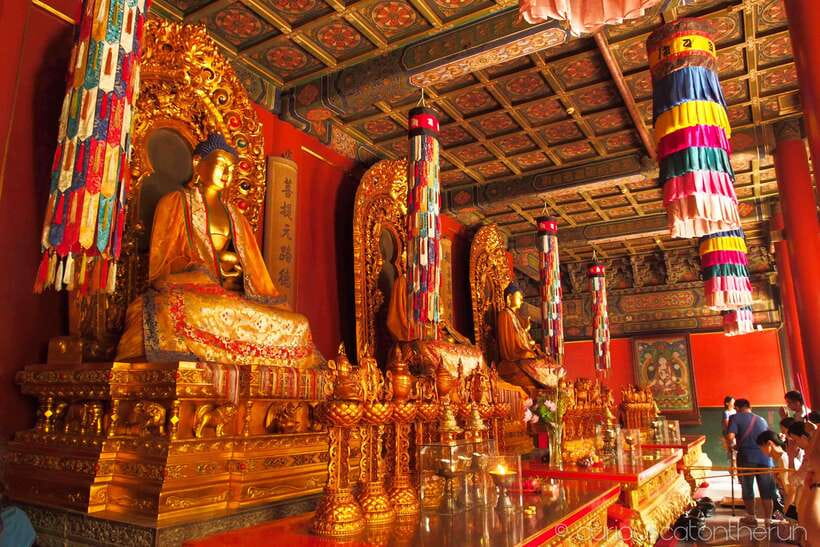
The Maitreya Buddha is the temple’s headline sight. At 18 meters tall, it is large enough to dominate the hall and give the visit a strong sense of scale. The unusual detail is that the statue was carved from a single piece of sandalwood.
That construction is worth remembering when you see it. You are not looking at a statue assembled from several sections. The figure represents one enormous piece of wood shaped into a religious image, which makes the workmanship and the material part of the experience.
I would give this hall plenty of time. Large religious statues can become quick photo stops, but the Buddha is better understood by looking at the relationship between the figure, the hall, and the people who come to pray. Since the temple remains an active spiritual center, the room may feel solemn, busy, or both.
Photography and personal space matter here. The information provided does not specify photography rules, so follow signs and staff instructions on the day. If people are praying, give them room and avoid treating the ritual as a performance staged for visitors.
Incense, prayer, and the living temple atmosphere
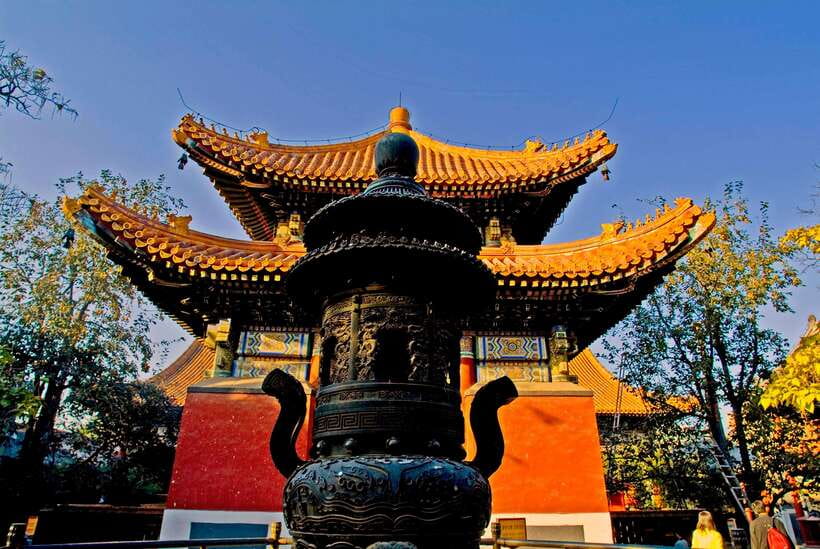
The Lama Temple is known for its incense-filled air and the sound of chanting monks. Those details shape the visit as much as the architecture does. You may notice the smell of incense before you fully take in the next hall, and the mood can shift from visual interest to quiet reflection.
This is also where the temple’s main drawback becomes part of its character. One visitor described the feeling of entering a private spiritual setting and watching local people attend to their own prayers. That reaction is understandable. If you are looking for a purely polished attraction, the active worship may feel intrusive or uncomfortable.
I see it differently, but you should make your own call. The presence of worshippers gives the site meaning, yet it requires restraint from you. Watch from a respectful distance, keep your voice down, and remember that the temple’s purpose is not simply to entertain sightseers.
The cultural value is strongest for visitors who want to understand how a religious site fits into city life. You might come away with less of a checklist feeling and more of a sense that Beijing’s spiritual traditions are still part of everyday life.
A few more Beijing days worth a look
- From Beijing: Mutianyu Great Wall Tours with Options
★ 4.9 · 9,216 reviews - Beijing: Forbidden City Tour(Group/Private)-Tickets Included
★ 4.8 · 7,974 reviews - Beijing: T-Square & Forbidden City Group or Private Tour
★ 4.8 · 4,446 reviews - Beijing: Mutianyu Great Wall Daily Tour with Ticket & Lunch
★ 5.0 · 3,056 reviews
How to shape a one-day visit
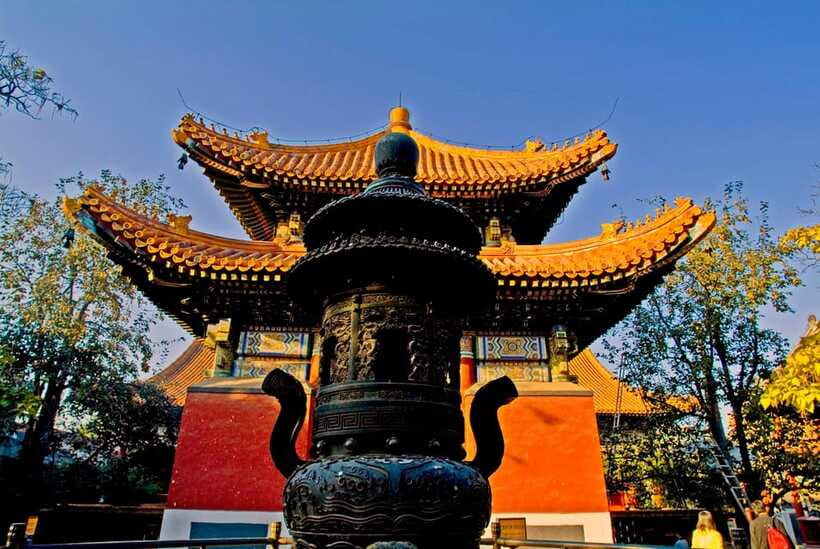
The ticket is valid for one day, and the activity is listed as lasting one day rather than as a timed guided tour. Available starting times can be checked before booking. Since no detailed schedule is provided, you have flexibility in how you fit the temple into your Beijing plans.
I would treat it as a focused cultural stop rather than a full-day guided program. The ticket itself only covers the main entrance, so the experience is built around your time inside the temple complex. You can slow down for the architecture, spend extra time with the Maitreya Buddha, and pause when the temple atmosphere becomes more reflective.
The surrounding area can also add context. A South Korean visitor specifically paired the temple with the nearby hutongs, Beijing’s traditional alley neighborhoods. The ticket does not include a hutong visit, but combining the two makes practical sense if you want to see both a major religious site and an older form of city life in the same outing.
No transport is included, and no meeting service or group itinerary is described. Plan your own way to the temple and allow enough time to find the entrance. The ticket is simple, but it is not a complete tour package.
Is the $10 ticket good value?
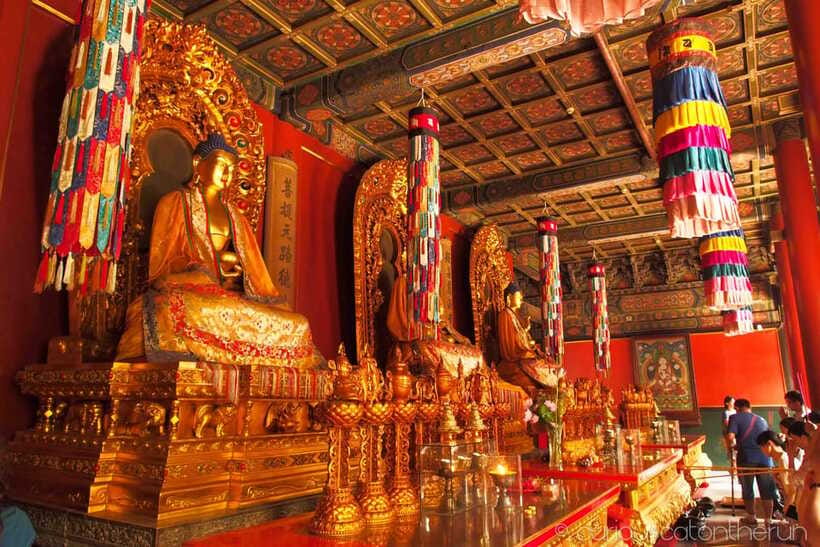
At $10 per person, the ticket is reasonably priced for access to one of Beijing’s best-known religious sites. The value comes from the quality and variety of what you can see: a major Buddhist temple, a blend of architectural traditions, an 18-meter sandalwood statue, and an active setting for prayer and blessings.
The price is especially fair if you already plan to be in Beijing and want a self-guided cultural visit. You are paying for entry, not for transport, commentary, meals, or a private experience. That keeps the cost low, but it also means you need to manage the visit yourself.
The value is less clear if you expect a guided tour with detailed historical explanation. No guide is included, and no named guide is provided. You may get more from the ticket if you prepare by reading about the temple beforehand or arrange a separate guide.
The overall rating is 3.7 from 116 reviews, which suggests a mixed but generally worthwhile experience. The strong scores focus on the beauty of the temple and the cultural detail. The low score points to a practical ticket issue rather than a complaint about the temple itself. That distinction matters: the attraction may be excellent, but a bad redemption process can spoil the day.
Booking ahead and avoiding ticket trouble
The clearest instruction is to book at least 24 hours in advance. Do not leave this ticket until the morning of your visit. Check the available starting times and make sure the date matches your Beijing schedule.
One Mexican customer reported having to queue twice because the provided code did not work. The complaint also asked for a refund. This is the most important practical warning in the available information, even though it appears to be a booking or redemption problem rather than a criticism of the Lama Temple.
I would keep your booking confirmation easy to access and check the ticket details before setting out. If the code or entry instructions look unclear, contact the provider before you reach the temple. The provider is Fun China, and the ticket is sold with free cancellation up to 24 hours in advance.
The reserve-now-and-pay-later option may help if your plans are still shifting. You can reserve your place without paying immediately, then keep the schedule flexible within the stated cancellation terms. That is useful in Beijing, where a full day of sightseeing can change quickly.
Who will enjoy this visit most
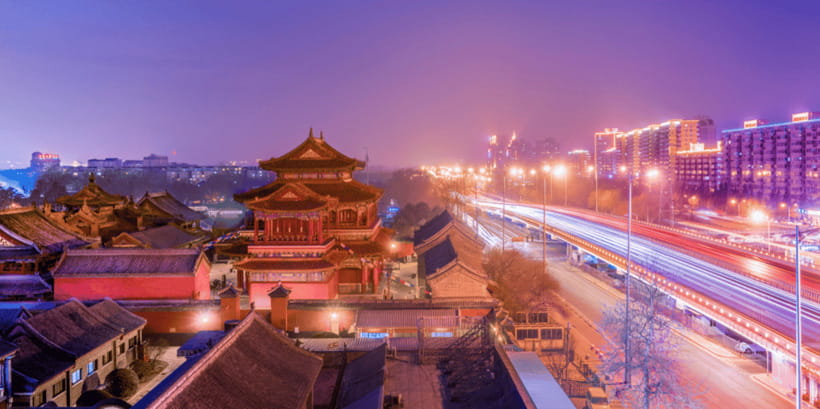
This ticket suits you if you like religious buildings, visual detail, and places that still serve a local purpose. It is a good choice for people who want to see more than imperial palaces and major public squares.
You will probably enjoy it most if you are comfortable exploring without a guide. The site gives you plenty to look at, but the ticket does not promise explanations, a set route, or a named tour leader.
It also suits visitors interested in the meeting of Han Chinese and Tibetan Buddhist design. The temple’s architecture is not just decorative background. It is the clearest way to see how different cultural traditions appear in one religious complex.
Families and older visitors may appreciate that the activity is wheelchair accessible. Still, the information does not describe every surface, restroom, or interior route, so you may want to confirm specific access needs before booking.
This may not be the right choice if you want a quiet, empty attraction or a tightly managed tour. The temple receives very large numbers of visitors and is an active place of worship. Its human activity is part of the point, but it can also make the visit feel less private and less controlled.
Should you book the Lama Temple ticket?
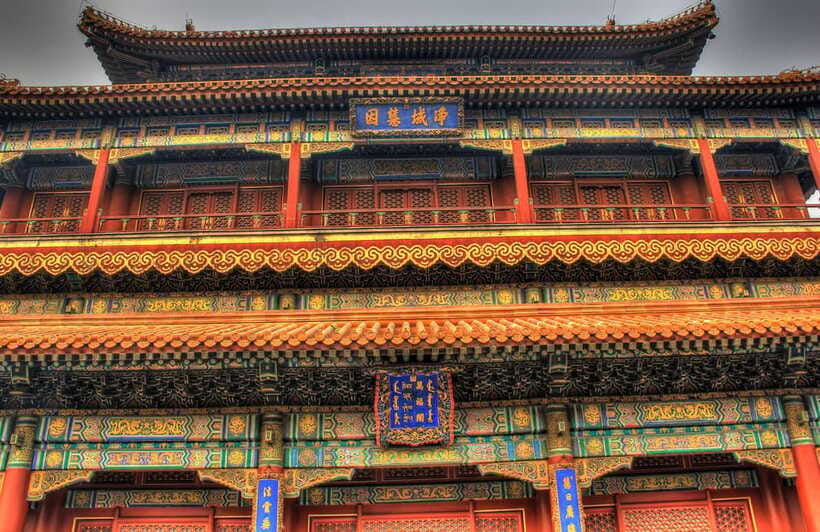
I would book it if you want a low-cost, self-guided look at one of Beijing’s major Buddhist sites. The single-piece sandalwood Buddha, the blend of Han and Tibetan styles, and the chance to see real prayer practices give the visit substance beyond decoration.
Book at least 24 hours ahead, check the entry details, and keep your confirmation close at hand. If you want expert commentary, arrange a guide separately, since this ticket only covers the main entrance.
Skip it if you prefer a fully organized tour or feel uncomfortable visiting an active religious setting. For everyone else, the $10 price makes this a sensible cultural stop, especially when paired with a walk through nearby hutongs.
FAQ
What is included in the Lama Temple ticket?
The ticket includes the main entrance to the Lama Temple, also known as Yonghe Temple.
How much does the ticket cost?
The listed price is $10 per person.
How long is the ticket valid?
The ticket is valid for one day.
How far in advance should I book?
You should book at least 24 hours in advance.
Is the ticket refundable?
You can cancel up to 24 hours in advance for a full refund.
Can I reserve now and pay later?
Yes. The booking option allows you to reserve your spot and pay nothing today.
Is the Lama Temple wheelchair accessible?
Yes, the activity is listed as wheelchair accessible.
Is a guide included?
No guide is listed as included. The ticket covers the main entrance.
What is the main sight inside the temple?
The main highlight is an 18-meter Maitreya Buddha carved from a single piece of sandalwood.
Newly listed around Beijing
- Beijing: Summer Palace Ticket; fast and smooth★ 3.6 · 38 reviews
- Beijing: Summer Palace Entry Ticket★ 3.3 · 3 reviews
- Beijing: Summer Palace Highlight Walking Tour★ 4.8 · 25 reviews
- Beijing: Summer Palace, Sacred Road&Ming Tombs Private Tour★ 5.0 · 8 reviews
- Beijing Private Tour: Summer Palace, Panda House and Options★ 5.0 · 21 reviews
- Beijing: Summer Palace Entrance(combo/tour opt)★ 4.7 · 6 reviews
- Beijing: Summer Palace 3 Hours Guided Tour with Entry Ticket★ 4.8 · 4 reviews
- Beijing Royal Banquet with Chinese culture prefermance★ 5.0 · 3 reviews
Lama Temple Tours, compared.
Temple Heaven, Lama Temple, Summer Palace & Peking Duck Bus Tour
Read our review →
Temple Heaven, Summer Palace, Lama Temple, Hutong Bus Tour
Read our review →
Temple of Heaven, Summer Palace, Lama Temple, Hutong Tours
Read our review →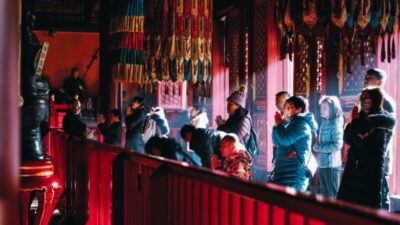

Beijing Historical Tour II including Summer Palace, Lama Temple & Panda Garden
Read our review →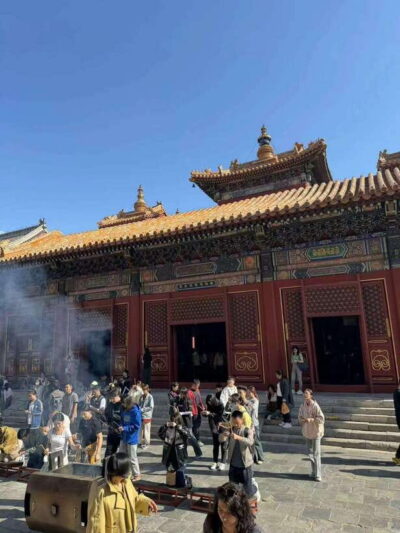
Panda House, Temple of Heaven, Lama Temple, Summer Palace & Lunch
Read our review →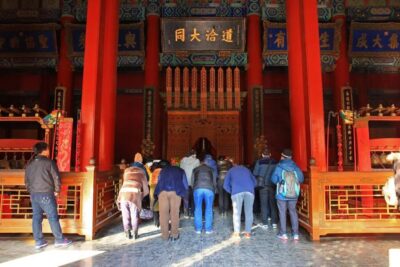
Lama Temple, Confucius Temple and Guozijian Museum
Read our review →Browse the lists this tour appears in