
Reviewed · HUTONG TOURS
Beijing Hutong Food Crawl Delights: Peking duck, Hotpot&More
Beijing’s best food stories are often told in small dining rooms, not polished restaurants. This three-hour evening tour takes you through the Dongsi hutongs for Peking duck, Mongolian hot pot, Yunnan rice noodles, and street snacks, with an English-speaking guide explaining what is on the table and why it matters. I like the live duck carving and the chance to eat in local hutong restaurants that can be hard to find on your own.
I also like the generous format: three full food stops plus roadside bites, with beer, soda, and featured drinks included. Guides such as Mike, Andy, Miko, and Anson have been praised for friendly conversation and clear English. The main drawback is simple: come hungry. With so many dishes in only three hours, the meal can feel like a food marathon, and the walking and restaurant pace may be brisk for some people.
Key details before you book
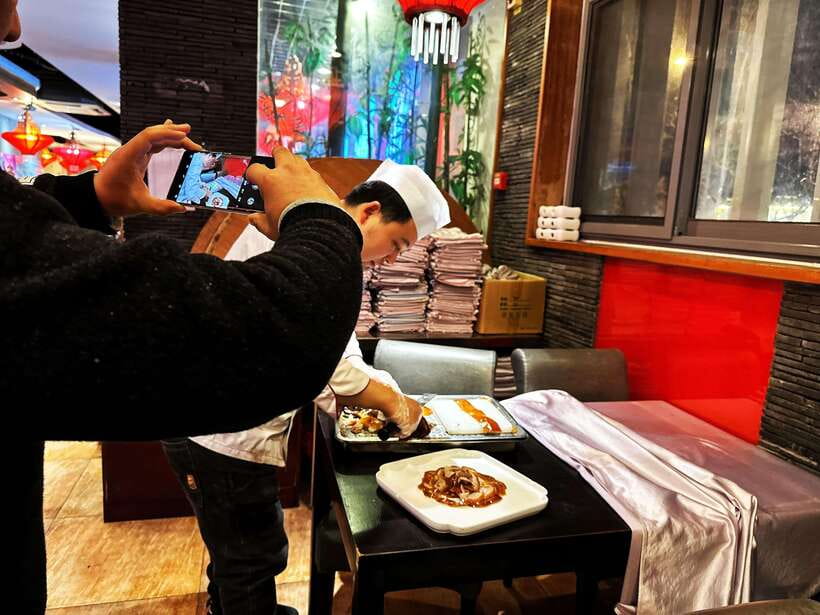
- Peking duck is carved in front of you, giving you a close look at one of Beijing’s signature dishes.
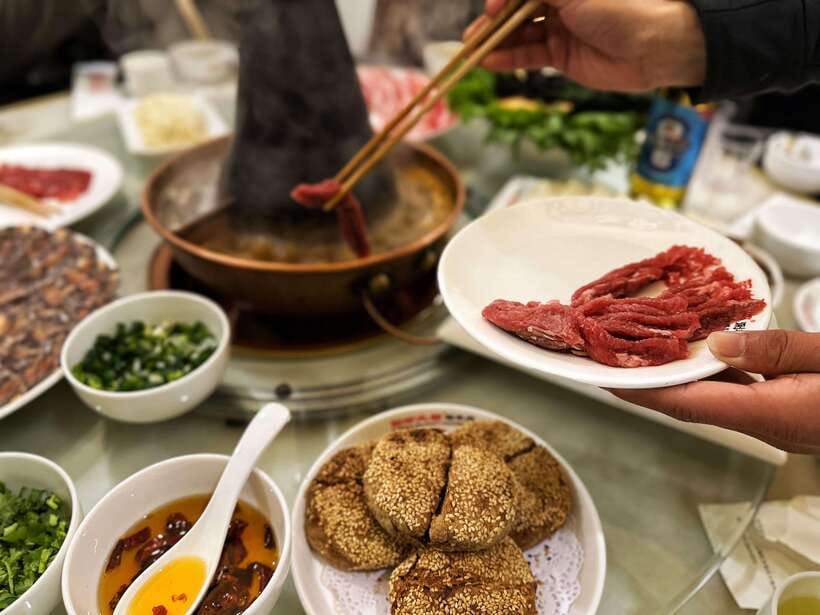
- Mongolian hot pot uses a copper pot with a charcoal-fired center, traditionally paired with thinly sliced mutton and dipping sauce.
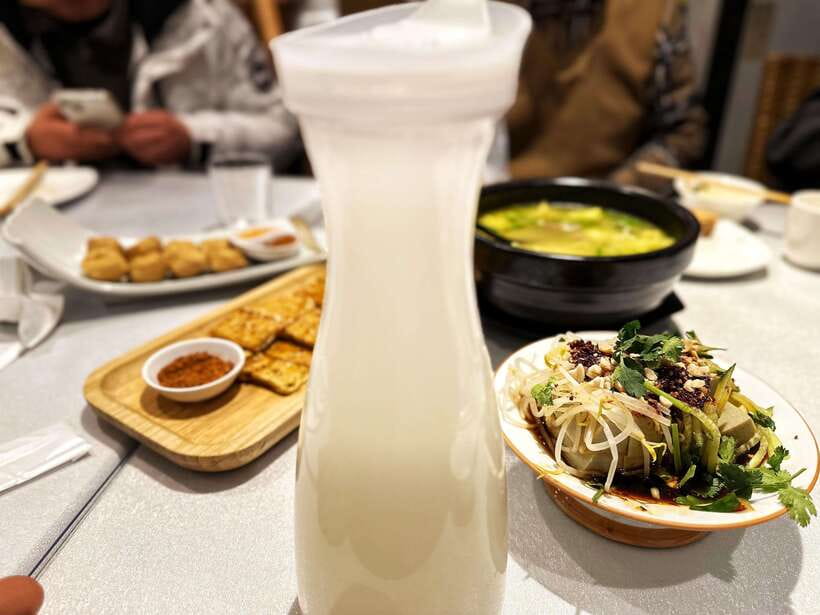
- Yunnan rice noodles provide a different regional flavor, with broth, fresh ingredients, roasted tofu, lotus root cakes, and other dishes.
- The route includes Dongsi hutongs and roadside snacks, so the evening is about local streets as much as restaurant meals.
- Small groups have fewer than 10 people, while private tours can include hotel pickup and return.
- Beer and sodas are included without a set limit, which adds value if you plan to enjoy the meal at a relaxed pace.
A Beijing dinner served in three very different chapters
This is not a single restaurant meal with a few sample plates. It is a moving dinner, built around three cuisines and a short walk through one of Beijing’s old residential districts.
The meeting point for group tours is Dongsi Subway Station Exit B. Dongsi is a useful starting place because the area still has narrow lanes and traditional courtyard homes alongside ordinary city life. Your guide introduces the hutongs as you walk, explaining how these lanes fit into Beijing’s culture and how food remains part of daily neighborhood life.
The route is designed for people who want more than a checklist of famous dishes. You get enough food to make up dinner, but the guide also gives you a way to understand the meal. That matters in China, where ordering customs, sauces, shared plates, and regional cooking styles may not be obvious at first glance.
You should expect some walking between stops and a mix of seated dining and brief street-food sampling. Bring comfortable shoes and check the weather before setting out.
More Food Tours in Beijing
- Beijing Hutong Walking Food and Beer Tour at Hidden Restaurants
★ 5.0 · 1,132 reviews - Beijing: Hidden Gems Guided Food Tour with Beer and Tastings
★ 4.9 · 306 reviews - Beijing Private Hutong Food Walking Tour
★ 5.0 · 299 reviews
Dongsi hutongs: the setting gives the meal its character
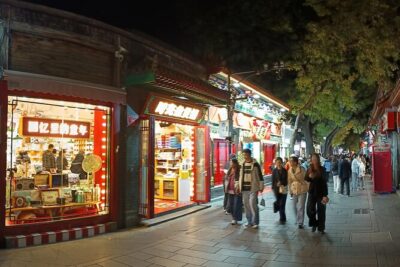
The first part of the evening takes place among the Dongsi hutongs. These narrow lanes are lined with traditional courtyard houses and quieter residential streets, giving you a look at Beijing away from its large avenues and major sights.
Your guide talks about the long history of the hutongs and points out features of the area as you walk. The cultural explanation is useful because the food stops are not isolated from the neighborhood. You are eating in places connected to the everyday life of the district, rather than simply visiting a restaurant selected for an international audience.
This part of the experience is also where a good guide makes the biggest practical difference. The restaurant entrances may not be obvious, and the food customs can be unfamiliar. Miko, Mike, Andy, Anson, and other guides have received strong praise for friendly conversation, good English, and their ability to explain local life alongside the dishes.
Do not expect a long architectural tour. The hutong walk is a short part of a food-focused evening, not a full historical sightseeing tour. Its value is in helping you see the neighborhood before you sit down to eat.
Peking duck: the showpiece first stop
Peking duck is the most recognizable dish on the route, and the restaurant visit begins with a live carving demonstration. A skilled chef slices the roasted duck in front of you, showing the crisp skin and tender meat that make the dish so prized.
The guide explains how to eat it and helps you choose other Beijing dishes to accompany the duck when the group has more than three participants. You can expect the duck to be shared at the table, rather than served as one large personal portion.
The usual ritual is part of the appeal. Thin slices of duck are eaten with accompaniments, and the contrast between crisp skin and soft meat is the point. Erguotou, a famous local spirit, is also associated with the classic Beijing duck experience. The tour description highlights it as a traditional pairing, but you should ask your guide what drinks are being served and choose according to your own preference.
This stop works well for first-time visitors because it combines food and performance. You do not just receive a plate and guess what to do. You see the preparation, learn the basic eating method, and get help with dishes that may not be familiar.
One thing to keep in mind is that Peking duck is only the first major meal of the night. It is tempting to eat a large amount here, especially if you love the crisp skin, but pacing yourself will make the hot pot and noodles more enjoyable later.
Mongolian hot pot: a social meal around the copper pot
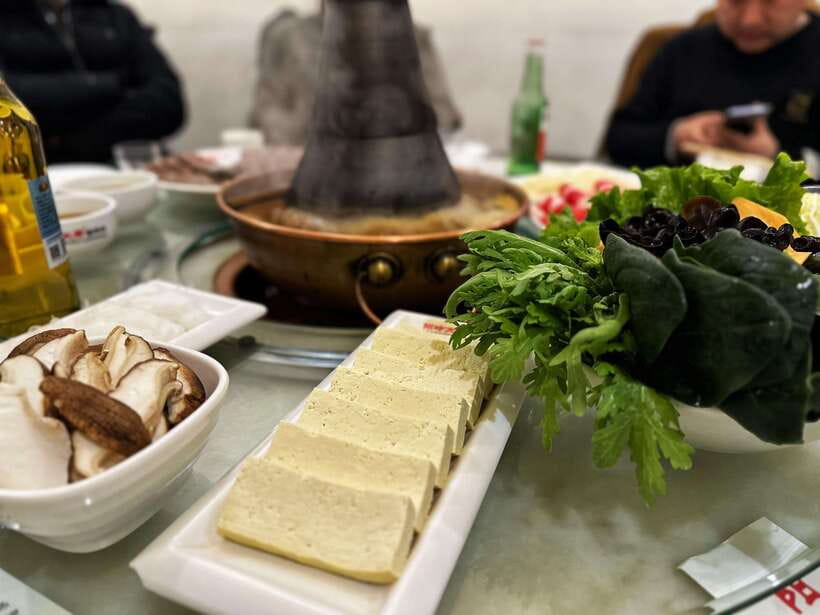
The next restaurant changes both the flavor and the rhythm. Mongolian hot pot arrives in a copper vessel with a charcoal-fired center that keeps the broth simmering. Thin slices of mutton are the main ingredient, with beef, chicken, vegetables, and mushrooms also available.
This is a meal you build as you go. Ingredients cook in the central pot, then are dipped into a sauce made with fermented bean curd, sesame paste, and, if you like heat, chili oil. Your guide can explain the ingredients and help you understand how the sauce changes the taste.
The hot pot is especially good for groups because the table becomes the focus. Everyone shares the cooking vessel, chooses ingredients, and adjusts the meal to suit their appetite. Cold beer is described as the classic drink with this stop, and beer and sodas are included as part of the tour.
For many visitors, the hot pot is the most interactive course. It also offers more flexibility than the duck. If mutton is new to you, you can try a small amount and then choose vegetables, mushrooms, beef, or chicken. If you enjoy strong flavors, the dipping sauce gives you room to add fermented, creamy, or spicy notes.
There are two practical cautions. Hot pot takes time, and the evening schedule still includes another restaurant. Also, the charcoal-fired pot may make the table feel warm, particularly in hot weather. The tour asks you to prepare for the conditions, so check the forecast and dress comfortably.
More Hutong Tours in Beijing:
- Temple Heaven, Summer Palace, Lama Temple, Hutong Bus Tour
★ 4.7 · 319 reviews - Temple of Heaven, Summer Palace, Lama Temple, Hutong Tours
★ 5.0 · 311 reviews - The Hutong Experience by Bike
★ 5.0 · 163 reviews - Beijing: Hutong Culinary Walking Tour with 15+ Tastings
★ 5.0 · 162 reviews
Roadside snacks: small bites between full meals
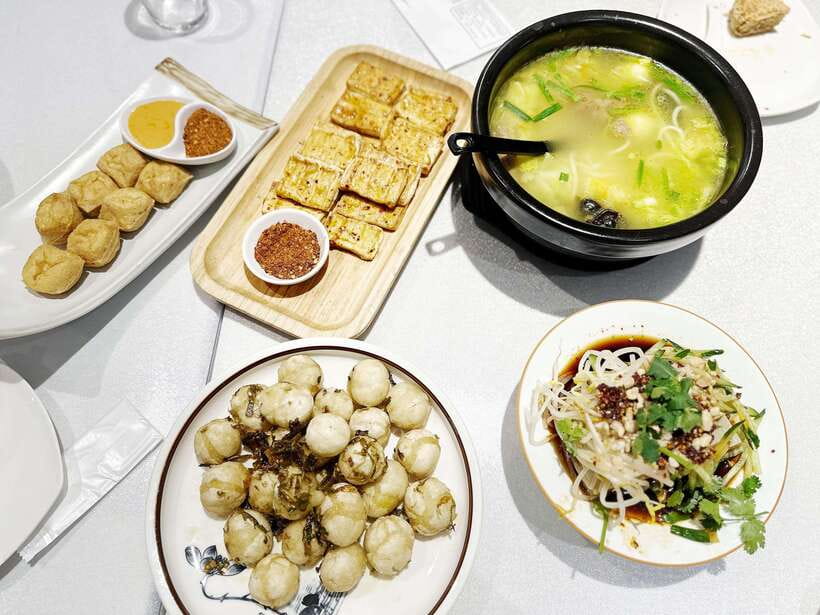
Between the fixed restaurants, you sample local street snacks. The exact snack selection is not specified, so the experience can vary, but the purpose is clear: you get a taste of the quick foods people eat outside formal dining rooms.
This short stop keeps the night from becoming a sequence of enclosed restaurants. You see how food appears in the hutong streets and have a chance to try something in a smaller portion before moving on.
Street snacks can be the least predictable part of any food tour. That is also why a guide helps. If you cannot read the signs or are unsure what an item contains, your guide can explain what you are looking at and help you decide how much to try. You should tell the guide about any food restrictions before eating, since the provided details do not list specific allergy or dietary arrangements.
Yunnan-style noodles: a gentler finish with regional variety
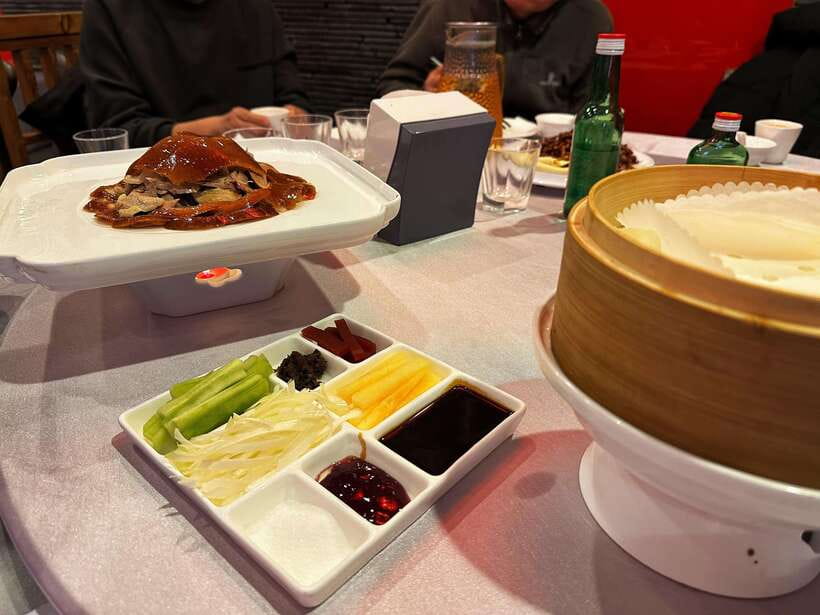
The final restaurant is a Yunnan-style place tucked into the hutongs. Its main dish is cross-bridge rice noodles, served with a flavorful broth and a selection of fresh ingredients.
This course gives the evening a different regional accent. The earlier stops focus on famous Beijing dining traditions, while the Yunnan restaurant introduces food from southwestern China. That variety is one of the tour’s best features. You are not eating three versions of the same meal.
Other dishes may include roasted tofu, fried lotus root cakes, pickled cabbage stir-fried with sweet dumplings, and additional house specialties. The details listed for the stop suggest a broad spread rather than one bowl of noodles and a quick goodbye.
Sweet, mellow rice wine finishes the meal. It is a softer ending after duck, hot pot, and street food, though by this point you may already be full. The best advice is to treat the noodle course as part of the main event, not as an optional extra. Save room from the start.
What the guide adds to the food
The strongest part of this experience is not simply the amount of food. It is the explanation that connects the dishes to Chinese food culture and Beijing life.
Guides named in the feedback include Mike, Andy, Miko, Anson, Allen, and Jack. The guide assigned to you may be different, but the repeated strengths are clear: conversational English, local food knowledge, and a willingness to answer questions about life in China as well as the menu.
A good guide can explain why Peking duck is treated as a special Beijing dish, how hot pot works at the table, and how Yunnan noodles differ from northern Chinese food. The guide also makes the less familiar restaurants easier to enter. Several diners found the restaurants too local or hard to understand without help, which is precisely where this format earns its keep.
The tone appears to be social rather than formal. You eat with the guide, talk between courses, and ask questions as the evening unfolds. For someone visiting Beijing for the first time, this can be more useful than a polished lecture because the information arrives when you need it.
Price, group size, and what the $80 buys
At $80 per person, this is not the cheapest way to eat in Beijing. You can find individual meals for much less, especially if you choose small local restaurants on your own.
The value comes from the combination. Your fee covers three food stops, street snacks, enough food for dinner, an English-speaking guide, the hutong walk, and unlimited beer and sodas. You are also paying for access to restaurants that may be difficult to locate or navigate without local assistance.
A group size of fewer than 10 people keeps the experience smaller than a large coach excursion. That matters when you are seated around a hot pot or asking questions while walking through narrow lanes. Private group bookings are also available. Private tours can include hotel pickup and return, which adds convenience and can make the price easier to justify for families or small groups.
For a private tour, the guide and professional driver meet you in the lobby of your downtown hotel while holding a sign with your name. After dinner, the driver takes you back. Group tours and private tours that meet at Dongsi do not include hotel transportation, so check the option carefully before booking.
I see the best value here for people who want a substantial dinner and cultural context in one evening. If you only want to sample one famous dish cheaply, the price will feel high. If you want several regional foods, drinks, restaurant guidance, and a neighborhood walk, it is more reasonable.
Who will enjoy this evening most
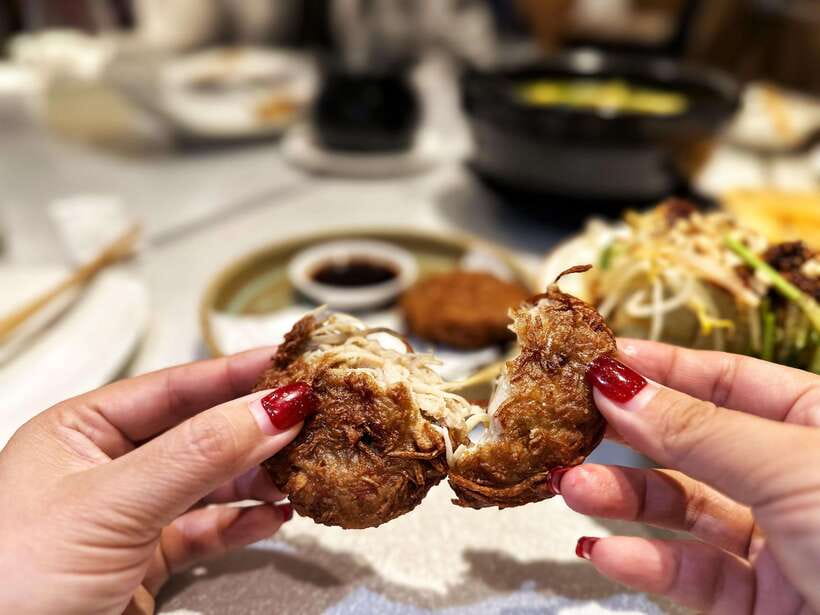
This tour suits first-time visitors who want an easy introduction to Chinese food without spending days learning how to order. It is also a good choice for curious eaters who want to try foods that may not be obvious from an English-language menu.
You should book it if you enjoy sharing dishes, talking with a guide, and trying several foods in one sitting. Families can benefit from the guide’s help with ordering, and the private option may be useful if you want a slower or more personal evening.
It may be less suitable if you have a very limited appetite, strict dietary needs, or little interest in group dining. The tour is built around plenty of food, and the supplied information does not promise vegetarian, vegan, halal, gluten-free, or allergy-specific menus.
The evening also requires punctuality. Group participants meet at Dongsi Subway Station Exit B, while private pickup guests need to be ready in the hotel lobby. Arriving late could mean missing part of the route.
Should you book the Beijing hutong food crawl?
I would choose this tour if I wanted one efficient evening that combines Beijing’s hutongs with a serious amount of food. The carved duck, charcoal-fired hot pot, Yunnan noodles, roadside snacks, and included drinks give you a much wider taste of China than a single restaurant reservation.
Book it especially if you feel unsure about entering local restaurants alone or want a guide who can explain customs as you eat. The strongest guide match can make the night feel like dinner with a well-informed local friend.
Skip it if you prefer to set your own pace, avoid large meals, or already have a detailed food plan in Beijing. For everyone else, the small group format and broad menu make this a practical, filling introduction to Beijing dining.
FAQ
Where does the group tour meet?
Group tours meet at Dongsi Subway Station Exit B. The exact meeting point may vary depending on the option booked.
Is hotel pickup included?
Hotel pickup and drop-off are included for private tours that select the hotel transportation option. Group tours and private tours meeting at Dongsi do not include hotel transportation.
How long does the food tour last?
The tour lasts three hours.
What foods are included?
The meal includes Peking duck, Mongolian hot pot, Yunnan-style cross-bridge rice noodles, roadside snacks, and additional dishes at the restaurant stops.
Are drinks included?
Yes. Unlimited beer and sodas are included, along with featured drinks during the meal. Rice wine is served as a possible finish at the Yunnan-style restaurant.
What language is the tour conducted in?
The tour includes a live English-speaking guide.
How large is the group?
Group tours have a small capacity of fewer than 10 people. A private group option is also available.
Can I cancel for a refund?
You can cancel up to 24 hours in advance for a full refund. The activity also offers reserve now and pay later booking.
More Hot Pot Experiences in Beijing
More Peking Duck Dinners in Beijing
- Temple Heaven, Lama Temple, Summer Palace & Peking Duck Bus Tour
★ 5.0 · 377 reviews - Boutique Tour: Four Must-sees of Beijing and Peking Duck
★ 5.0 · 104 reviews - Beijing Roast Duck Banquet and Acrobatics Show with VIP Seats Evening Tour
★ 3.5 · 87 reviews - 2-Day Beijing Highlights Tour with Peking Duck
★ 4.9 · 41 reviews
Newly listed around Beijing
- Beijing: Summer Palace Ticket; fast and smooth★ 3.6 · 38 reviews
- Beijing: Summer Palace Entry Ticket★ 3.3 · 3 reviews
- Beijing: Summer Palace Highlight Walking Tour★ 4.8 · 25 reviews
- Beijing: Summer Palace, Sacred Road&Ming Tombs Private Tour★ 5.0 · 8 reviews
- Beijing: Summer Palace 3 Hours Guided Tour with Entry Ticket★ 4.8 · 4 reviews
- Beijing Private Tour: Summer Palace, Panda House and Options★ 5.0 · 21 reviews
- Beijing: Summer Palace Entrance(combo/tour opt)★ 4.7 · 6 reviews
- Beijing Royal Banquet with Chinese culture prefermance★ 5.0 · 3 reviews
Hutong Tours, compared.
Beijing Hutong Walking Food and Beer Tour at Hidden Restaurants
Read our review →
Temple Heaven, Summer Palace, Lama Temple, Hutong Bus Tour
Read our review →
Temple of Heaven, Summer Palace, Lama Temple, Hutong Tours
Read our review →
Beijing City Walk: Explore Hutongs Life and Old Beijing
Read our review →Browse the lists this tour appears in