
Reviewed · HUTONG TOURS
Beijing Old Hutongs Tour by Rickshaw
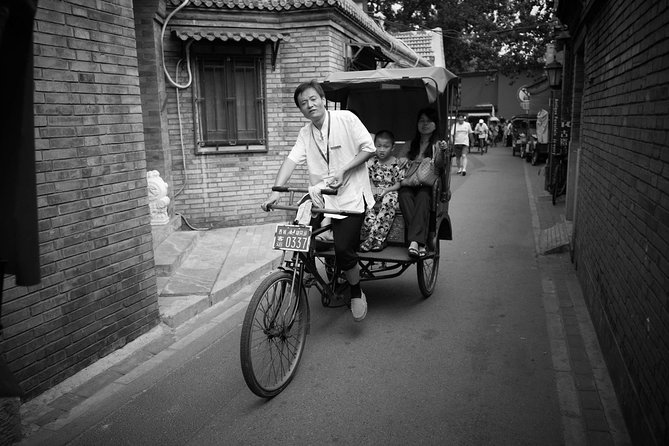
The best part of this experience is the chance to see Beijing at street level, away from the grand imperial gates. A rickshaw carries you through the old hutongs, narrow lanes where bicycles, small courtyards, and ordinary daily routines offer a useful counterpoint to the Forbidden City.
I like the visit to a local home and the climb up the Drum or Bell Tower. Both give you something a bus tour cannot. I also like the easy hotel pickup, especially in a city where getting across town can take time. The catch is that the rickshaw ride may be brief, the home visit can feel arranged for tourists, and tea or silk sales may take more time than you expect.
Key points to know before booking

- The hutong ride is the main attraction: You travel by traditional pedicab through old Beijing lanes, though the actual ride may be shorter than expected.
- The Drum and Bell Towers add real historical interest: Climbing the steep stairs gives you a broad view over the older part of the city.
- The home visit varies: You may meet a family or see a traditional courtyard, but the level of conversation and authenticity is not guaranteed.
- Tea tasting is included: Expect several varieties and a shop where tea and accessories are offered for sale.
- Hotel pickup has a boundary: Hotels inside Beijing’s 4th Ring Road qualify for pickup and return. Other hotels use the Prime Hotel meeting point.
- Plan for sales stops: A silk factory may be added, and some tours also include pearl or other shopping visits.
What this Beijing hutong tour is really like
This is a short cultural outing built around old Beijing rather than a major monument. It lasts about three hours and usually begins with pickup in an air-conditioned vehicle. You meet the guide and driver, travel to the area around the Bell and Drum Towers, then switch to a rickshaw for the hutong portion.
The tour is sold at about $77 per person. That is a fair price if you want a guide, private or small-group transport, admission tickets, and a simple introduction to old Beijing in one package. It is less attractive if your main goal is simply to wander hutongs, since you can explore some old lanes independently and visit the tower area without paying for a full excursion.
The experience has received a mixed overall rating of 3.6 from 73 ratings. That makes the details important. The strongest experiences depend heavily on the guide. Gale, also spelled Gayle in some accounts, is praised for clear explanations, warmth, and patience with children. William and Cynthia also receive especially positive comments. Michael is described as friendly and well informed by some people, but other accounts raise concerns about communication and the way the day was handled.
That unevenness is not a reason to reject the tour outright. It is a reason to book it for the right purpose: an easy first look at Beijing’s old residential quarters, not a tightly controlled, museum-quality cultural program.
More Hutong Tours in Beijing:
- Beijing Hutong Walking Food and Beer Tour at Hidden Restaurants
★ 5.0 · 1,132 reviews - Temple Heaven, Summer Palace, Lama Temple, Hutong Bus Tour
★ 4.7 · 319 reviews - Temple of Heaven, Summer Palace, Lama Temple, Hutong Tours
★ 5.0 · 311 reviews
Beginning at the Bell and Drum Towers
The Bell and Drum Towers are useful anchors for understanding old Beijing. These tall structures once helped mark the hours for the imperial capital. Today, the climb gives you a view across the low roofs and lanes of the older city.
The stairs are steep. One person described having to run up the tower because the schedule was tight, so do not assume this will be a slow, leisurely climb. You need reasonable mobility for the tower visit, and comfortable shoes will make the morning easier.
The view is the reward. From above, you can see how the hutongs form a network of small lanes between wider roads. It is a good moment to understand that Beijing is not only giant avenues and monumental squares. It is also a city of compact courtyards and neighborhood life.
Timing matters here. The tour may not always arrive in time for a drum performance, and the guide may leave you to explore part of the tower on your own. If hearing the drums is important to you, ask about the day’s schedule before you book. The included admission is useful, but the quality of the visit depends on how well the guide manages the clock.
Riding through the old hutongs
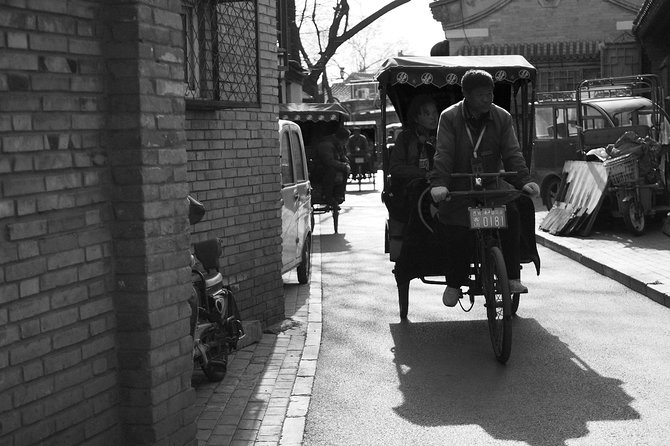
The rickshaw ride is the part children often anticipate most, and it is an enjoyable way to move through the lanes. You sit behind the driver while the pedicab threads through narrow streets. The drivers receive praise for handling the tight passages with skill.
Do not picture a long sightseeing ride through every famous hutong district. The ride can be a small portion of the tour, followed by walking. Several accounts describe the rickshaw segment as shorter than expected, with a quick pass through an inactive or less interesting area.
That distinction matters. The tour promises a taste of old Beijing, not an exhaustive survey of hutong neighborhoods. You may see residents going about daily routines, old courtyard entrances, small shops, and lanes that feel far removed from the modern city. But you may also find yourself wishing for more time on foot and less time moving between scheduled stops.
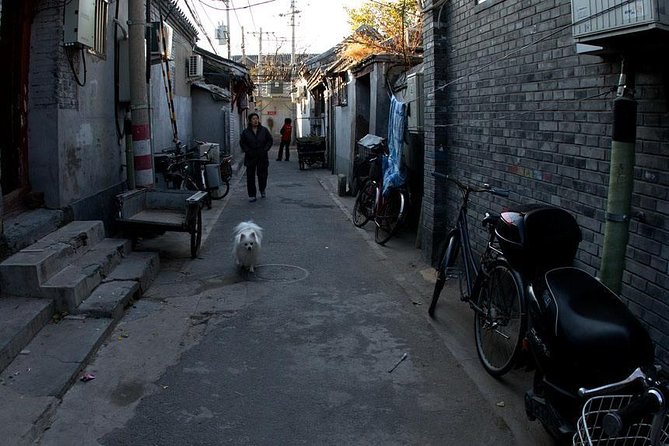
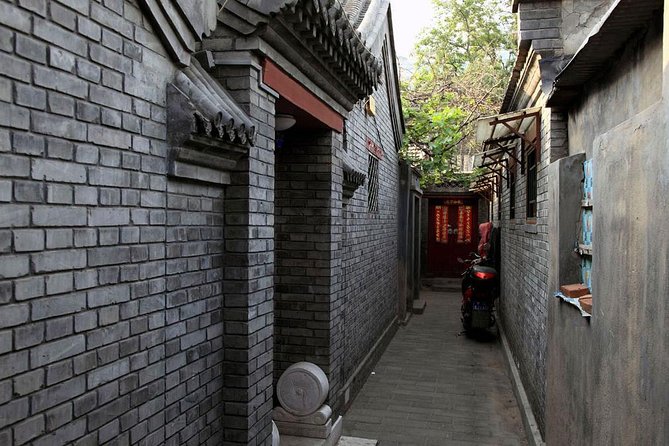
The hutongs are valuable because they show how people once lived, and in some places still live, around shared lanes and enclosed courtyards. The narrow streets are not just pretty backdrops. They are working neighborhoods. Look for the practical details: shared entrances, parked bicycles, small storefronts, and the way a quiet lane opens suddenly into a wider street.
Some riders are asked to tip the rickshaw driver, with 20 yuan per person mentioned in one account. Tipping was not clearly described as part of the listed price, so carry some Chinese currency and ask your guide before the ride begins. That avoids an awkward surprise at the end.
Visiting a traditional courtyard home
The home visit is meant to give you a closer look at traditional customs and family life. You may be greeted by a local host, see household objects, and hear an explanation of how courtyard homes were arranged and used.
This can be one of the most worthwhile parts of the outing when the guide explains what you are seeing. One account describes a gracious hostess and an interesting demonstration of miniature glass bottle painting. Another describes seeing figurines and hearing about their meaning.
Still, keep your expectations measured. The visit may be brief, and the level of interaction varies. In some cases, the home feels more like a staged stop than a normal family residence. One account describes a young boy and an uncle serving tea in a house that did not appear to be occupied as a regular family home.
That does not make the stop useless. A short visit can still help you understand the courtyard layout and older domestic traditions. But it is not the same as spending an afternoon with a Beijing family. If personal conversation is your main reason for booking, the guide’s skill becomes especially important.
Gale and Gayle receive the warmest praise for making this part feel welcoming and informative. A good guide can turn a quick greeting into a useful lesson about customs, architecture, and changing life in Beijing. A less engaged guide may simply point out a few objects and move on.
A few more Beijing days worth a look
- From Beijing: Mutianyu Great Wall Tours with Options
★ 4.9 · 9,216 reviews - Beijing: Forbidden City Tour(Group/Private)-Tickets Included
★ 4.8 · 7,974 reviews - Beijing: T-Square & Forbidden City Group or Private Tour
★ 4.8 · 4,446 reviews - Beijing: Mutianyu Great Wall Daily Tour with Ticket & Lunch
★ 5.0 · 3,056 reviews
Tea tasting and the sales question
Tea tasting is included, and you may sample around five types of Chinese tea in a decorated tea room. This is a pleasant pause after the rickshaw ride and a simple way to learn how different teas are prepared and served.
I like this part when it is treated as a cultural introduction. Tea is closely tied to hospitality in China, and tasting several varieties gives you a small window into that tradition. You can ask questions about flavor, preparation, and where the tea comes from.
The practical issue is that the tea ceremony may also be a sales presentation. Tea and accessories are offered for purchase, sometimes at prices that feel high. You are not required to buy anything. If you do not want tea, say so clearly and politely, then enjoy the tasting without feeling obliged to take home a large package.
Some accounts describe the tea stop as a highlight. Others call it a tourist trap. Both reactions make sense. The difference is often whether you enjoy shopping and how much time the guide spends on the sales pitch.
Food and drinks beyond the tea tasting are not included. This is not a meal tour, so eat beforehand if you need a proper breakfast or lunch.
The possible silk factory stop
The stated schedule may end with the main cultural stops, but the vehicle may continue to a silk factory. You might see silkworm cocoons, silk production, household goods, clothing, and bedding.
This can be interesting, especially for children. One child enjoyed seeing the cocoons, and some people bought silk pillows. If you are curious about how silk is made, the stop has educational value.
The problem is control of your time. A silk factory is also a sales stop, and several accounts describe pressure to buy expensive products. If you have only a few days in Beijing, a long shopping visit can feel like time taken from the hutongs.
The same applies to possible pearl or other retail stops. One guide asked if the group wanted to visit a pearl and silk place after the planned tour, which sounds more acceptable when clearly presented as optional. Before you enter, ask whether the stop is optional, how long it will last, and whether it replaces any planned sightseeing.
If shopping is not your purpose, state that early. A calm, direct answer is usually enough: you would rather spend the remaining time in the hutongs or return to your hotel.
Pickup, timing, and group size
Pickup and drop-off are offered for hotels inside Beijing’s 4th Ring Road. If your hotel is outside that area, you must go to the Prime Hotel at 2 Wangfujing Avenue for the 8:30 a.m. or 1 p.m. departure.
Confirm the pickup time rather than relying only on the advertised start time. One person received a message changing a noon pickup to 1 p.m. Other accounts describe prompt hotel calls and reliable collection. A confirmation call the night before is a sensible step.
The tour is listed at about three hours, but the actual length can vary. One person reported a tour of less than an hour and a half, while others describe a pleasant three-hour morning. Delays, changes in guide, traffic, and added shopping stops may all affect the schedule.
The listed maximum group size is extremely high, up to 999 people, but the actual experience can be much smaller. Some outings become private tours with just one or two people, a guide, and a driver. That can be excellent for questions, but solo participants may feel awkward if the route is not well organized.
The tour is near public transport, and most people can participate. Still, the steep tower stairs and the need to get in and out of a rickshaw mean that anyone with mobility concerns should ask for details before booking.
The most serious cautions
The biggest concern is inconsistency between what is described and what is delivered. Prince Gong’s Mansion appears in some tour information, but multiple accounts say it was not visited, with one guide explaining that it had been closed for a long time. Do not book this experience mainly for that mansion unless the operator confirms it directly.
There have also been complaints about guides demanding additional payment or claiming that only half the tour had been paid for. That is a serious warning sign. Keep your booking confirmation and payment record available. If anyone asks for more money, ask for a written explanation and contact the booking company rather than handing over cash under pressure.
A separate account describes a guide failing to appear, followed by a long wait. Another describes being dropped at a security checkpoint after asking to go to Tiananmen Square and then having difficulty finding the way. Tiananmen Square is not part of the described hutong program, so do not treat an added request as guaranteed.
These problems are not present in every outing. Many people describe excellent guides, good pickup service, and a pleasant morning. But you should allow some flexibility and avoid placing a critical connection, airport transfer, or timed attraction immediately afterward.
Who will get the most from this tour
I would consider this tour for a first morning in Beijing, especially if you want transport handled for you and prefer an introduction before exploring independently. Families may like the rickshaw ride, tower climb, and silkworm demonstration.
It also suits visitors who want to see ordinary neighborhoods without working out the route alone. A strong English-speaking guide can explain details that you would miss while walking by yourself.
I would be more cautious if you have only three days and every hour matters. The Forbidden City, the Great Wall, and other major sights should come first. I would also skip this tour if you dislike shopping stops, want a long rickshaw ride, or expect a genuine extended visit with a family.
The cancellation policy is simple: cancel at least 24 hours before the start time for a full refund. Later cancellations and changes are not refunded.
Should you book the Beijing hutong rickshaw tour?
Book it if you want a convenient, guided introduction to old Beijing, and you are happy with a short rickshaw ride, a brief home visit, tower views, and tea tasting. The best guides, including Gale, Gayle, William, and Cynthia, can make the experience warm and useful.
Skip it if Prince Gong’s Mansion is your main goal, if you want a carefully timed historical tour, or if sales stops irritate you. At $77, the price makes sense when hotel transport and a private-style experience are valuable. It is harder to justify if the ride is brief and the tour ends with unwanted shopping.
Before departure, confirm the pickup time, ask whether Prince Gong’s Mansion is included, and check how much time is planned for the hutongs. Those three questions will tell you whether this outing matches the Beijing day you have in mind.
FAQ
How long is the Beijing Old Hutongs Tour by Rickshaw?
The tour is advertised as approximately three hours. Actual timing can vary, with some outings reported as shorter and others lasting about the expected three hours.
Is hotel pickup included?
Yes. Pickup and drop-off are included for hotels located within Beijing’s 4th Ring Road. If your hotel is outside the 4th Ring Road, you must meet the tour at the Prime Hotel, 2 Wangfujing Avenue, at 8:30 a.m. or 1 p.m.
What is included in the price?
The price includes rickshaw travel through the hutongs, hotel transport within the stated area, an English-speaking guide, tea tasting, and admission tickets.
Is food included?
No. Food and beverages beyond the included tea tasting are not included.
Will the tour visit Prince Gong’s Mansion?
The supplied tour information is inconsistent on this point. Some descriptions mention it, but it may not be visited. Confirm directly with the operator before booking if this sight matters to you.
Can I cancel for a full refund?
Yes. You can cancel up to 24 hours before the experience start time for a full refund. Cancellations or changes made less than 24 hours in advance are not refunded.
Newly listed around Beijing
- Beijing: Summer Palace Ticket; fast and smooth★ 3.6 · 38 reviews
- Beijing: Summer Palace Entry Ticket★ 3.3 · 3 reviews
- Beijing: Summer Palace Highlight Walking Tour★ 4.8 · 25 reviews
- Beijing: Summer Palace, Sacred Road&Ming Tombs Private Tour★ 5.0 · 8 reviews
- Beijing: Summer Palace 3 Hours Guided Tour with Entry Ticket★ 4.8 · 4 reviews
- Beijing Private Tour: Summer Palace, Panda House and Options★ 5.0 · 21 reviews
- Beijing: Summer Palace Entrance(combo/tour opt)★ 4.7 · 6 reviews
- Beijing Royal Banquet with Chinese culture prefermance★ 5.0 · 3 reviews
Hutong Tours, compared.
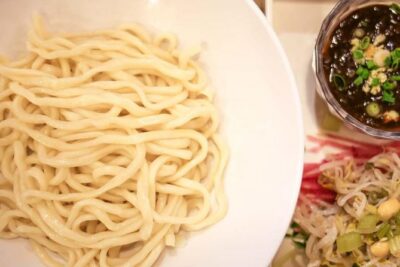
Beijing Hutong Walking Food and Beer Tour at Hidden Restaurants
Read our review →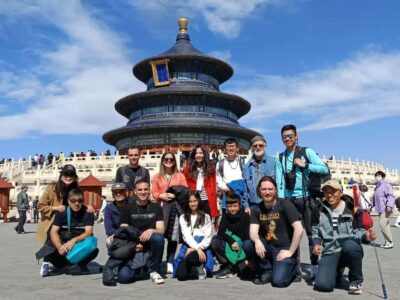
Temple Heaven, Summer Palace, Lama Temple, Hutong Bus Tour
Read our review →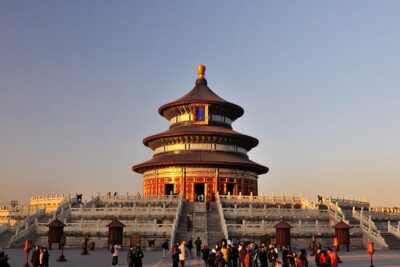
Temple of Heaven, Summer Palace, Lama Temple, Hutong Tours
Read our review →
Beijing City Walk: Explore Hutongs Life and Old Beijing
Read our review →Browse the lists this tour appears in