
Reviewed · HUTONG TOURS
Half-Day Private Beijing Hutong Walking Tour with Dim Sum
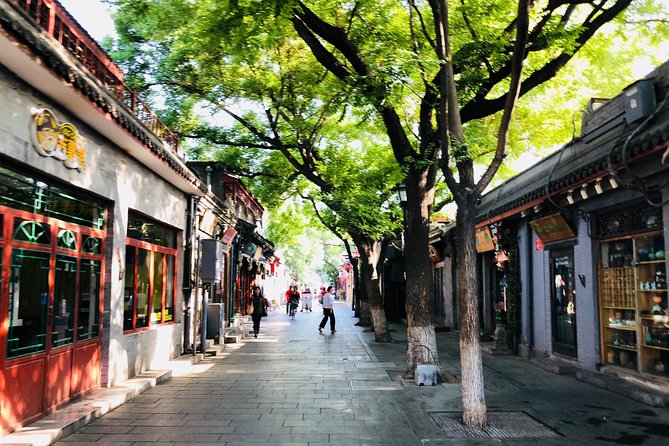
Beijing’s old hutongs make the city feel human-scaled. Instead of racing between grand monuments, you’ll walk narrow lanes, peek at traditional courtyards, cross old bridges, and follow the lakes around Shichahai. The private format lets you ask why a doorway looks different, how the lanes changed, and what daily life is like behind the walls.
I especially like the private guide and the hotel pickup and drop-off. A guide can explain details you would miss on your own, including the meaning of old entryways and the stories tied to each hutong. The taxi transfer also saves you from figuring out Beijing transport before or after a four-hour walk.
The main point to check is lunch. The tour description includes dim sum, but the inclusions say lunch applies only to certain options, so confirm exactly what you are booking. You should also expect some changes: the Drum Tower performance may not run, and the tower may occasionally be closed.
Key points to know before booking

- Your route links several hutong districts: Nanluoguxiang, Yu’er Hutong, Mao’er Hutong, Yandai Xie Street, and the Back Lakes.
- The private format makes the history personal: Guides such as Maggie and Kris can adjust explanations to your interests and answer questions as you walk.
- Street food is part of the experience: Expect bubble tea, red bean dessert, and mantou buns before lunch or dim sum.
- The Bell and Drum Towers add a major landmark: The planned visit lasts about an hour, with a drum performance when available.
- The walk is paired with easy transport: Taxi fare is included within Beijing’s 4th Ring Road, with hotel pickup and return.
- You need comfortable shoes and moderate fitness: The tour lasts about four hours and includes substantial walking through old lanes and along the lakes.
Why Beijing’s hutongs are worth your morning
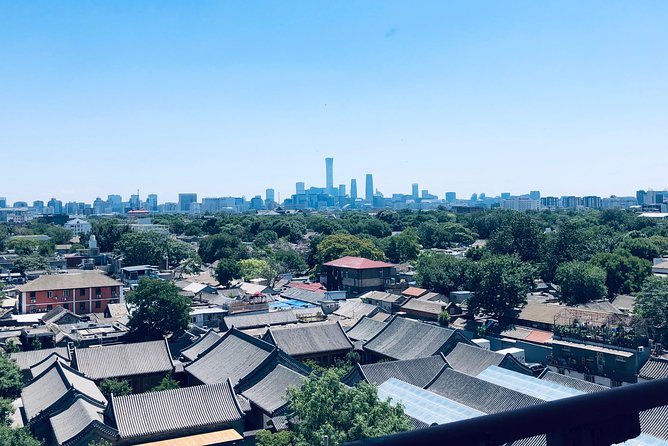
The hutongs are not simply old streets placed between modern buildings. They are networks of lanes and courtyards that show how Beijing once worked at neighborhood level. You will see narrow passages, older residential entrances, shops, canals, bridges, cafés, and busy public areas all within a compact route.
A private guide gives this walk its value. One of the most useful details to look for is the design of courtyard entryways. A doorway can hint at the former status of a home, its layout, and the way residents moved between public street life and private family space. This is the kind of small detail that is easy to pass without context.
The experience also gives you a break from Beijing’s grand-scale sights. The Forbidden City and major squares are essential, but the hutongs show a quieter, more ordinary side of the capital. You are still close to famous landmarks, yet the focus stays on lanes, bridges, food, and neighborhood stories.
More Walking Tours in Beijing
- Beijing Hutong Walking Food and Beer Tour at Hidden Restaurants
★ 5.0 · 1,132 reviews - Private Beijing Walking Tour of the Forbidden City with 7 Options
★ 5.0 · 675 reviews - Forbidden City Private Walking Tour with Optional Sights
★ 5.0 · 400 reviews
Nanluoguxiang starts the four-hour walk
Your guide meets you in the hotel lobby at either 10:00 a.m. or 2:00 p.m. A transfer takes you to the hutong area, beginning with Nanluoguxiang. This is one of Beijing’s best-known old lanes, with narrow side streets branching away from the main route.
You can expect Nanluoguxiang to feel more commercial than the residential lanes that follow. Shops and food stops make it an easy place to get oriented, but it is not the quietest part of the route. The advantage is variety: you begin with a clear sense of Beijing’s old street pattern, then move toward less commercial hutongs.
This is also where the guide can help separate atmosphere from history. The lane has traditional architecture and old-style details, but its modern retail life is part of the current story too. If you want to ask about architecture, local customs, or how the area changed, a private tour gives you room to shape the conversation.
Yu’er and Mao’er Hutong show the residential side
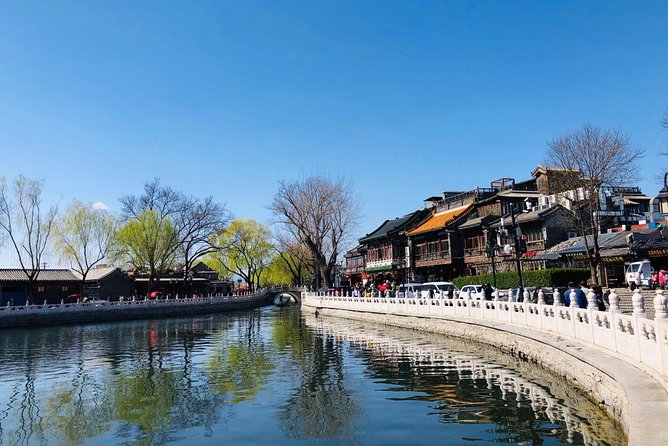
Yu’er Hutong follows for about 15 minutes. It runs by the Jade River and includes canals, bridges, and courtyard homes. The eastern end connects with waterways associated with the old Grand Canal route between Beijing, Shanghai, and Hangzhou.
The canal setting changes the pace. You are no longer looking only at doorways and walls. Water, bridges, and the shape of the lanes help explain why this part of Beijing developed as it did. The stop is short, so treat it as a focused look rather than a long exploration.
Mao’er Hutong also lasts about 15 minutes. It is associated with the empress of the last emperor, who lived there for a time after the royal family left the Forbidden City. Locust trees and traditional courtyards give this lane a more residential feel.
These two hutongs are especially useful if you want something beyond shopping streets. You may see traces of everyday neighborhood life, but remember that the lanes are still residential areas. Keep your voice down near homes and follow your guide’s lead about where to stop.
The Bell and Drum Towers bring Beijing’s old clock to life
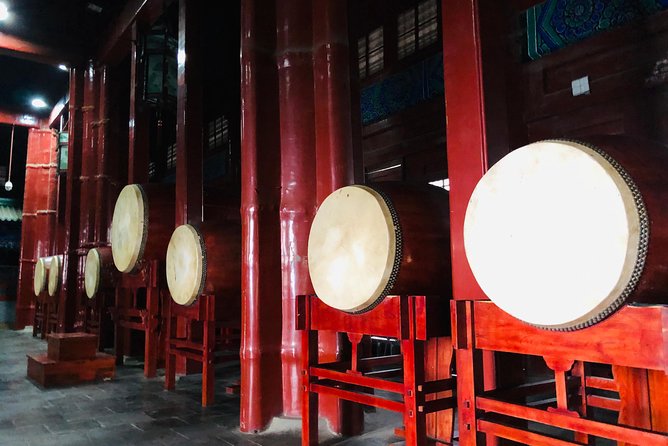
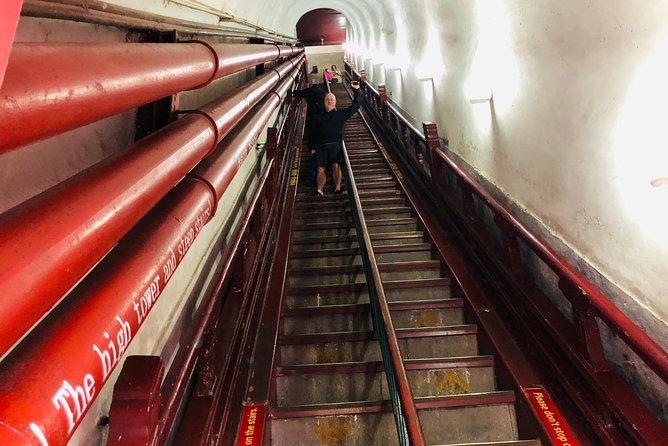
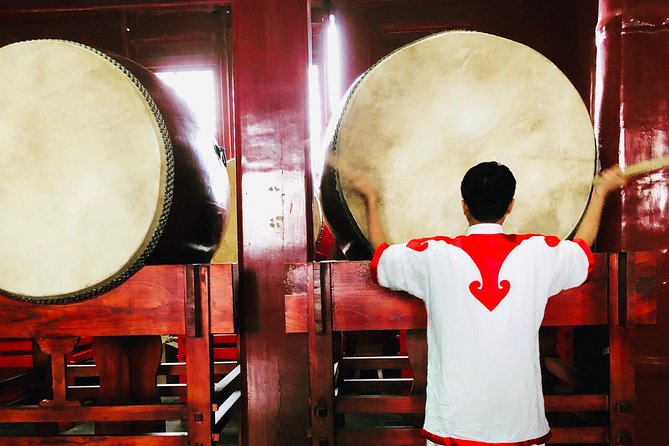
The Bell and Drum Towers are the major landmark stop, with about an hour set aside for the visit. The towers once helped mark time for the city, and the Drum Tower may include a drum performance when conditions allow.
This is the most structured part of the route. After the loose rhythm of the hutongs, you get a clearer historical site with an admission fee included. The towers also help you understand the scale of old Beijing, since the surrounding lanes spread outward from this central area.
The schedule is not guaranteed in every detail. The Drum Tower may occasionally be closed, and the drum performance may not take place. If that happens, the guide will refund the Drum Tower entrance fee. That policy is practical, but you should not book this walk solely for the performance.
The towers can involve stairs or uneven surfaces, so comfortable shoes matter. The tour requires moderate physical fitness, and this stop adds standing and walking to an already active morning or afternoon.
More Hutong Tours in Beijing:
- Temple Heaven, Summer Palace, Lama Temple, Hutong Bus Tour
★ 4.7 · 319 reviews - Temple of Heaven, Summer Palace, Lama Temple, Hutong Tours
★ 5.0 · 311 reviews - Beijing Private Hutong Food Walking Tour
★ 5.0 · 299 reviews - The Hutong Experience by Bike
★ 5.0 · 163 reviews
Food stops turn the walk into a Beijing sampler
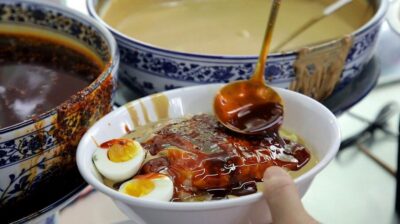
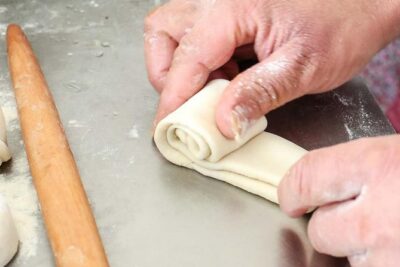
Food is one of the tour’s strongest features, but you should think of it as sampling rather than a full food crawl. Along the way, you may try bubble tea, red bean dessert, and mantou buns. Mantou are plain steamed buns, a simple staple that gives you a taste of everyday northern Chinese food.
There is also a stop at Wuyutai Tea Shop in the Wangfujing area. The visit lasts about five minutes, so it is more of a quick tea opportunity than a formal tasting. You can look for jasmine, chrysanthemum, green, or oolong tea.
The short tea stop will suit you if you already know what you want. It may feel rushed if you hope to compare teas or learn a lot about preparation. Coffee and alcoholic drinks are not included, though they can be purchased.
Lunch is described as dim sum, but the exact inclusion depends on the option you choose. Check this before paying, especially if the meal is one of your main reasons for booking. Dietary restrictions and food allergies should be reported ahead of time.
Yandai Xie Street shifts from old lane to shopping street
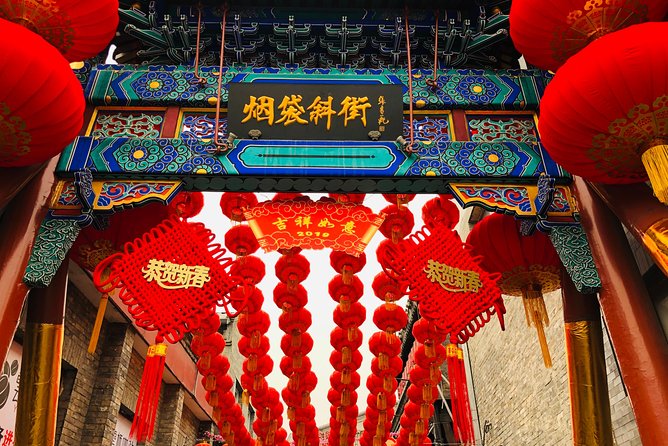
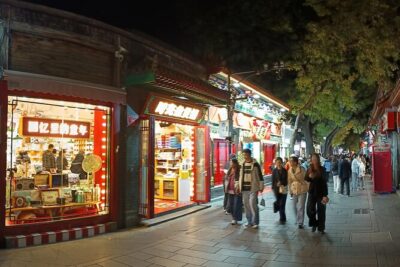
Yandai Xie Street is described as Beijing’s oldest commercial street. Traditional-style stone buildings hold souvenir and handicraft shops, giving this section a more retail-focused feel than Yu’er or Mao’er Hutong.
You get about 20 minutes here. That is enough for a look around and perhaps a small purchase, but not enough for a long shopping session. Prices and product quality can vary, so I would treat the stop as a chance to browse rather than a reason to book the tour.
The street also shows how old districts adapt to modern visitors. If you want only untouched residential lanes, this may be the least appealing section. If you enjoy seeing how historic streets function today, it adds useful contrast.
Houhai and the bridges provide the best open views
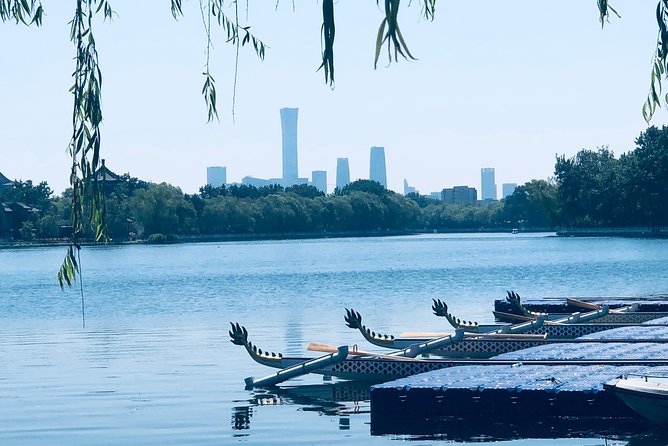
The Back Lakes area, known as Hou Hai or Shichahai, includes Xihai, Houhai, and Qianhai. The route passes old hutong neighborhoods, restaurants, bars, cafés, and lake views. This is where the walk opens up after the narrow lanes.
Yinding Bridge is a popular crossing and is also called Money Bridge because its shape recalls an ancient Chinese ingot. The stop lasts about 10 minutes, but it gives you a good place to see the movement around the waterways and the shift between hutong lanes and the lakeside area.
The final bridge is Jinding Bridge, or Golden Ingot Bridge. It offers another view toward Houhai and helps bring the route together. The area has a different feel during the day and later in the afternoon, so your chosen start time matters. The afternoon option may give you more of the transition toward evening, while the morning option is better if you want to keep the rest of the day open.
The Shichahai Scenic Resort stop lasts about 10 minutes. You can expect lake views, nearby restaurants, bars, and cafés rather than a formal attraction with a set entrance. These final stops are short, but they add space and water to a walk otherwise centered on tight lanes.
A private guide changes the quality of the walk
A private tour is most useful here because the subject is made of small details. You can ask about a courtyard entrance, the canal beside a lane, a former resident, or the difference between a hutong that serves residents and one built around shops.
The guides are English-speaking, and Maggie and Kris are among the guides associated with this experience. Maggie is described as tailoring the tour to individual interests and handling detailed questions. Kris is noted for clear explanations and a pleasant approach, particularly when other Beijing attractions are closed on Mondays.
You should not assume you will receive a specific guide unless the booking confirms it. The important point is that your group travels alone, with no strangers added to the walk. That makes it easier to pause, ask questions, or adjust the conversation without holding up a large group.
What the $148 price means
At $148 per person, this is not a bargain-priced city stroll. The price makes more sense if you value private guiding, hotel transfers, entrance fees, and the food option. It also saves you from piecing together several separate visits across Beijing.
Taxi fare is included within the 4th Ring Road. If your hotel is outside that area, you pay the extra taxi cost yourself. This is worth checking before booking because transport charges can affect the final value.
The tour is strongest for first-time visitors who want an introduction to Beijing’s older neighborhoods without handling the route alone. It can also work well if you have limited time and want a compact mix of walking, food, landmarks, and lakes.
If you already know the hutongs well, the cost may feel high for four hours. The private guide is the main reason to choose it, not the number of stops. Many stops are brief, and several are free public areas.
Timing, walking, and practical details
You need comfortable shoes. The route covers narrow lanes, bridges, tower areas, and lakeside paths, and the total experience lasts about four hours. A moderate level of fitness is required.
Children must be accompanied by an adult. The activity is private, so only your own group participates. Hotel pickup and return make the day easier, especially if you are still learning Beijing’s streets.
The tour offers free cancellation if you cancel at least 24 hours before the local start time. Changes or cancellations made inside that window are not accepted for a refund. Confirmation is provided at booking.
I would choose the morning departure if you want the hutongs before a full afternoon of sightseeing. I would choose the 2:00 p.m. departure if you prefer a slower start and like the idea of seeing the Back Lakes later in the day.
Should you book this Beijing hutong tour?
Book it if you want a private introduction to old Beijing with hotel transport, an English-speaking guide, small food samples, and a lunch option. It suits first-time visitors, families with an adult present, and anyone who wants explanations instead of simply following a map.
Skip it if your main goal is a long food tour, extensive shopping, or a full day inside major museums and palaces. The route moves through many places, so each stop is fairly short. Also confirm the lunch option and accept that the Drum Tower performance may not be available.
For the right visitor, the best value lies in the combination: hutong lanes, courtyard details, old towers, tea, local snacks, and the Back Lakes in one private half-day. That is a useful way to meet Beijing beyond its grand monuments.
FAQ
How long does the Beijing hutong tour last?
The tour lasts approximately four hours, including the walking route, food stops, sightseeing, and transfers.
What time does the tour begin?
You can choose a 10:00 a.m. start or a 2:00 p.m. start. Your guide meets you in your hotel lobby.
Is hotel pickup and drop-off included?
Yes. Hotel pickup and return are provided, and taxi fare is included within Beijing’s 4th Ring Road. Any taxi fare outside the 4th Ring Road is your responsibility.
Is this a private tour?
Yes. Only your own group participates in the activity.
What food and drinks are included?
The experience includes samples such as bubble tea, red bean dessert, and mantou buns. Lunch or dim sum applies to the selected option, so confirm the meal inclusion when booking. Liquor and coffee are not included.
What places does the tour visit?
The route includes Nanluoguxiang, Yu’er Hutong, Mao’er Hutong, the Bell and Drum Towers, Yandai Xie Street, Back Lakes, Yinding Bridge, Shichahai Scenic Resort, and Jinding Bridge. It also includes a brief stop at Wuyutai Tea Shop.
What happens if the Drum Tower is closed?
The Drum Tower may occasionally be closed or lack a drum performance. If the tower is closed, the guide refunds the Drum Tower entrance fee.
What should I bring or arrange before the tour?
Wear comfortable shoes and be prepared for moderate physical activity. Tell the tour provider about dietary restrictions or food allergies before booking. Children must be accompanied by an adult.
More Half-Day Trips in Beijing
- Private Half-Day Mutianyu Great Wall Tour including Round Way Cable Car or Toboggan
★ 5.0 · 115 reviews - Half Day Private Tour to Summer Palace in Beijing
★ 5.0 · 101 reviews - Beijing Half Day: National Museum of China In-depth Tour with Subway Transfer
★ 5.0 · 70 reviews - Half-Day Mini Group Xian Tour to Terracotta Warriors Museum
★ 5.0 · 467 reviews
Newly listed around Beijing
- Beijing: Summer Palace Ticket; fast and smooth★ 3.6 · 38 reviews
- Beijing: Summer Palace Entry Ticket★ 3.3 · 3 reviews
- Beijing: Summer Palace Highlight Walking Tour★ 4.8 · 25 reviews
- Beijing: Summer Palace, Sacred Road&Ming Tombs Private Tour★ 5.0 · 8 reviews
- Beijing Private Tour: Summer Palace, Panda House and Options★ 5.0 · 21 reviews
- Beijing: Summer Palace Entrance(combo/tour opt)★ 4.7 · 6 reviews
- Beijing: Summer Palace 3 Hours Guided Tour with Entry Ticket★ 4.8 · 4 reviews
- Beijing Royal Banquet with Chinese culture prefermance★ 5.0 · 3 reviews
Hutong Tours, compared.
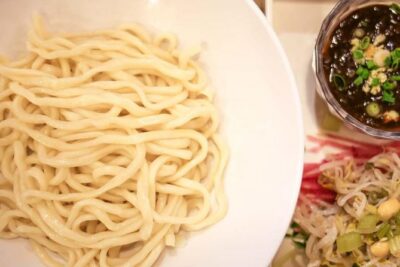
Beijing Hutong Walking Food and Beer Tour at Hidden Restaurants
Read our review →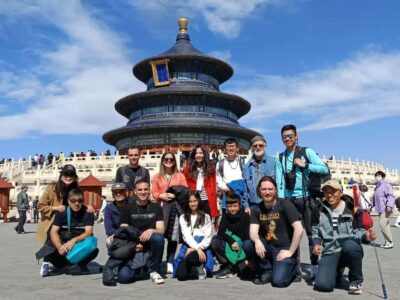
Temple Heaven, Summer Palace, Lama Temple, Hutong Bus Tour
Read our review →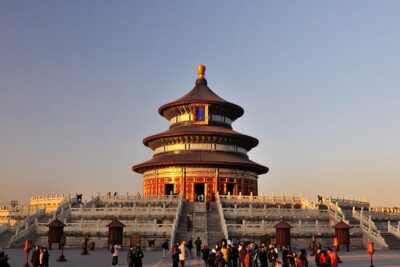
Temple of Heaven, Summer Palace, Lama Temple, Hutong Tours
Read our review →
Beijing City Walk: Explore Hutongs Life and Old Beijing
Read our review →Browse the lists this tour appears in