
Reviewed · HUTONG TOURS
Beijing: Hutongs & Food & Culture Walking Tour
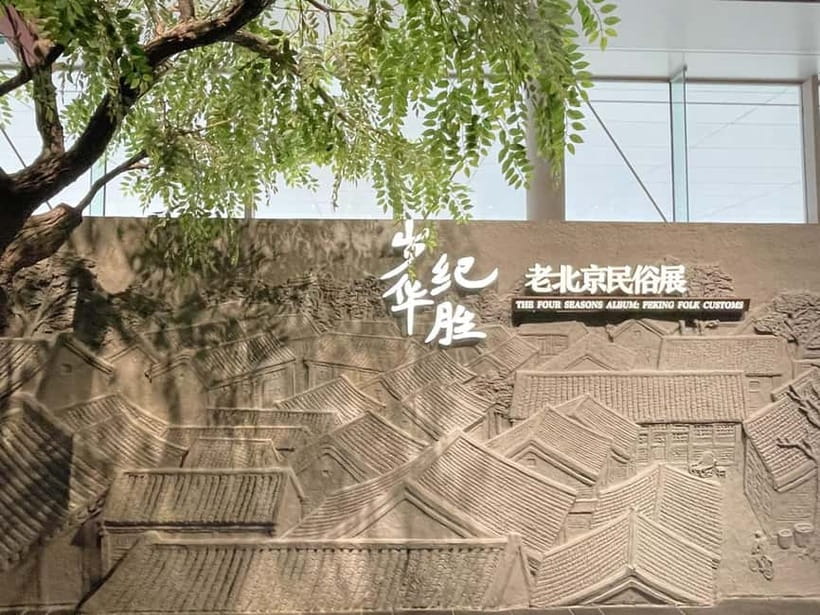
Beijing’s hutongs are the real draw here: narrow lanes, gray-tiled courtyard homes, old red doors, local food stalls, and the everyday life that survives between the city’s grand monuments. I like that you can choose among starting points at Gulou, Shichahai, or the Capital Museum, so the tour can fit different Beijing plans. I also like the chance to add a rickshaw ride and home visit, a useful touch if you want more than a quick walk past the lanes.
The main thing to check is what your selected option actually includes. The description combines a hutong, food, and culture walk with a three-hour Capital Museum visit, but food and drinks are not included, and the starting point changes by option. At $2.86 per person, the price is very low, so read the booking details carefully before assuming every experience is part of your package.
Key points at a glance
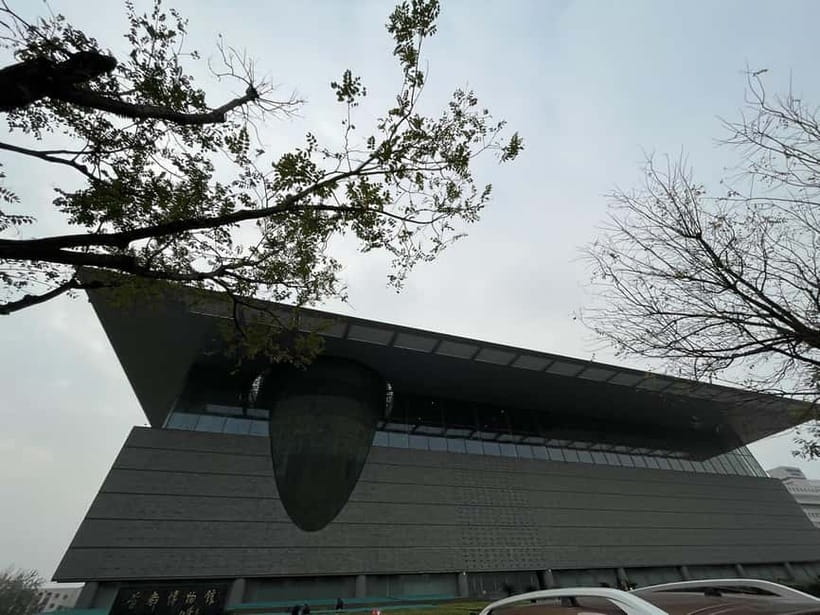
- Three possible starting points: Begin at Gulou, Shichahai, or the Capital Museum, depending on the option you book.
- Old Beijing through its lanes: See siheyuan courtyard houses, brass knockers, tiled roofs, and narrow neighborhood streets.
- Food is a separate expense: Jianbing guozi, tanghulu, douzhi, and youtiao may be part of the route, but food and drinks are not included.
- Optional rickshaw and home visit: These are included only when you select the relevant option.
- Museum time can shape the tour: The Capital Museum option includes a guided visit lasting about three hours.
- Useful flexibility: You can cancel up to 24 hours ahead, and reserve now while paying later.
Beijing’s hutongs are the heart of the experience
If you want to understand old Beijing, start in the hutongs rather than with another large square or palace gate. These narrow lanes show how the city functioned at street level. Families lived around shared courtyards, neighbors knew one another, and daily life unfolded just outside the front door.
You’ll see siheyuan, the traditional courtyard residences associated with old Beijing. Their gray roof tiles and red wooden doors are easy to spot. Some doors carry brass knockers, while vines and plants soften the walls. The details are modest, but they tell you more about ordinary city life than a polished sightseeing avenue can.
I like this kind of walking route because it gives you a sense of scale. Beijing can feel enormous and impersonal, yet a hutong lane can suddenly become quiet and neighborly. You may see locals chatting, tending plants, or moving through the lanes on everyday errands. The point is not only to photograph old buildings. It is to see how traditional homes and modern city life sit side by side.
The walking can also be the least predictable part of the day. Hutongs are not laid out like a museum gallery, and the route may include uneven pavement, narrow passages, and frequent stops. Wear comfortable shoes and bring water, especially in warm weather.
More Food Tours in Beijing
- Beijing Hutong Walking Food and Beer Tour at Hidden Restaurants
★ 5.0 · 1,132 reviews - Beijing: Hidden Gems Guided Food Tour with Beer and Tastings
★ 4.9 · 306 reviews - Beijing Private Hutong Food Walking Tour
★ 5.0 · 299 reviews
Nanluoguxiang mixes old lanes with new tastes
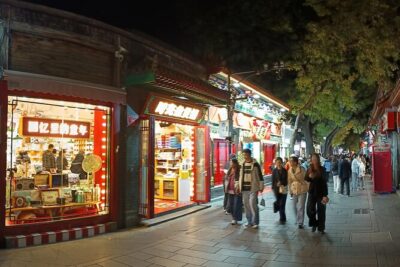
Nanluoguxiang is one of the best-known hutong areas covered by this style of route. It combines old residences with boutique shops, cafés, and small food businesses. That mixture makes it easy to visit, but it also means you should not expect an untouched historic quarter.
I like Nanluoguxiang as an introduction because you can see several versions of Beijing in one walk. An old courtyard doorway may sit near a modern café. A traditional lane may lead to a shop selling contemporary goods. This contrast helps explain why hutong culture is still part of the city rather than simply a preserved display.
The drawback is that a popular area can feel less local than a quieter residential lane. Your guide’s explanation matters here. Without context, Nanluoguxiang can become a pleasant stroll with snacks and photographs. With a good guide, the same street can show how old homes, commercial change, and neighborhood life have collided over time.
The tour offers live guiding in English, Chinese, French, and Dutch. No individual guide names are provided, so you should not book expecting a particular person. Instead, choose your language at the time of booking and confirm the exact meeting point.
Shichahai brings water, willows, and a slower pace
Shichahai gives the hutong walk a different mood. The area is associated with scenic lakes, willow trees, lakeside teahouses, and open views near the water. You might see locals flying kites or sitting near the shore, a welcome change after walking through tight lanes.
I like this stop because it gives you room to pause. Hutongs can feel enclosed, while the water opens the view and makes the route less intense. If your visit includes a teahouse stop, it can also be a good place to learn about tea customs without rushing through another landmark.
The route description mentions jasmine tea or oolong and a tea ceremony led by a tea master. Treat this as a possible cultural stop rather than a guaranteed part of every booking, since the activity changes by option. The same applies to folk craft demonstrations. You might encounter paper cutting or calligraphy, but the supplied details do not promise a workshop for every group.
Shichahai is also one of the listed meeting points. That makes it a practical choice if you want to begin near the lakes instead of walking there later. Check your confirmation closely, since the meeting point may differ from the general route description.
Street food gives the walk its strongest local flavor
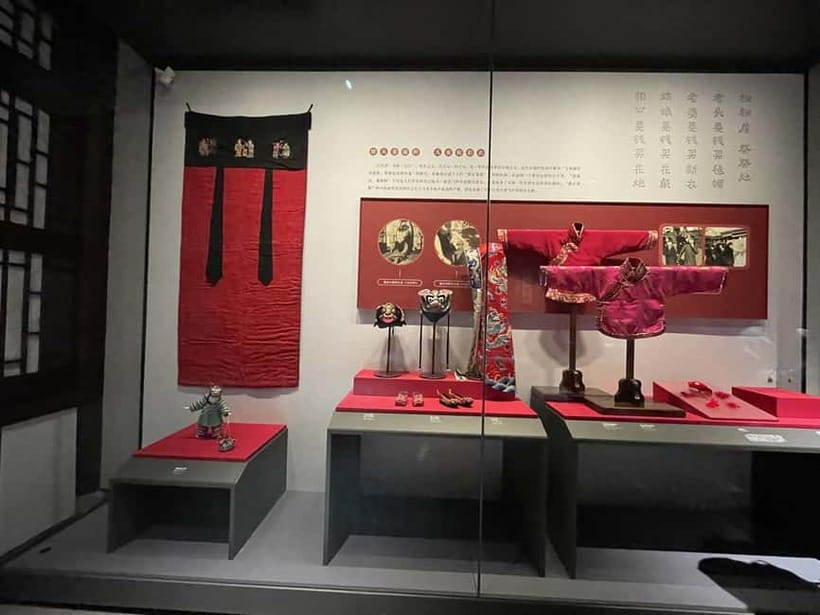
Food is one of the most appealing parts of this experience, but it needs a clear warning: food and beverages are not included. You should carry money for anything you want to taste, and you should not assume the $2.86 price covers snacks.
The food described along the route is closely tied to daily life. Jianbing guozi is a popular breakfast crepe made with egg, scallions, savory sauce, and a crisp fried wrapper. It is filling, quick, and easy to eat while walking. If you have never tried it, this is the kind of small purchase that can make a neighborhood tour feel more personal.
Tanghulu is the sweet option. These candied hawthorns are served on a stick, with a hard sugar shell around tart fruit. The sharp fruit and sweet coating make a useful counterpoint to Beijing’s savory snacks.
Douzhi is more challenging. This fermented mung bean soup has a tangy flavor and is commonly paired with youtiao, the familiar fried dough sticks, along with preserved vegetables. I would try it only if you enjoy unusual local foods and are comfortable with strong fermented flavors. It is not the safest choice for someone who wants a mild introduction to Chinese cooking, but it can tell you a lot about ordinary breakfast habits.
Because the tour does not include food, you control the budget and the level of experimentation. You can sample one snack, buy a full meal, or skip eating altogether. That flexibility is useful, but it also means the final cost depends on your choices.
More Walking Tours in Beijing
- Private Beijing Walking Tour of the Forbidden City with 7 Options
★ 5.0 · 675 reviews - Forbidden City Private Walking Tour with Optional Sights
★ 5.0 · 400 reviews - Beijing: Hutong Culinary Walking Tour with 15+ Tastings
★ 5.0 · 162 reviews - Beijing City Walk: Explore Hutongs Life and Old Beijing
★ 5.0 · 146 reviews
Tea, paper cutting, and calligraphy add cultural context
The tour is designed to include more than architecture and eating. A traditional teahouse visit may introduce you to the rhythm of a Chinese tea ceremony, with jasmine tea or oolong prepared while the tea master explains the customs around it.
I find this sort of stop valuable when it stays connected to daily life. Tea is not just a drink to check off a list. The brewing, serving, and sharing of tea reflect the social side of the culture you are seeing in the hutongs. Still, the exact teahouse experience is not specified, so confirm whether it belongs to your chosen option.
You might also encounter paper cutting or calligraphy. Paper cutting often uses patterns linked with luck and prosperity. Calligraphy turns Chinese characters into brushwork, and even a short demonstration can help you notice how writing is treated as an art form.
A brief Peking Opera performance may also be possible near a local venue. The description does not promise a full show, so think of this as an unexpected bonus rather than a central feature. The same practical rule applies throughout this booking: the broader tour description presents several possible cultural encounters, while your chosen package determines what you actually receive.
The Capital Museum option is a different kind of outing
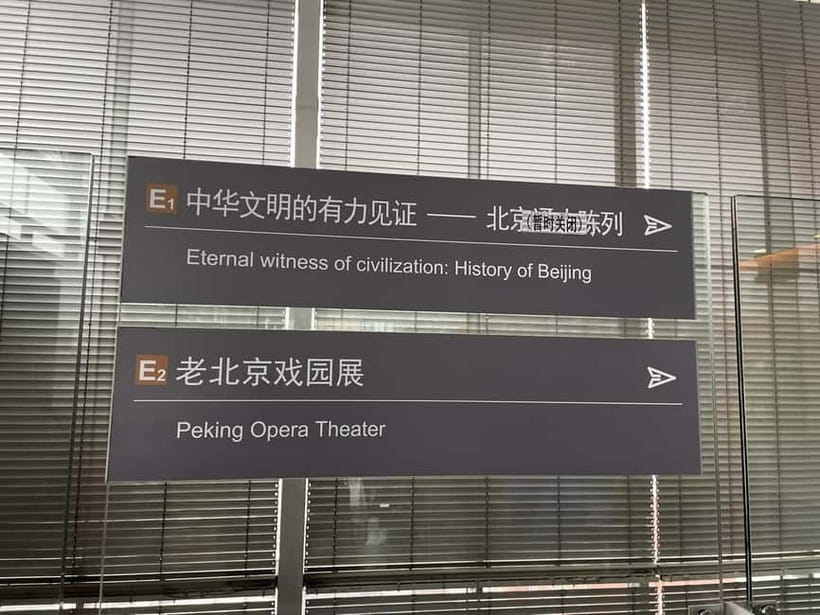
The Capital Museum deserves careful attention because the itinerary specifically includes a guided tour lasting about three hours. This is not simply a short stop added to a hutong walk. If you select the museum option, expect the museum to shape much of your day.
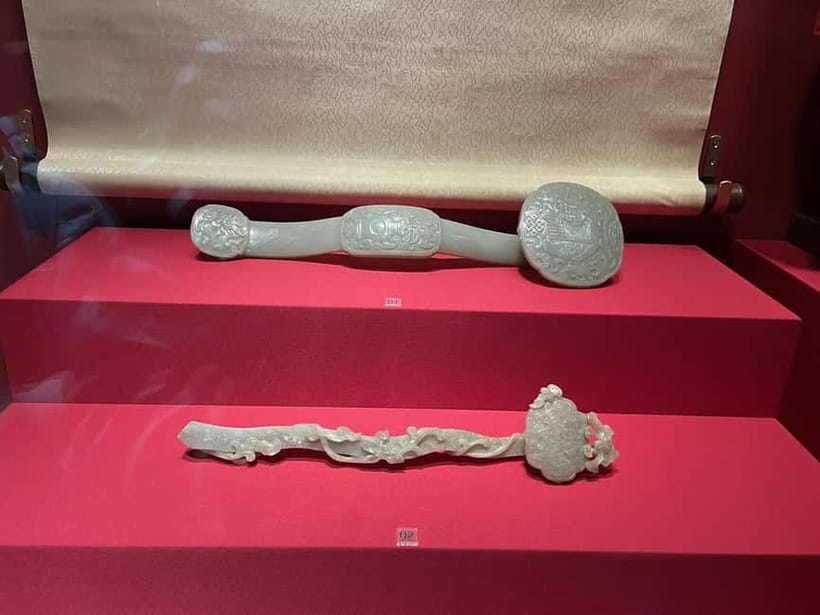
The museum is described as large and interactive. Its displays can give useful background before or after a neighborhood walk, especially if you want more than street impressions. The museum option may suit you if you prefer exhibits, guided explanation, and a set indoor program.
It may suit you less if your main goal is food and old lanes. Three hours indoors leaves less time for wandering, and the available starting points suggest that not every booking combines the museum and the full hutong route in the same way. The wording around the itinerary is not perfectly clear, so ask exactly what is included in your selected choice.
Admission requires advance online booking, and passport information must be sent for ticket booking. During Chinese holidays, booking seven days ahead is advised to help secure the museum ticket. Bring your passport or ID card, and do not wait until the last minute to send the required details.
Photography is allowed in the museum, but flash and tripods are prohibited. The museum is wheelchair accessible, and the tour information also describes the activity as wheelchair accessible overall. If accessibility is important to you, confirm the route and option in advance, since hutong lanes can differ from indoor museum spaces.
The optional rickshaw ride and home visit
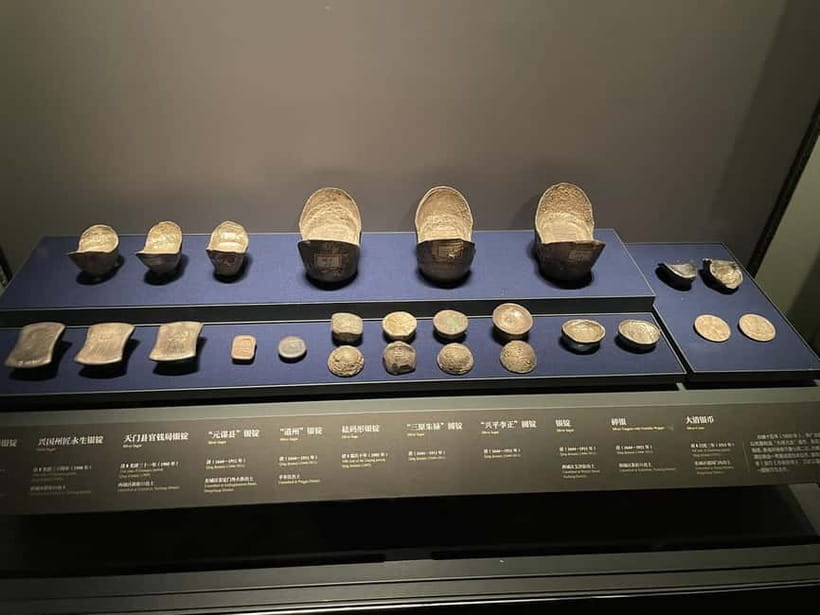
The rickshaw ride and home visit are included only if you select that option. This can be a worthwhile addition for anyone who wants a slower look at courtyard life rather than a quick walk past exterior walls.
A rickshaw reduces the walking load and gives you a different view of the lanes. The home visit may help connect the architecture with the way people used these courtyard spaces. The information does not specify which home you will visit or how long the stop lasts, so you should treat it as an option that adds local context, not as a guaranteed private tour of a famous residence.
If you prefer to explore on foot and stop often for food, you may not need the rickshaw. If mobility, heat, or limited time is a concern, it may be the more practical choice. Ask whether the rickshaw is shared or private if that matters to you, since the available information does not state the arrangement.
Price, timing, and what the $2.86 means
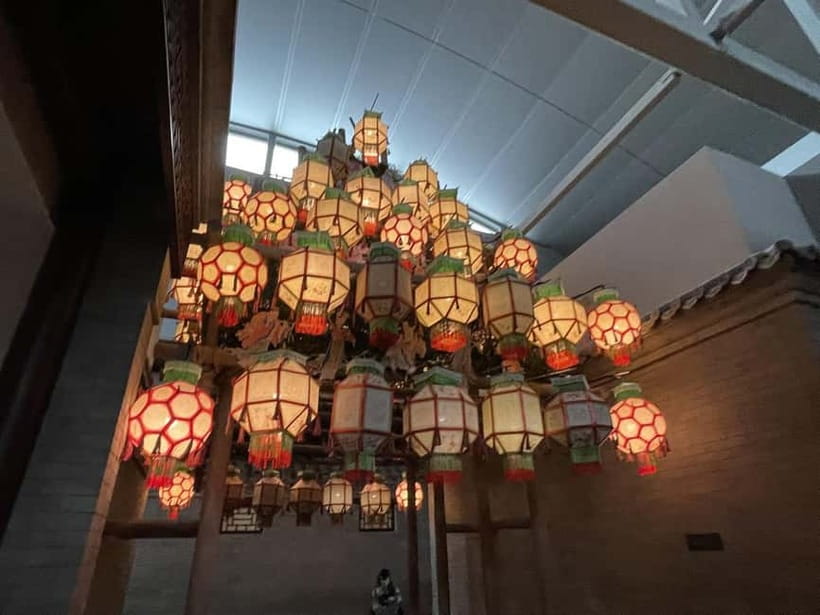
At $2.86 per person, this is priced more like a basic booking or ticket option than a full, all-inclusive cultural day. That makes it tempting, but the low price also means you need to inspect the inclusions.
The tour can last from three to six hours. That is a wide range, and it likely reflects different choices rather than one fixed schedule. A three-hour museum visit is clearly different from a longer combination of hutongs, food stops, tea, and optional transport.
The strongest value comes if your chosen option gives you a live guide, a clear route, and the specific add-ons you want. Food, drinks, personal expenses, and any unlisted admission costs remain your responsibility. The reserve-now, pay-later policy helps if your Beijing plans are still moving, and cancellation is free up to 24 hours in advance.
The provider is Sister tours. The overall score shown for the experience is 3.8 from six ratings, while individual comments praise the museum, the agency’s service, and the general experience. One person booked museum tickets without the tour and found the museum large and interactive. That distinction matters: a good museum visit does not automatically confirm that the hutong walk will match your expectations.
Who should book this Beijing walk?
I would recommend it to first-time Beijing visitors who want neighborhood life alongside major sights. It also suits you if you like trying local snacks, asking questions through a guide, and moving between architecture, food, tea, and street scenes.
The private-group option is useful if you want a more personal pace or have a mixed group with different interests. The language choices are generous, with English, Chinese, French, and Dutch available.
You may want a different activity if you need a fixed itinerary with every stop guaranteed. The broad description includes many possible elements, while the booking options appear to change what is actually included. You should also reconsider it if you want an all-inclusive food tour, since meals and drinks are separate.
People over 95 are listed as unsuitable for this experience. Large bags, luggage, bikes, pets other than assistance dogs, smoking indoors, flash photography, tripods, alcohol, drugs, littering, loud noise, and fire are not allowed. Those rules are especially relevant if your day includes the museum.
My call: book it after checking the option
I like the idea behind this tour. Beijing’s hutongs, courtyard houses, breakfast snacks, lakeside lanes, and tea traditions give you a more human view of the city. The $2.86 starting price is attractive, and the choice of meeting points makes the activity easy to fit into a busy itinerary.
I would book it only after confirming three details: the exact starting point, whether the Capital Museum is included, and whether the rickshaw, home visit, tea stop, or food tasting belongs to your selected package. If those details line up with your plans, this can be an inexpensive way to see old Beijing at street level. If they do not, you may end up with a museum ticket or basic guided walk when you expected a full food-and-culture tour.
FAQ
How long does the Beijing hutong tour last?
The activity lasts between 3 and 6 hours, depending on the option selected and the available starting time.
Where can the tour begin?
The listed starting points are Gulou, the Capital Museum, and Shichahai. Your exact meeting point depends on the option you book.
Is the Capital Museum included?
The Capital Museum option includes a guided visit lasting about three hours. You should confirm whether your selected hutong option also includes the museum.
Is food included in the price?
No. Food and beverages are not included. You pay separately for snacks, drinks, and other personal expenses.
Is a rickshaw ride included?
A rickshaw ride and home visit are included only when you select the relevant option.
Which languages are available?
Live guides are available in English, Chinese, French, and Dutch.
What should I bring?
Bring your passport and passport or ID card. Passport information must be sent in advance for museum ticket booking. Large bags and luggage are not allowed.
More Food & Drink in Beijing
- Beijing Hutong Breakfast Food Tour
★ 5.0 · 120 reviews - Beijing Walking Food Tour with a Local Friend
★ 5.0 · 73 reviews - Experience Beijing Walking Food Tour Private
★ 5.0 · 56 reviews - Authentic Old Beijing Hutong Food and Beer Private Tour
★ 5.0 · 49 reviews
More Hutong Tours in Beijing
- Temple Heaven, Summer Palace, Lama Temple, Hutong Bus Tour
★ 4.7 · 319 reviews - Temple of Heaven, Summer Palace, Lama Temple, Hutong Tours
★ 5.0 · 311 reviews - The Hutong Experience by Bike
★ 5.0 · 163 reviews - Beijing Hutong Breakfast Food Tour
★ 5.0 · 155 reviews
Newly listed around Beijing
- Beijing: Summer Palace Ticket; fast and smooth★ 3.6 · 38 reviews
- Beijing: Summer Palace Entry Ticket★ 3.3 · 3 reviews
- Beijing: Summer Palace Highlight Walking Tour★ 4.8 · 25 reviews
- Beijing: Summer Palace, Sacred Road&Ming Tombs Private Tour★ 5.0 · 8 reviews
- Beijing: Summer Palace 3 Hours Guided Tour with Entry Ticket★ 4.8 · 4 reviews
- Beijing Private Tour: Summer Palace, Panda House and Options★ 5.0 · 21 reviews
- Beijing: Summer Palace Entrance(combo/tour opt)★ 4.7 · 6 reviews
- Beijing Royal Banquet with Chinese culture prefermance★ 5.0 · 3 reviews
Hutong Tours, compared.
Beijing Hutong Walking Food and Beer Tour at Hidden Restaurants
Read our review →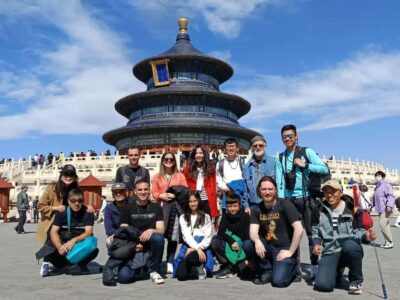
Temple Heaven, Summer Palace, Lama Temple, Hutong Bus Tour
Read our review →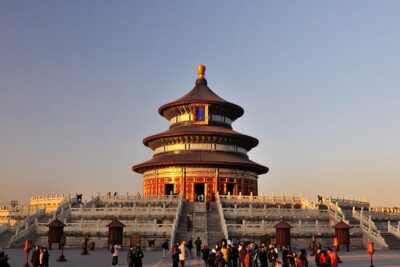
Temple of Heaven, Summer Palace, Lama Temple, Hutong Tours
Read our review →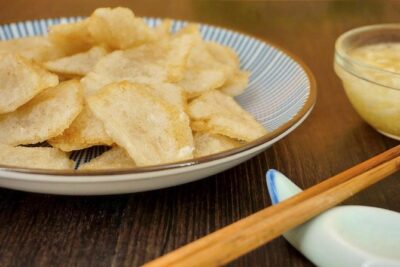

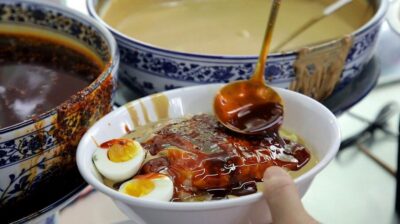
Beijing City Walk: Explore Hutongs Life and Old Beijing
Read our review →Browse the lists this tour appears in