Reviewed · TICKETS
Beijing: Beihai park e-ticket entry
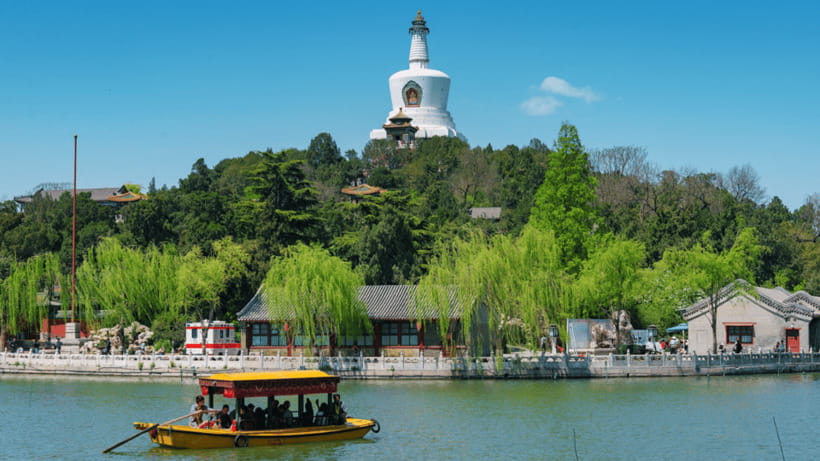
Beihai Park gives you a rare chance to trade Beijing’s busy streets for an old imperial garden where water, trees, temples, and stonework shape the day. The nearly thousand-year-old park covers about 69 hectares, and roughly half of it is lake. I like the White Dagoba and the Nine-Dragon Wall, two memorable sights that make this more than a simple city park.
I also like the low price, about $6 per person, and the freedom to set your own pace without being tied to a guide. The main catch is strict ticket timing. One visitor arrived at 12:10 for a 12:00 entry and was refused, then had to buy another ticket at the park, so check your selected time carefully.
Key points to know before you go
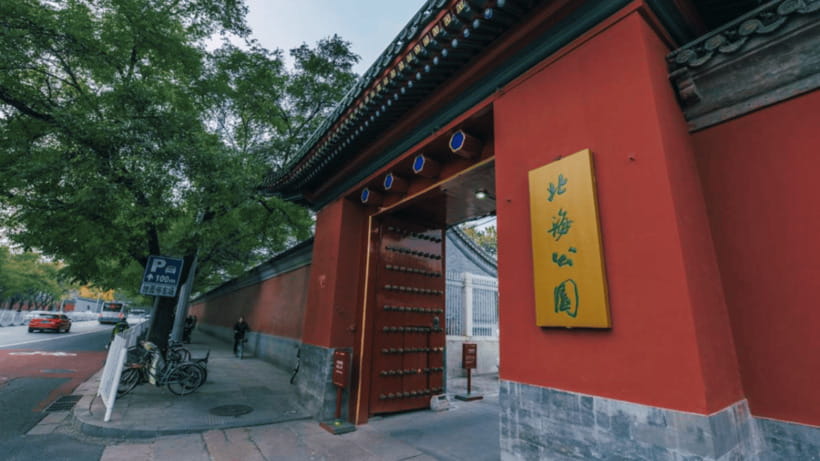
- A nearly thousand-year-old imperial garden: Beihai Park began as a royal retreat and remains one of Beijing’s finest historic gardens.
- Half the park is lake: You can walk beside the water, pause for views, or pay extra for a boat rental.
- Three major sights: The White Dagoba, Nine-Dragon Wall, and Round City give your visit a clear historical focus.
- Low-cost independent visit: The roughly $6 admission covers the park, historic architecture, cultural exhibits, and nature views.
- Timed entry matters: Arriving even a few minutes late may cause a problem, so treat the selected time as firm.
- Passport details are required: Your full name and passport number must be sent in time to complete the booking.
Why Beihai Park makes a good Beijing break
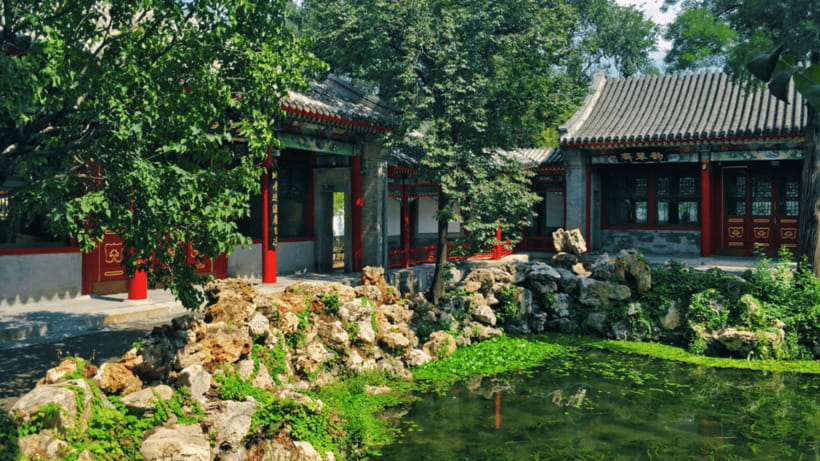
Beijing can feel large, formal, and demanding. Beihai Park offers a slower kind of sightseeing. You are not moving from one indoor attraction to another. Instead, you follow paths beside a broad lake, stop at old buildings, and let the garden reveal itself at walking speed.
That pace is the main appeal. You can spend part of the day looking closely at imperial architecture, then sit near the water without needing another ticket or a scheduled activity. For many people, that balance makes the park a welcome change from Beijing’s grander sights.
The garden is also valuable because it joins several kinds of Chinese heritage in one place. You get royal history, decorative stonework, religious architecture, water views, and carefully arranged garden scenery. Each part is manageable on its own, but together they explain why traditional Chinese gardens are designed as places to look, pause, and move through rather than simply photograph.
Your admission is for one day. That gives you plenty of flexibility, but it does not mean every part of the park has identical hours. The main park operates from 6:30 AM to 9:00 PM from April through October, and from 6:30 AM to 8:00 PM from November through March.
The inner gardens and smaller courtyards close earlier. In peak season, they are open from 8:00 AM to 6:00 PM. In the cooler months, they open from 8:30 AM to 5:00 PM. If those smaller areas matter to you, do not leave them until the end of the day.
A few more Beijing days worth a look
- From Beijing: Mutianyu Great Wall Tours with Options
★ 4.9 · 9,216 reviews - Beijing: Forbidden City Tour(Group/Private)-Tickets Included
★ 4.8 · 7,974 reviews - Beijing: T-Square & Forbidden City Group or Private Tour
★ 4.8 · 4,446 reviews
The lake sets the rhythm of your visit
The lake is the park’s main visual anchor. Since it covers about half of Beihai Park, you will keep returning to the water as you walk between historic sites and garden areas. It gives the visit a calm, open feel that is hard to find in central Beijing.
A walk beside the lake is included in your admission, while a boat ride costs extra. The boat option may suit you if you want a gentler look at the park or prefer to rest your feet. It is not part of the ticket, so budget for it separately if you want to use the water.
I would not treat the boat as essential. The park’s main value comes from the mix of water and architecture, and you can enjoy that from the paths without paying more. Still, the ride offers a different view and can make sense during a longer visit.
The lake also helps you pace the day. You can use it as a natural break between the White Dagoba, the Nine-Dragon Wall, and Round City. That matters because sightseeing in Beijing often involves long stretches of standing and walking. Here, you can make the visit as active or relaxed as you like.
The White Dagoba gives the park its landmark
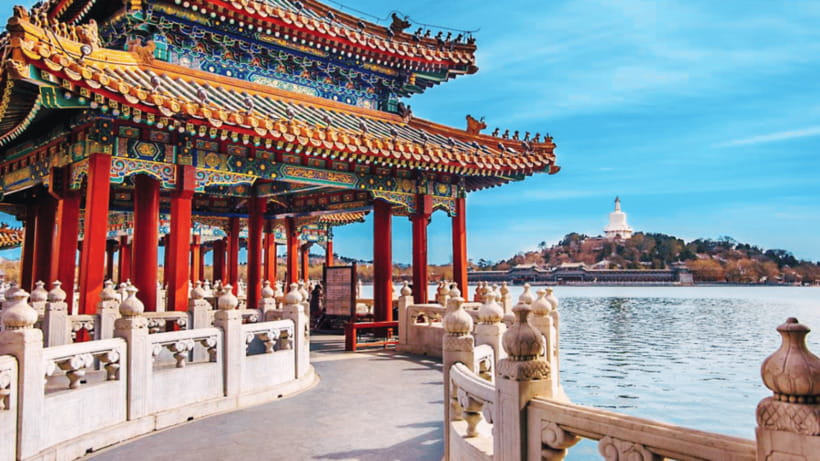
The White Dagoba is one of Beihai Park’s best-known historic structures and one of the clearest reasons to visit. Its bright form gives the park a strong focal point, especially against the surrounding garden and lake views.
This is not simply a photo stop. The dagoba helps you understand the park’s former royal purpose and its connection to older Chinese architecture and religious traditions. You can take in the structure, then look outward across the garden to see how the setting supports it.
I would put the White Dagoba near the top of your list, especially if your time is limited. The park is large enough that you may not want to inspect every path and courtyard. Having a few major targets keeps the visit satisfying without turning it into a rushed checklist.
The setting is part of the attraction. Beihai Park’s designers used water, height, paths, and buildings to create changing views. The dagoba is important because it gives those views a focal point and makes the surrounding garden feel purposeful.
The Nine-Dragon Wall rewards a close look
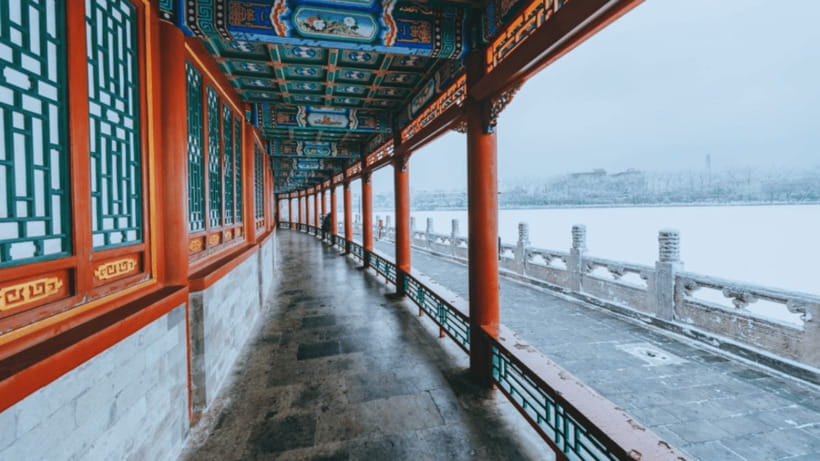
The Nine-Dragon Wall is another major stop included within the park. Its appeal comes from detailed decorative work rather than a broad view across the water. Give yourself time to look at the surface and the figures instead of treating it as a quick background for photographs.
The wall represents the decorative side of imperial design. It shows how much attention was given to surfaces, symbols, and display in royal spaces. Even if you are not an architecture specialist, the Nine-Dragon Wall gives you a clear, memorable example of that style.
I would visit it after enjoying some of the open garden areas. The contrast helps. After looking across the lake and taking in broad views, the wall brings your attention close to carved and colored detail.
The Nine-Dragon Wall is also useful for families and mixed-interest groups. Someone who enjoys history can focus on its imperial setting, while someone who prefers visual sights can appreciate the craftsmanship. You do not need a guided explanation to find it interesting, though a guide is not included if you want deeper historical context.
More entry tickets in Beijing:
- 4-Hour Small Group Tour to Forbidden City with Entry Tickets
★ 5.0 · 1,863 reviews - Beijing: Tiananmen Square Registration Service(Ticket)
★ 4.5 · 1,704 reviews - Beijing: The Temple of Heaven or Summer Palace Entry Ticket
★ 4.6 · 1,286 reviews - Beijing Forbidden City Ticket Booking (Optional: guide service)
★ 5.0 · 1,263 reviews
Round City adds another layer of old Beijing
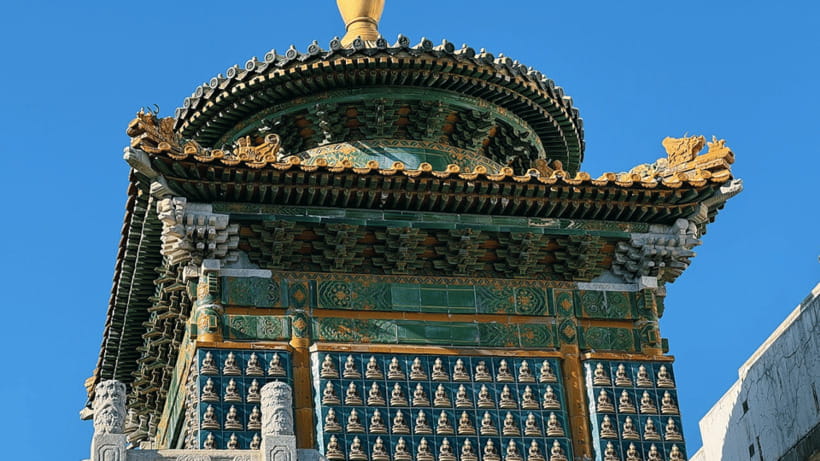
Round City is one of the park’s historic sites and gives the visit a third distinct point of interest. Together with the White Dagoba and Nine-Dragon Wall, it helps turn your walk into a tour of major architectural features rather than a general stroll.
The name suggests a compact, enclosed area, and that changes the feel of the visit again. You move from open water and garden paths to a more defined historic space. The variety is one reason Beihai Park works well for a full day or a flexible half-day stop.
Use Round City as part of your own route instead of trying to follow a rigid schedule. The ticket is valid for one day, and the park’s paths let you spend more time at the places that interest you most. You might linger at the lake, make a careful visit to the wall, or focus on the buildings and courtyards.
The park includes access to ancient architecture and cultural exhibits, but this is not a guided tour. You will need to read available information and shape your own understanding. That suits independent sightseers, but it may feel limited if you want a detailed explanation at every stop.
What the $6 ticket really covers
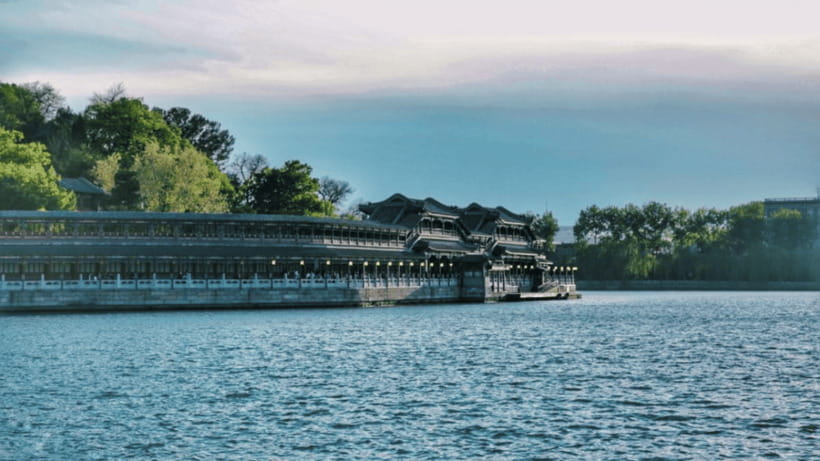
At about $6 per person, the admission offers strong value for a major historic garden in central Beijing. Your ticket includes entry to Beihai Park, access to its ancient architecture and cultural exhibits, and the scenic nature views that make the setting special.
You are paying for a place where you can spend a full day if you wish, not for a short stop with one display. The low price also leaves room in your budget for a boat rental or another Beijing attraction. Meals, souvenirs, and the boat are not included, so keep those costs separate.
The value depends on how you use the ticket. If you rush through the gate, photograph one sight, and leave, the price is still modest, but you will miss much of what makes the park worthwhile. If you walk beside the lake, visit the main historic sites, and allow time for quiet breaks, the admission feels more useful.
There is no included guide, private transport, meal, or organized group program. That keeps the price low and the day flexible, but it also places the planning on you. I see that as a fair trade for visitors who prefer to explore independently.
Timing is the detail you should take most seriously
The booking process requires your full name as it appears on your passport and your passport number. Send both details in time. If the information is missing or arrives too late, the booking can be canceled and a cancellation fee may apply.
Bring your passport with you. It is listed as a required item, and the ticket is connected to the identity information supplied during booking.
Select the correct date and entry time before you confirm. The practical warning here is important: tickets are non-refundable once sold, and arriving late can cause trouble. A visitor who reached the entrance at 12:10 for a 12:00 booking was not admitted and had to purchase a ticket locally.
I would plan to arrive early rather than exactly on time. Give yourself room for the journey to the entrance, finding the correct gate, and presenting your documents. The experience is relaxed once you are inside, but the entry process may not be forgiving.
The activity offers free cancellation up to 24 hours in advance and a reserve-now, pay-later option, but those benefits do not remove the need to check your date and time carefully. After the ticket is sold, the separate non-refundable rule applies.
Seasonal hours change the best way to plan
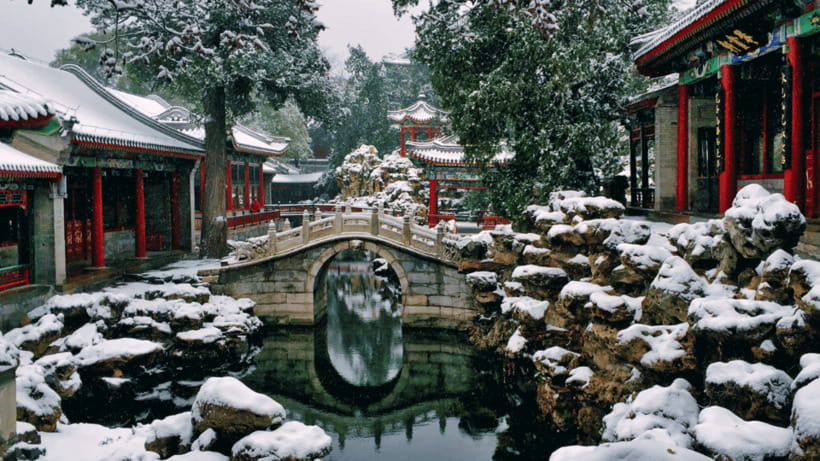
From April through October, the main park opens at 6:30 AM and closes at 9:00 PM. From November through March, it opens at 6:30 AM and closes at 8:00 PM.
The earlier seasonal closing does not make winter visits impractical, but it does require better planning. The inner gardens and small courtyards close at 5:00 PM from November through March, compared with 6:00 PM in the warmer months. If architecture and enclosed garden spaces are your priority, go earlier in the day.
An early start may also suit you if you want a quieter visit. The admission allows a broad window, so you are not limited to midday. You can enter in the morning, take your time, and use the lake and garden paths as a calm part of your Beijing schedule.
A midday arrival can still work, but do not use it as an excuse to arrive late for the selected time. The strict entry experience described above makes that distinction important. Your time inside may be flexible, but your initial admission time may not be.
Who will enjoy this park most
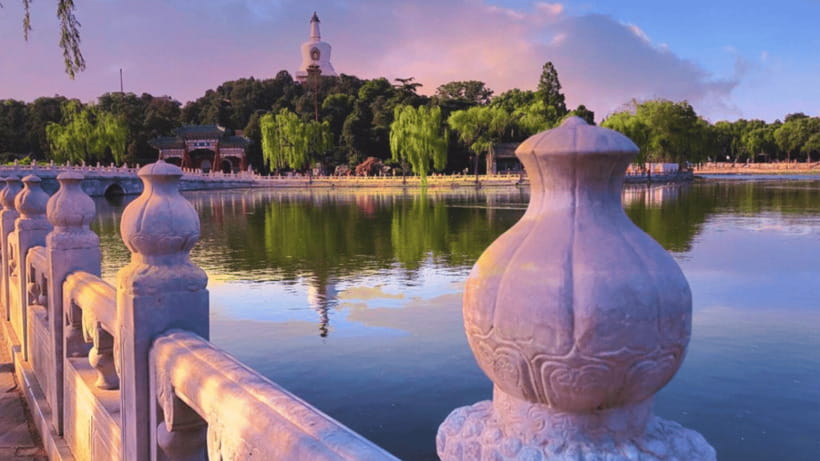
Beihai Park suits you if you enjoy history without needing a formal tour. You can choose the White Dagoba, Nine-Dragon Wall, and Round City as anchors, then spend the rest of the day walking and looking at the garden on your own terms.
It is also a good choice for visitors who want a peaceful outdoor setting. The lake, trees, architecture, and open paths create a gentler day than a schedule packed with major city sights. You can make the visit active, slow, or somewhere in between.
Families may appreciate the mix of open views, water, historic buildings, and optional boating. The low admission price also makes it easier to include several people without a large budget. Keep children close to the water and make sure everyone understands that the boat rental costs extra.
Photographers and architecture fans have plenty to work with, especially around the White Dagoba and Nine-Dragon Wall. The park is less suitable if you want a guide to explain every building or a tightly organized itinerary with transport included.
The experience is wheelchair accessible, which is useful for visitors who need that feature. The information provided does not specify which individual paths, courtyards, or inner areas may be easiest to use, so you may want to confirm details before arrival if you have particular access needs.
What is not included and why it matters
The absence of a guide is the biggest difference between this ticket and a full sightseeing tour. You receive entry and access, but you do not receive a person to explain the buildings, organize your route, or answer questions along the way.
That is not necessarily a weakness. I like being able to stop whenever I want and avoid a fixed group pace. If you already know something about Chinese imperial gardens, the independent format may be exactly right.
The tradeoff is that cultural meaning can be easier to miss. The White Dagoba, Nine-Dragon Wall, and Round City are impressive on sight, but a guide could provide more context than a self-guided visit. You should choose this ticket for freedom and value, not for a detailed spoken lesson.
Meals and souvenirs are also your responsibility. The provided information does not specify food outlets or prices inside the park, so do not count on the admission including lunch or refreshments. Plan your food separately and treat the park ticket as an entry-only purchase.
A practical one-day plan
Start by arriving before your selected entry time with your passport ready. Once inside, orient yourself around the lake and identify the main sights you want to visit first.
Make the White Dagoba one of your early targets, especially if you want more time for views and photographs. Then continue to the Nine-Dragon Wall, where a slower look at the decorative detail is more rewarding than a quick pass.
Visit Round City next, or reverse the order if another route suits you better. The ticket lasts one day, so you do not need to force every stop into a short block of time.
Use the lake for a break between historic sites. If you want a boat ride, arrange it separately and remember that it is not covered by admission. If you skip the boat, you can still enjoy the water from the paths and keep the day’s cost close to the entry price.
Save inner gardens and small courtyards for a time when you know they will still be open. In peak season, that means before 6:00 PM. In the off-season, aim to visit those areas before 5:00 PM.
Finish with another walk beside the lake or return to the sight you liked best. That final unhurried stretch is part of the point of Beihai Park. You are buying access to a historic garden, not signing up for a race.
Should you book Beihai Park’s e-ticket?
Book it if you want an inexpensive, flexible visit to one of Beijing’s oldest imperial gardens. The White Dagoba, Nine-Dragon Wall, Round City, and lake create a strong mix of history and scenery, while the option to rent a boat gives you an extra way to enjoy the setting.
I would especially recommend it for independent visitors, families watching their budget, and anyone who wants a quieter outdoor stop between major Beijing attractions. The price is modest, the ticket is valid for one day, and the park offers enough variety to fill several hours.
Skip it if you need a guide, included transport, or a fully organized schedule. Most important, book only after checking your date, entry time, passport name, and passport number. Arrive early, not late. With those details handled, Beihai Park offers one of the better low-cost ways to experience Beijing’s imperial past at your own pace.
FAQ
How much does admission to Beihai Park cost?
Admission costs about $6 per person.
How long is the ticket valid?
The ticket is valid for one day.
What does the ticket include?
It includes admission to Beihai Park, access to ancient architecture and cultural exhibits, and scenic nature views.
Is a boat ride included?
No. Boat rentals require an additional fee.
What are Beihai Park’s main historic sights?
The main sights listed are the White Dagoba, Nine-Dragon Wall, and Round City.
What are the park’s opening hours?
From April through October, the main park is open from 6:30 AM to 9:00 PM. From November through March, it is open from 6:30 AM to 8:00 PM.
When are the inner gardens and small courtyards open?
They are open from 8:00 AM to 6:00 PM from April through October, and from 8:30 AM to 5:00 PM from November through March.
What should I bring?
Bring your passport.
Can I cancel the booking?
You can cancel up to 24 hours in advance for a full refund. Tickets are non-refundable once sold, so check the selected date and time carefully.
Newly listed around Beijing
- Beijing: Summer Palace Ticket; fast and smooth★ 3.6 · 38 reviews
- Beijing: Summer Palace Entry Ticket★ 3.3 · 3 reviews
- Beijing: Summer Palace Highlight Walking Tour★ 4.8 · 25 reviews
- Beijing: Summer Palace, Sacred Road&Ming Tombs Private Tour★ 5.0 · 8 reviews
- Beijing: Summer Palace 3 Hours Guided Tour with Entry Ticket★ 4.8 · 4 reviews
- Beijing Private Tour: Summer Palace, Panda House and Options★ 5.0 · 21 reviews
- Beijing: Summer Palace Entrance(combo/tour opt)★ 4.7 · 6 reviews
- Beijing Royal Banquet with Chinese culture prefermance★ 5.0 · 3 reviews
Tickets, compared.
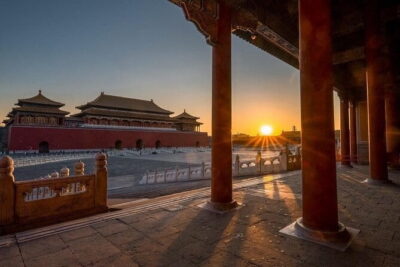
4-Hour Small Group Tour to Forbidden City with Entry Tickets
Read our review →
Ngong Ping 360: Cable Car Return Tickets & Combos
Read our review →
The Temple of Heaven or Summer Palace Entry Ticket
Read our review →
Beijing Forbidden City Ticket Booking (Optional: guide service)
Read our review →
Mutianyu Gt Wall Trip, Depart 8-10am Bus w/ Tickets
Read our review →
Forbidden City&T-Square Small GroupTours w/ ticket(Eng/Esp Guide)
Read our review →