
Reviewed · TEA CEREMONIES
Shanghai: Chinese Tea Ceremony Experience
Chinese tea culture becomes much easier to understand when you can smell, taste, whisk, and compare the tea yourself. This three-hour Shanghai experience combines a blind tasting with a hands-on look at Song Dynasty tea whisking, giving you more than a polite cup of tea and a quick history talk.
I like the small group size, capped at eight, because it gives the tea expert room to answer questions and watch your technique. I also like the balance between sensory fun and cultural context, especially the chance to compare China’s three tea classes instead of sampling one tea in isolation. The main drawback is the price: at $143 per person, this is a special-interest experience rather than a casual afternoon stop.
Key points at a glance
- Blind tasting first: Use aroma, flavor, and texture to compare teas before relying on labels.
- Song Dynasty whisking: Learn an old preparation method with your own hands.
- Three tea classes: Taste and compare three broad categories of Chinese tea during one session.
- Small group setting: A maximum of eight participants allows for personal attention.
- Snacks and photos: Traditional snacks are included, and optional dress-up photos add a playful touch.
- Plan your arrival: Transportation is not included, and the exact meeting point comes after booking.
Why this tea ceremony is more than a tasting
A tea ceremony can be a quiet cultural window, but only if you have enough time to understand what you are tasting. This experience lasts three hours, which gives the session room to move beyond pouring tea into cups and calling it tradition.
You begin with a welcome shaped by old Chinese hospitality. The tone is formal and graceful, but the format is practical. The tea expert guides you through the meaning behind the gestures, the way tea is prepared, and the role of attention in the ceremony.
I like this approach because tea is not treated as a mysterious performance. You are given a way to notice things. The scent before the first sip, the weight of the liquid on your tongue, and the aftertaste all become part of the lesson.
The session is offered in English or Chinese. No individual guide name is provided, so if you need a particular language, confirm it when booking. The small group format should make it easier to ask questions than it would be in a large demonstration.
More Tea Ceremonies in Shanghai
- Biking Real Shanghai& Tea Tasting Experience
★ 4.5 · 45 reviews - 3-Hour Shanghai Yu Garden &Old Town Private Tour with Tea Tasting
★ 5.0 · 17 reviews - Private Shanghai City and Zhujiajiao Combo Tour with Boating, Tea Tasting, Lunch
★ 5.0 · 15 reviews
Starting with a blind tasting
The blind tasting is one of the strongest parts of the experience. Instead of seeing a label and deciding what a tea should taste like, you first work from your senses.
You may be asked to compare aroma, flavor, and texture across several teas. That simple change matters. It encourages you to describe what you actually notice rather than repeat tea vocabulary you may not understand.
For a first-time tea drinker, this is a friendly way into the subject. You do not need a trained palate. You only need to pay attention and say what seems floral, earthy, light, full, dry, soft, or unfamiliar. The tea expert can then explain how those impressions relate to the tea.
If you already drink Chinese tea, the blind format adds a little challenge. You may recognize some styles, but you will still have to separate personal preference from the tea’s character.
The tasting also helps you understand why preparation matters. Water, steeping, and serving can affect what reaches your cup. The experience does not promise a technical master class in every part of tea production, but it does give you a useful base for judging what you taste.
Avoid strong perfume before you arrive. Fragrance can get in the way of the tea aromas, and this session relies heavily on your nose.
Comparing China’s three tea classes
The program introduces China’s three tea classes and lets you savor the flavor and aroma of each. The supplied details do not name the three classes, so you should not expect a fixed list of specific teas until the tea expert presents them.
That is not a problem for most people. The value is in comparison. One tea may seem gentle and fragrant, another more forceful, and another marked by a different texture or finish. Tasting them side by side gives you a clearer sense of how broad Chinese tea culture can be.
I would pay close attention to the changes between the first sip and the aftertaste. Some teas make an immediate impression, while others become more interesting after you swallow. The tea expert can help you put those changes into words.
This part is especially useful if you want to buy tea later in your trip. You may not leave as a tea specialist, but you will have a better idea of what flavors appeal to you. That is more useful than simply being told which tea is considered important.
Snacks are included and add a welcome pause between tastings. You should tell the provider about food allergies or dietary restrictions before the activity. The experience is not suitable for people with food allergies, according to the activity information, so this point deserves careful attention before booking.
Learning Song Dynasty tea whisking
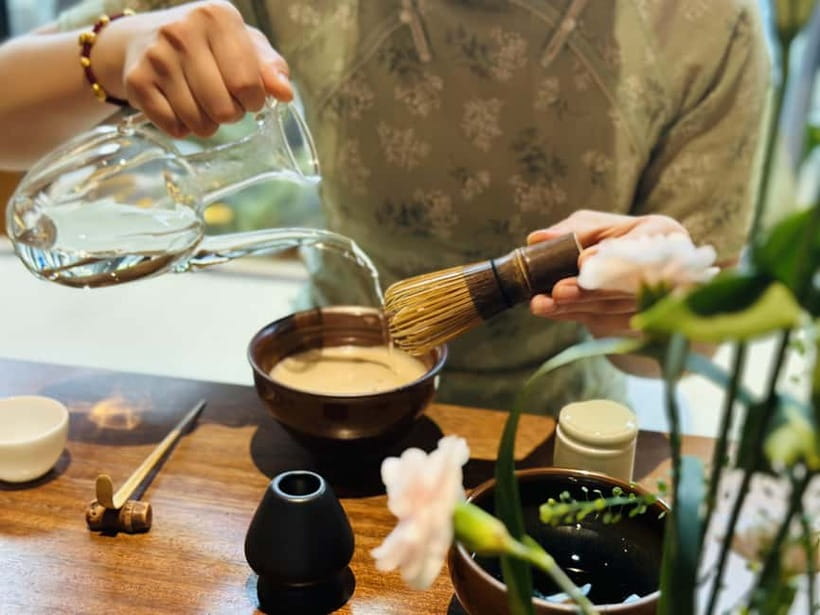
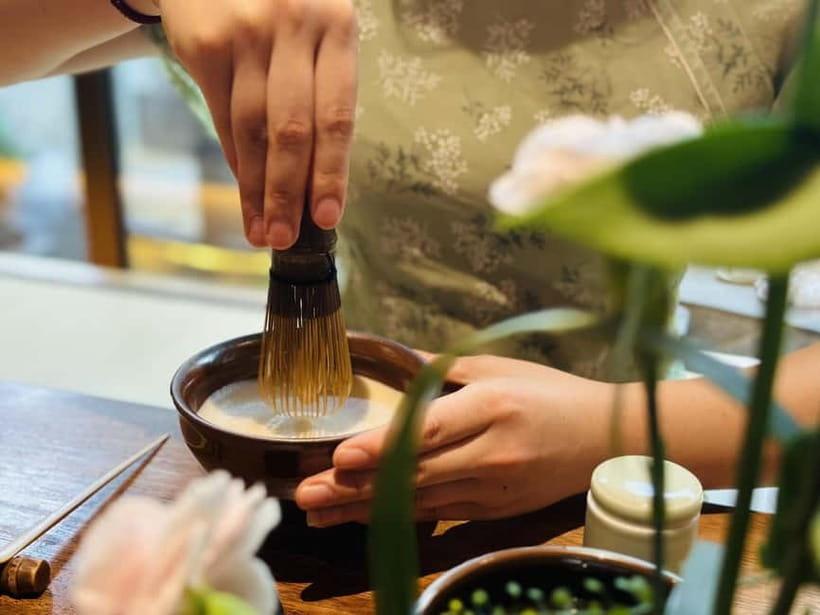
The hands-on lesson in Song Dynasty tea whisking gives the session its most distinctive feature. Rather than only watching a tea master, you learn the basic action yourself.
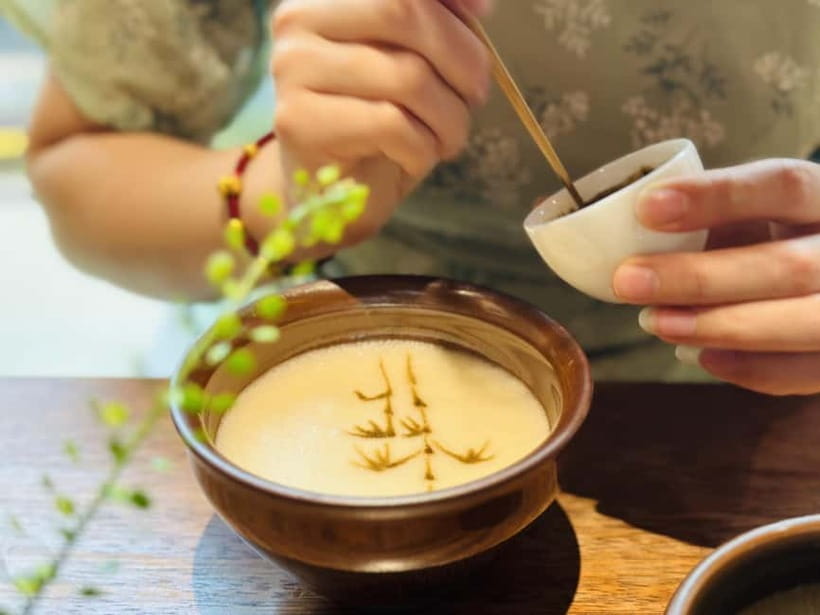
Whisking changes the feel and appearance of the tea. The movement requires care, and the lesson connects a physical skill with an older style of tea preparation. You do not simply hear about a past custom. You handle the tools and take part in the process.
The activity information calls this Song Dynasty tea whisking and brewing. It does not provide a detailed list of equipment or say how many attempts each person receives, so expect guided practice rather than a full professional training course.
That distinction is useful. This is a cultural experience for visitors, not a certification class. The point is to understand the ritual, the rhythm, and the care involved.
I like this section because it gives the three hours a clear center. A blind tasting sharpens your senses, while whisking puts the tradition into your hands. Together, those parts make the experience feel active without becoming hectic.
Wear comfortable clothes and shoes. The session may include some movement and walking, and comfort will help you focus on the tea rather than your outfit. Smoking is not allowed.
Same base, a completely different kind of day out:
- Authentic Local Food Tour in Central Shanghai
★ 5.0 · 1,382 reviews - Zhujiajiao Water Town and Shanghai City Private Day Tour
★ 5.0 · 1,016 reviews - Private Shanghai Full Day City Tour with Old and New Highlights
★ 5.0 · 995 reviews - Shanghai: Hop-on Hop-off Bus Ticket and Optional Attractions
★ 3.4 · 692 reviews
A small group with room for questions
The group is limited to eight participants. That is small enough for the tea expert to give individual attention, correct a whisking technique, and respond to questions without turning the session into a lecture.
Small groups also affect the mood. Tea ceremonies work best when the room is calm, and eight people create less noise and distraction than a full tour bus group. You have a better chance to notice the quiet details of pouring, smelling, and sipping.
The tradeoff is that this experience depends partly on the group you join. A calm group may make the ceremony feel relaxed. A more talkative group may make it livelier. The limited size cannot guarantee a private class, since other participants can still attend.
The guides speak English and Chinese. That makes the experience accessible to international visitors, though the exact level of interpretation and the identity of your tea expert are not specified in advance.
Snacks, photos, and the personal touch
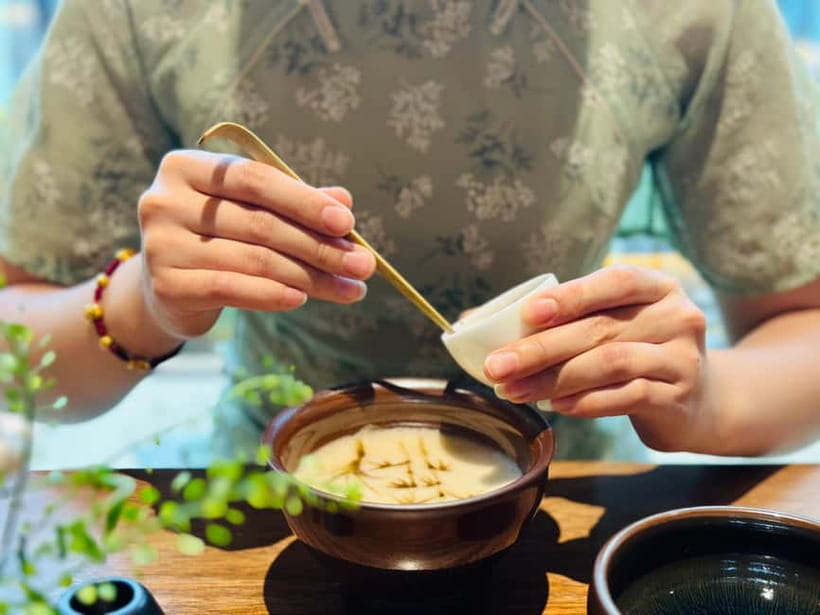
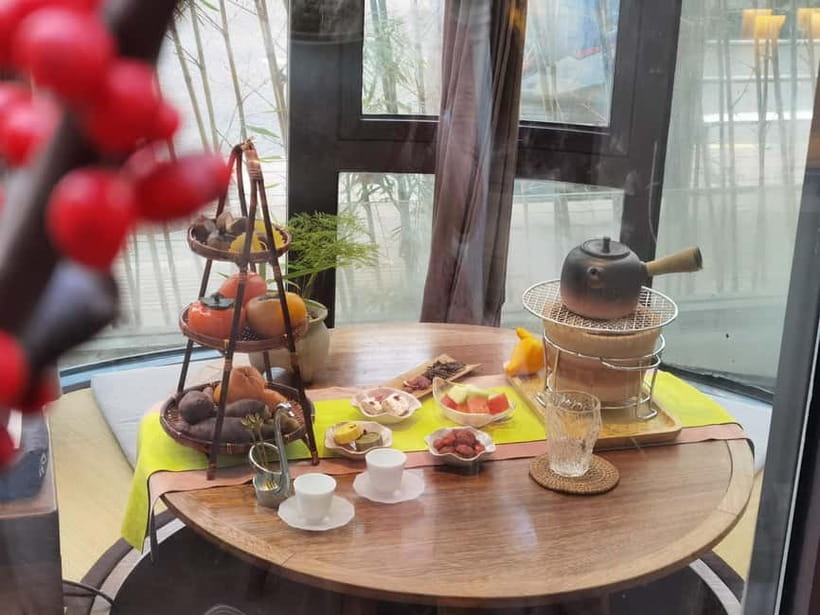
Snacks are included, which helps break up the tasting and gives you something to enjoy alongside the tea. The information does not specify the exact snacks, so do not book this expecting a particular menu.
Optional dress-up photos are another appealing detail. The dress-up element gives you a visual souvenir and adds a bit of fun to an otherwise quiet cultural activity. It is not the main reason to book, but it may appeal to couples, families, or anyone who enjoys taking home more than ordinary snapshots.
Bring a camera if photos matter to you. Keep in mind that the ceremony itself is built around attention and scent, so you may enjoy it more if you take a few pictures rather than trying to record every step.
Is $143 a fair price?
At $143 per person, this is expensive compared with a simple tea shop visit. You are paying for three hours, an English or Chinese-speaking tea expert, several Chinese teas, snacks, a blind tasting, a cultural explanation, and guided Song Dynasty whisking.
The price makes more sense if you want an organized cultural activity with personal instruction. The maximum group size of eight adds value, since small-group teaching usually gives you more time to ask questions and practice.
It makes less sense if you only want to drink tea or buy a few leaves. Shanghai offers many ways to have a quick cup, and this ceremony asks you to pay for the teaching and ritual as much as for the beverage.
I would see it as a special activity for a Shanghai visit, not an everyday food stop. Tea enthusiasts will get the most from it, but beginners can also enjoy it because the blind tasting removes pressure to already know the subject.
Timing, meeting point, and what to bring
The activity lasts three hours, with starting times based on availability. The exact meeting point is provided after booking and will be near the marked location. Since transportation to and from the activity is not included, leave time to reach the final meeting point once you receive it.
Bring comfortable shoes, comfortable clothing, and a camera. Snacks are listed among the suggested items, while snacks are also included in the activity, so you may want a small personal item in case you need something familiar.
Avoid strong perfume, and tell the provider about food allergies or dietary restrictions before the session. Alcoholic drinks are not allowed in the vehicle, though transportation to and from the activity is not included.
The experience is not suitable for wheelchair users. Anyone who needs step-free access or special seating should confirm conditions before paying.
Cancellation is free up to 24 hours before the activity for a full refund. You can also reserve now and pay later, which helps if your Shanghai schedule is still changing.
Who will enjoy this most?
I would recommend this to you if you enjoy food and drink experiences that explain the culture behind what is in your cup. It suits curious first-time tea drinkers, dedicated tea fans, couples, and visitors who prefer a slower activity to a packed sightseeing schedule.
The hands-on whisking makes it a good choice if you do not want to sit through a talk. The small group makes it useful if you like asking questions. The snacks and optional dress-up photos add variety without taking over the session.
I would think twice if you dislike ceremonial settings, have serious food allergies, need wheelchair access, or want a cheap and casual tea break. The $143 price also requires genuine interest in the subject.
Should you book this Shanghai tea ceremony?
Book it if you want to understand Chinese tea through your senses and your hands. The blind tasting, comparison of three tea classes, and Song Dynasty whisking offer three different ways to connect with the subject, while the eight-person limit keeps the setting personal.
Skip it if you only want a quick drink or if your budget is tight. For the right visitor, though, this is a calm, focused way to spend three hours and leave Shanghai with a better sense of how tea is prepared, judged, and valued.
FAQ
How long does the Chinese tea ceremony experience last?
The experience lasts three hours.
How much does the experience cost?
The listed price is $143 per person.
What languages are offered?
The tea expert instruction is available in English and Chinese.
How large is the group?
The experience is limited to eight participants.
What is included in the price?
A tea expert guide, an assortment of Chinese teas, and snacks are included.
Is transportation included?
No. Transportation to and from the activity is not included. The exact meeting point is provided after booking and will be near the marked location.
What will I learn during the ceremony?
You will take part in a blind tasting, explore China’s three tea classes, and learn Song Dynasty tea whisking and brewing.
What should I wear or bring?
Wear comfortable clothes and shoes suitable for walking. A camera is suggested, and you should avoid strong perfume so you can notice the tea aromas.
Can I cancel the booking?
Yes. You can cancel up to 24 hours in advance for a full refund. Reserve now and pay later is also available.
Newly listed around Shanghai
- shanghai Disney tour★ 5.0 · 12 reviews
- shanghai Disney+shanghai one day city highlights tour (two days)★ 5.0 · 4 reviews
- Zhujiajiao Water Town and Shanghai City Highlights Private Day Tour★ 5.0 · 3 reviews
- Zhujiajiao Water Village & Seven Treasure Town Day Tour from Shanghai★ 4.0 · 8 reviews
- Zhujiajiao Water Town Private Tour with Local Farm Visit and Fruit Picking★ 5.0 · 3 reviews
- Zhujiajiao Water Town Self-Guided Tour with Private Transfer from Shanghai★ 5.0 · 7 reviews
- Xitang Water Town Self-Guided Tour from Shanghai with Private Transfer★ 5.0 · 5 reviews
- Xitang Water Village Sunset Tour with Riverside Dining Experience from Shanghai★ 4.5 · 45 reviews
Tea Ceremonies, compared.

One-Day Hangzhou Dragon Well Tea Culture & West Lake Private Tour
Read our review →
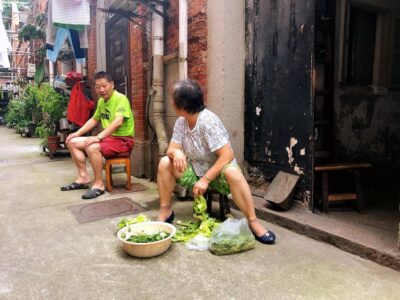
Chinese Tea ceremony in Beijing Hutong courtyard
Read our review →
Leshan Buddha + Panda Base or Old Tea House Private Day Tour
Read our review →
Day Tour to Discover the Secrets of Hangzhou’s Tea Culture
Read our review →Browse the lists this tour appears in