
Reviewed · CHENGDU TOURS
1-Day Mount Qingcheng and Dujiangyan Irrigation System Tour
Mount Qingcheng and Dujiangyan give you two very different windows into southwestern China in one day: Taoist mountain culture in the morning, then a massive ancient water project that still serves Sichuan today. The pairing is smart because both sites are UNESCO World Heritage attractions, yet they do not feel like repeat stops.
I like the private hotel pickup and the chance to set out with a guide such as Weaver, Mark, or Diana. I also like the value of combining transport, entrance tickets, and two major sights for $112 per person. The main drawback is time. Eight to nine hours is enough for a solid introduction, but not for a slow exploration of every trail, temple, and pavilion.
If you choose the self-guided option, your driver speaks Chinese, with translation-app help and an English-speaking support team. For a fuller understanding of Taoism and Dujiangyan’s engineering, I would choose the private guided option.
Key points to know before booking
- Two UNESCO sites in one day: Visit Mount Qingcheng and the Dujiangyan Irrigation System from Chengdu without arranging separate transport.
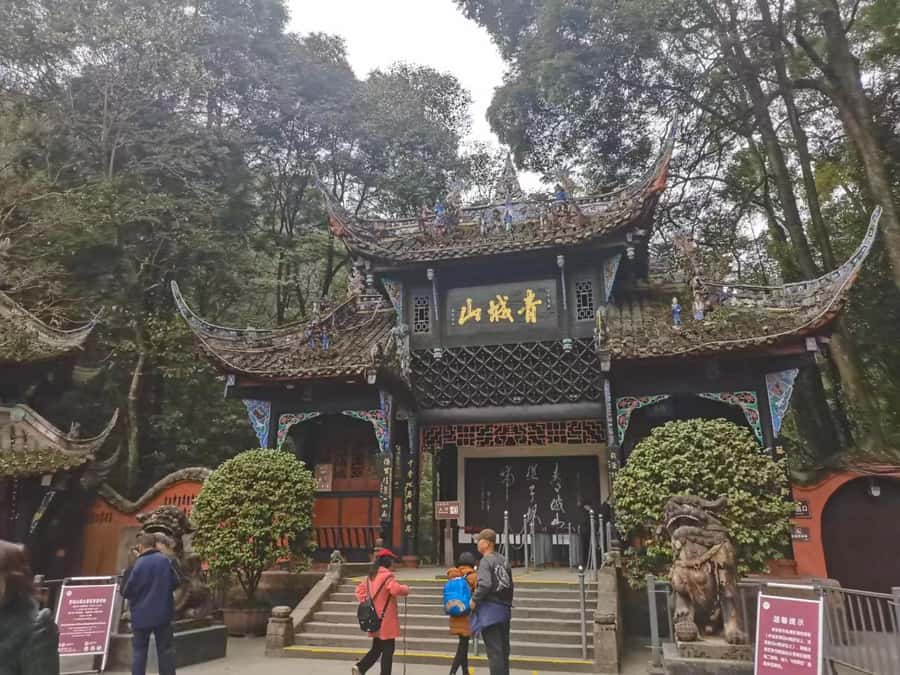
- Mount Qingcheng has two distinct sections: The Front Mountain has the main temples and historic sites, while the larger Back Mountain is known for streams, woods, and peaks.
- The drive is manageable: The trip takes about 80 minutes to Mount Qingcheng, followed by roughly 30 minutes to Dujiangyan.
- Guide quality matters here: Weaver, Mark, and Diana are named guides associated with especially strong service, historical explanations, and careful organization.
- Budget for lunch: The $112 price includes hotel pickup, a private air-conditioned car, entrance tickets, and a guide if selected, but not food.
- Expect crowds at busy times: Long waits for the Mount Qingcheng gondola were reported during the May 1 to 5 Labor Day holiday period.
Why this Chengdu day trip works
Chengdu is famous for pandas and spicy food, but the surrounding area gives you a much broader picture of Sichuan. Mount Qingcheng introduces the region’s Taoist traditions, while Dujiangyan shows how practical engineering shaped life across the province.
I like the contrast. At the mountain, you are looking at temples, caves, wooded paths, and old religious sites. At Dujiangyan, the focus shifts to water control, farming, and the work of Li Bing and his son more than 2,000 years ago.
The tour is private or available for small groups, which makes the long day easier to manage. You are not being moved through a large coach schedule with dozens of people. Hotel pickup and drop-off also remove one of the more awkward parts of visiting attractions outside Chengdu.
The timing is still tight. The listed schedule allows about two hours at each main stop, while the rest of the day goes to driving and transfers. That is enough to see the essential areas, but you should not expect an all-day hike on Mount Qingcheng or a detailed inspection of every part of Dujiangyan.
More Day Trips in Chengdu
- Giant Panda and Buddha 1 day tour
★ 5.0 · 57 reviews
The 80-minute ride from Chengdu
Pickup begins at 9:00 a.m. from your Chengdu hotel, depending on the option you book. Mount Qingcheng is about 65 kilometers away, and the drive takes roughly 80 minutes.
That transfer is useful rather than wasted time. You can settle into an air-conditioned private car, and with the guided option, ask questions about the day ahead. The route also gives you a break before the walking begins.
The tour returns you to Chengdu after Dujiangyan. One stated drop-off point is the Sheraton Chengdu Lido Hotel, with Chengdu hotel drop-off also available depending on the booking arrangement. Confirm your exact pickup and return location when reserving, since the meeting point varies by option.
The minimum booking requirement is two people. Solo visitors should keep that rule in mind before making plans.
Mount Qingcheng and the roots of Taoism
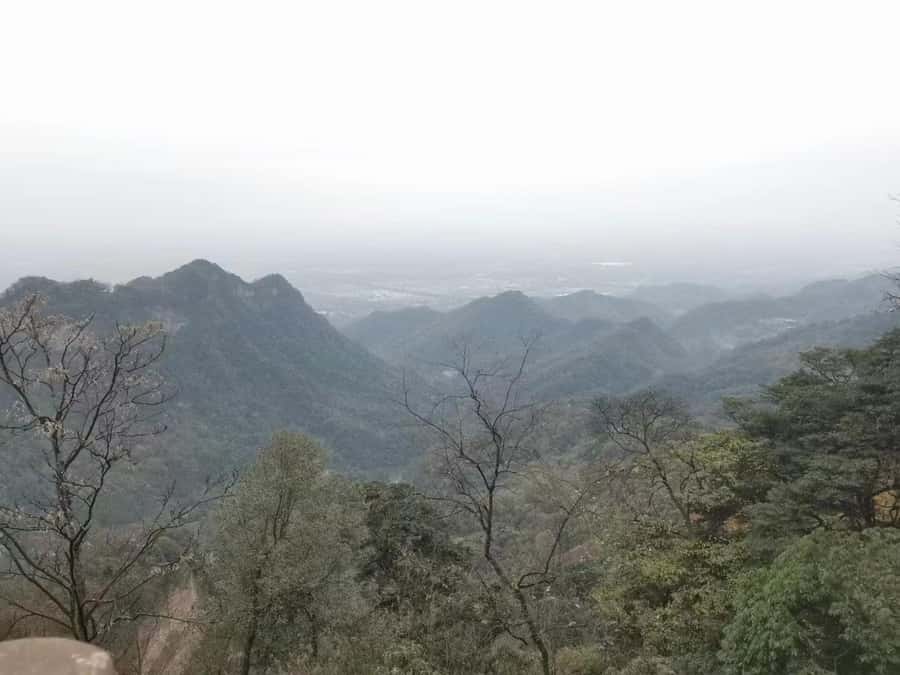
Mount Qingcheng is presented as one of China’s best-known mountains and as the birthplace of Taoism. It also provided scenic inspiration for the Kung Fu Panda films, though the real mountain is more about religious buildings, forest paths, and quiet natural scenery than animated martial arts.
The mountain has two sections:
- Front Mountain: The principal area for cultural sights, temples, caves, and historic buildings. It covers about 15 square kilometers.
- Back Mountain: A much larger area of about 100 square kilometers, known for streams, wooded scenery, and mountain views.
This day trip focuses on the main Mount Qingcheng experience, but the exact walking route can vary. The Front Mountain is the practical choice for a short visit because its major sites are concentrated around the cultural core.
The named attractions include Natural Drawing, Jianfu Palace, Tianshi Cave, Chaoyang Cave, and Shangqing Palace. These names can sound similar on a map, so a guide is useful. Your guide can give the sites a clear sequence and explain why the mountain matters in Taoist tradition rather than simply pointing out buildings.
Tianshi Cave and Shangqing Palace are among the better-known cultural stops listed for the Front Mountain. Chaoyang Cave adds another layer to the visit, showing how caves and natural features became part of the religious setting. The mountain is not just a scenic viewpoint with a temple added later. The scenery and religious use are closely tied together.
The Back Mountain has its own attractions, including Golden Cliff and Sky Storehouse, Goddess Cave, Clouds Caves, and View of Platform Bridge. These names suggest a more nature-focused outing, but the Back Mountain’s much larger area means you should not assume you can cover it fully during this one-day tour.
What the mountain visit feels like in practice
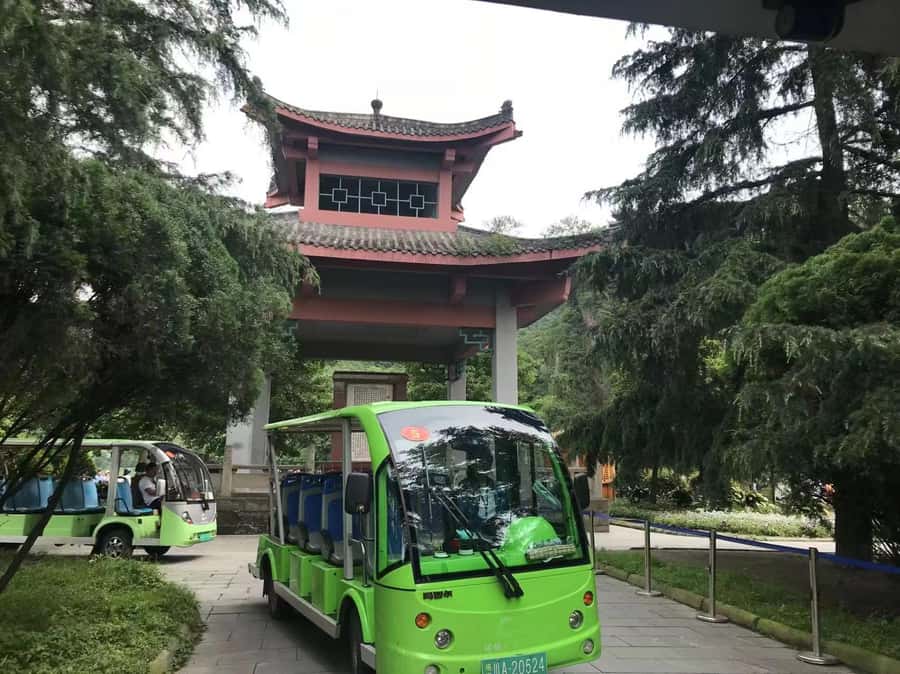
You should expect walking, stairs, and time spent outdoors. The tour description does not give a detailed route, distance, or elevation profile, so ask your guide which section you will visit and how much walking is planned.
A gondola may be part of the route or available at the mountain. One May holiday visit faced very long lines for the gondola, with the wait testing everyone’s patience. That is a useful warning, especially if you visit during China’s May 1 to 5 Labor Day holiday period.
You may find the mountain cooler than Chengdu, particularly in summer, when Mount Qingcheng is known as a popular place to escape the heat. Winter can be very cold. Bring layers in colder months and comfortable shoes in every season.
The best way to approach this stop is as a cultural mountain visit with scenery, not as a serious wilderness hike. If you want to explore the Back Mountain’s full network of trails, this schedule will feel too short. If you want to see notable Taoist sites without planning your own transport, the timing is more reasonable.
Same base, a completely different kind of day out:
- Chengdu: Giant Panda Breeding Research Base Ticket
★ 4.5 · 580 reviews - Half-Day Chengdu Cooking Class with a Local Market Visit
★ 5.0 · 465 reviews - Tuktuk Food Tour Through Chengdu’s Local Eats
★ 5.0 · 435 reviews - Private Half-Day Chengdu Panda Breeding Center Tour with Optional Volunteer
★ 5.0 · 353 reviews
Li Bing’s 2,200-year-old water project
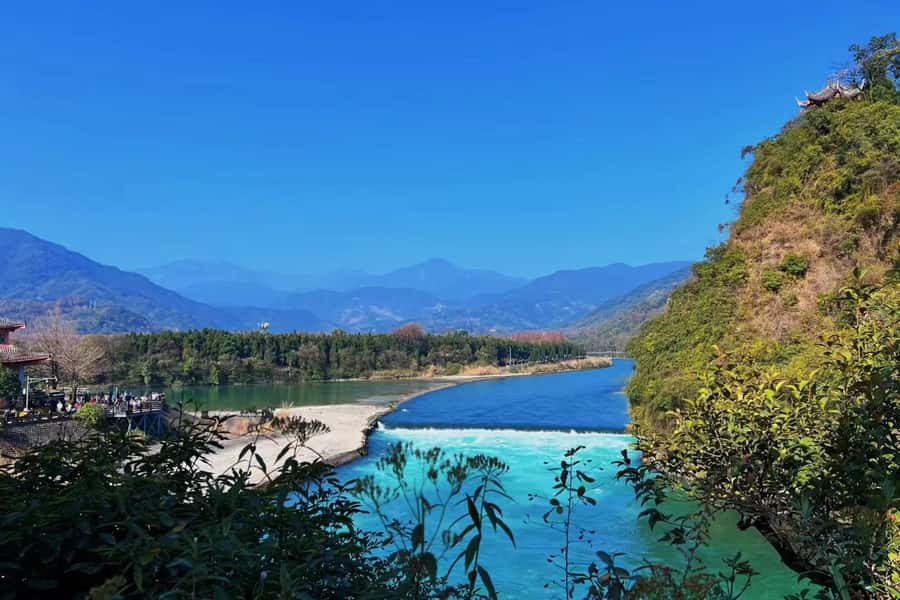
After Mount Qingcheng, the drive to Dujiangyan takes about 30 minutes. The change in subject is one of the tour’s strengths.
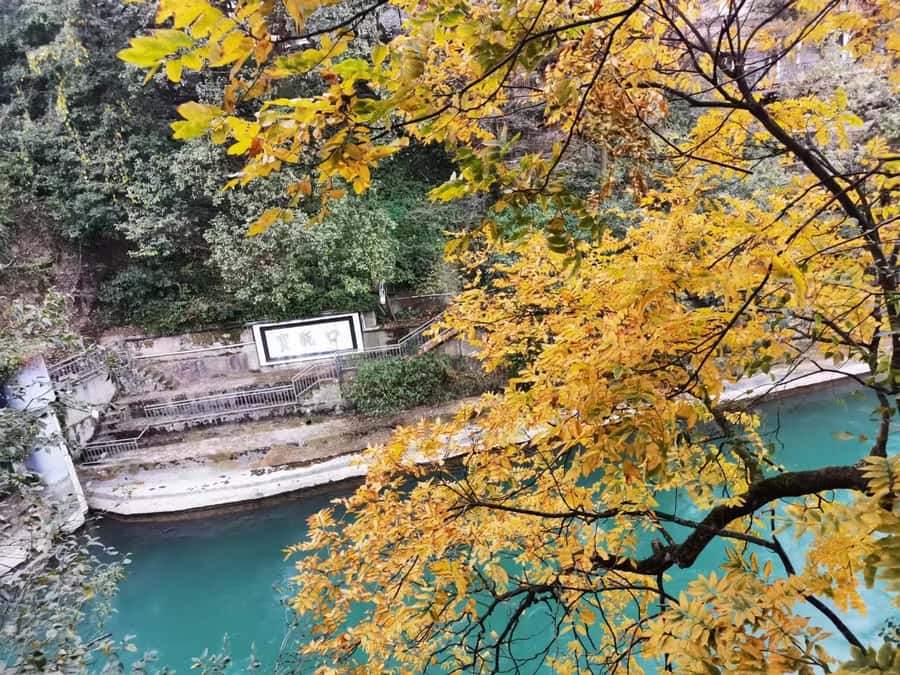
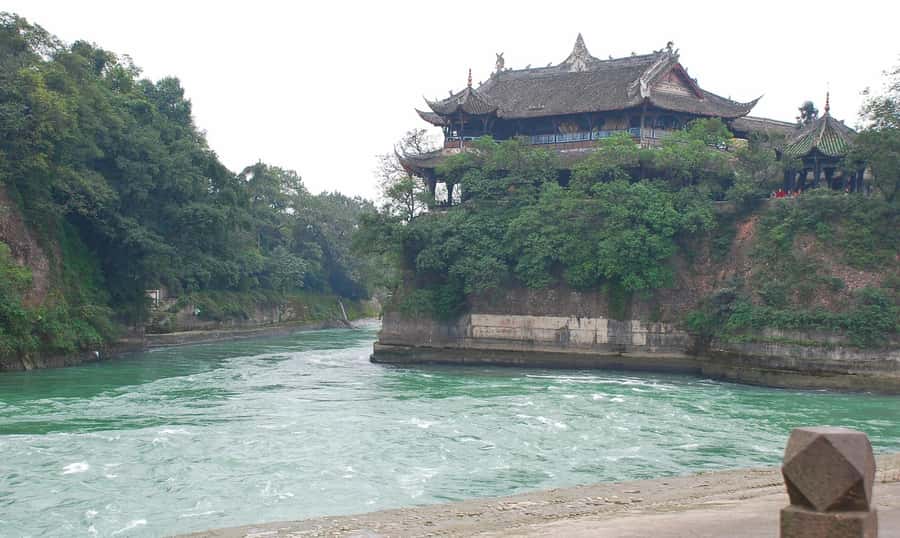
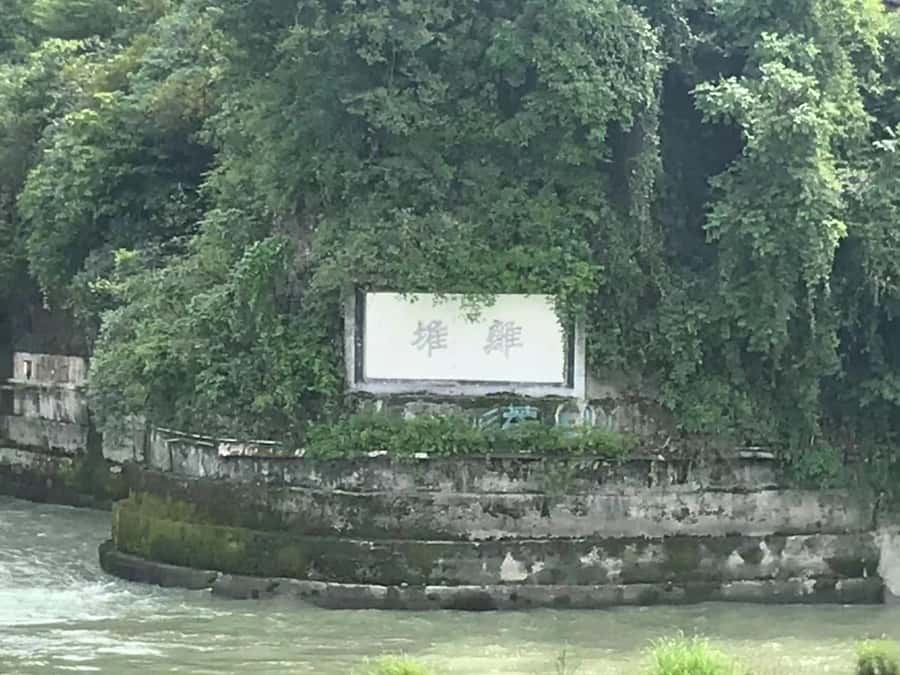
Around 2,200 years ago, the Minjiang River caused repeated floods that threatened the Chengdu area. Li Bing, a local official of the Shu state, and his son led the construction of an irrigation system designed to control the river and direct water where it was needed.
The project took years of study and hard work by local people. It was not a single dam built and forgotten. Dujiangyan was designed to manage flooding, irrigate farmland, and supply water across the region.
Today, the system still helps drain floodwater, irrigate farms, and provide water resources for more than 50 cities in Sichuan province. That continuing role gives the site more weight than a simple ancient ruin. You are looking at infrastructure that remains part of daily life.
The tour describes Dujiangyan as the oldest surviving irrigation system in the world. Even if engineering is not normally high on your sightseeing list, the visit gives you a clear idea of how water management allowed Chengdu and the surrounding region to prosper.
A guide adds real value here. Without explanation, you may see channels, stonework, and river control features without understanding what each part does. With someone such as Mark, Weaver, or Diana, you can connect the visible structures to the flood problem they were built to solve.
How the two-hour stops fit together
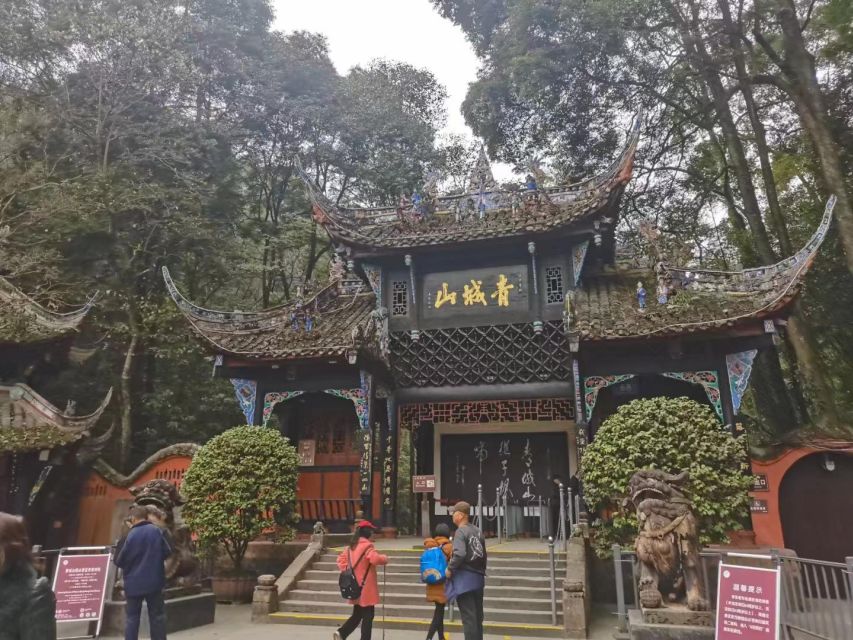
The itinerary lists guided or self-guided time of about two hours, with Mount Qingcheng also given about two hours. Treat these as focused visits rather than unlimited free time.
At Mount Qingcheng, you will need to balance temples, caves, walking paths, and possible transport queues. If you stop often for photographs, your guide may need to help you choose which attractions to prioritize.
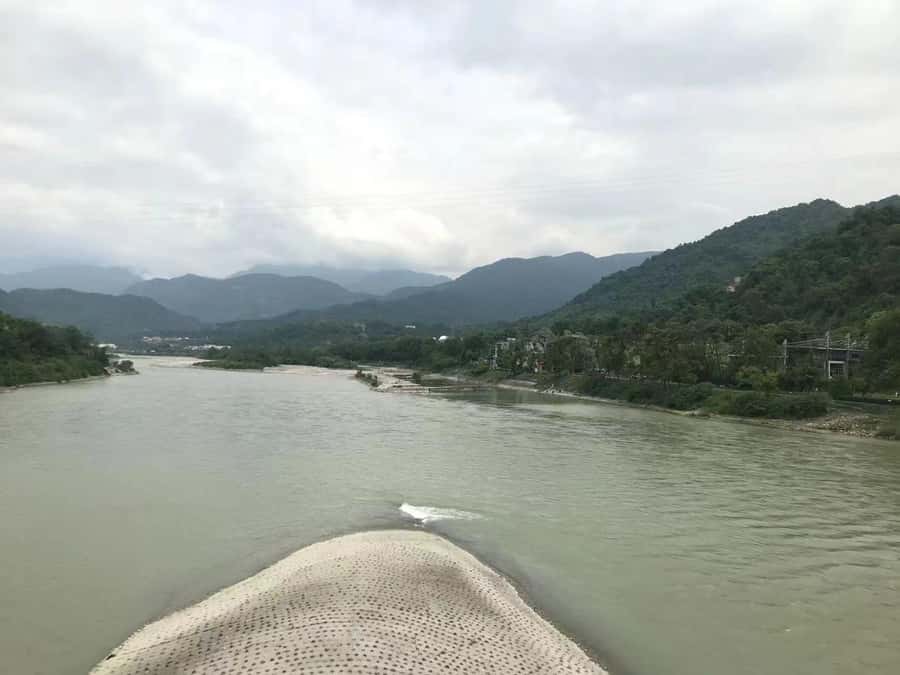
At Dujiangyan, the same principle applies. The irrigation system covers a substantial area, and a short visit works best when you follow a clear route. Ask for the main engineering features first, then use any remaining time for photographs and additional viewpoints.
A private tour gives you more flexibility than a fixed large-group excursion, but it does not remove the basic limits of a one-day schedule. Heavy crowds, especially at holiday periods, can reduce sightseeing time.
Guide choice: private tour or self-guided option
The private guided option is the better choice if you want context. The strongest guide names associated with this experience are Weaver, Mark, and Diana.
Weaver is noted for explaining not only the two attractions but also Chinese history and everyday life. Mark is described as prompt, friendly, patient, attentive, and good at handling practical details. Diana is also associated with clear explanations and a well-organized day.
Those qualities matter because this tour has two complicated subjects. Taoist sites can blur together without background, and Dujiangyan can look like a collection of waterways unless someone explains the system.
The self-guided option costs less in terms of guide service, but it comes with a clear limitation. The driver speaks Chinese only. You receive translation-app assistance and English-speaking support, yet that is not the same as having an English-speaking guide beside you at each site.
I would select self-guided only if you are comfortable managing questions through an app and mainly want transport and admission. Choose the guided option if history, religion, and engineering are central to your interest.
What the $112 price includes
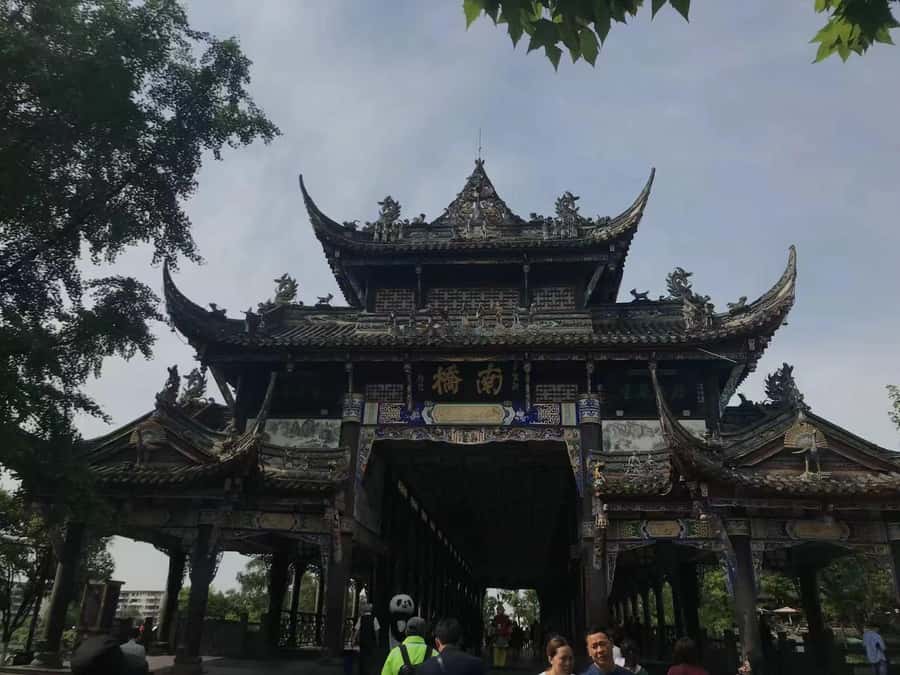
At $112 per person, the tour is not the cheapest way to visit either attraction, but the comparison should include what you avoid arranging yourself.
The price includes:
- Hotel pickup and drop-off
- A private air-conditioned car
- Entrance tickets
- A private English-speaking guide when you select the guided option
Lunch is not included. You should plan for a meal during the day, but the supplied details do not specify a restaurant or fixed lunch stop. Ask your guide about the meal plan at the start of the tour.
The value is strongest for two people or a small group who want a direct transfer from Chengdu and do not want to work out transport between the mountain and Dujiangyan. The private car also gives you a quieter ride than a large bus.
For a solo visitor, the minimum of two people is an important restriction. For a pair, the price can make sense because it combines transportation, admission, and guide service in one day.
Who should book this experience
I would recommend this tour to you if you want two major cultural sights outside Chengdu but have only one free day. It suits first-time visitors who prefer a planned route and want explanations in English.
It is also a good match if you value private transport. The 80-minute trip to Mount Qingcheng and the further 30-minute transfer to Dujiangyan would be more complicated to arrange independently, especially when you are trying to fit both sites into one day.
Families and small groups may appreciate the private format, though the amount of walking and the possibility of stairs should be considered. The tour is less suitable if you want a slow mountain trek, a full exploration of the Back Mountain, or long unscheduled stops.
Avoid the busiest holiday dates if you can. The long gondola lines reported during the May 1 to 5 holiday show how quickly a popular mountain visit can lose time. If your dates are fixed, begin the day with patience and ask the guide how to use your time wisely.
Practical details for a smoother day
Wear shoes suited to walking and bring an extra layer. Mount Qingcheng can be very cold in winter, while its summer climate is cooler than many people expect.
Keep some flexibility around the timetable. The advertised duration is eight to nine hours, but traffic, queues, and the pace of your group can affect the day.
Tell your guide early if you care more about Taoist buildings, scenery, or engineering. The schedule is short enough that your priorities can make a real difference.
Free cancellation is available up to 24 hours before the tour for a full refund, and you can reserve now and pay later. Those terms are useful when your Chengdu plans are still shifting.
Should you book Mount Qingcheng and Dujiangyan?
Book it if you want a well-organized day that combines religious culture and practical ancient engineering. The two sights feel different enough to keep the day interesting, and the private car removes much of the transport hassle.
Choose the English-guided option if you want the sites to make sense rather than simply checking them off. Weaver, Mark, and Diana are especially strong guide choices when available.
Skip it if your main goal is a long hike or a quiet mountain day. For that, Mount Qingcheng deserves more time on its own. For a first look at two of southwestern China’s most important sites, this is a strong and efficient choice.
FAQ
How long does the tour last?
The tour lasts approximately eight to nine hours.
What time does pickup begin?
Pickup is scheduled for 9:00 a.m. from your Chengdu hotel, depending on the option booked.
How long is the drive to Mount Qingcheng?
The drive takes about 80 minutes and covers roughly 65 kilometers.
How long is the drive from Mount Qingcheng to Dujiangyan?
The transfer from Mount Qingcheng to the Dujiangyan Irrigation System takes about 30 minutes.
Is an English-speaking guide included?
An English-speaking guide is included when you select the private guided option. The self-guided option uses a Chinese-speaking driver, with translation-app help and an English-speaking support team.
Are entrance tickets included?
Yes. Entrance tickets are included in the tour price.
Is lunch included?
No. Lunch is not included.
Can I cancel for a full refund?
Yes. You can cancel up to 24 hours in advance for a full refund.
Is there a minimum number of people?
Yes. A minimum of two people is required to book this experience.
Newly listed around Chengdu
- 2 Day Chengdu to Jiuzhaigou&Huanglong Self-Guided w/Transfer★ 3.0 · 3 reviews
- Private Half-Day Tour in Sichuan Culture Show with Hot Pot Dinner in Chengdu★ 4.5 · 15 reviews
- Chengdu Panda Research Base Tickets And Optional Private Tour★ 4.5 · 48 reviews
- Chengdu:Panda Base Entry Ticket & English PDF Guidebook★ 4.3 · 48 reviews
- Giant Panda and Buddha 1 day tour★ 5.0 · 57 reviews
- Half-Day Chengdu Back Alley Foodie Tour★ 5.0 · 58 reviews
- Chengdu: Leshan Buddha Optional Tours w/ Transfer or Guide★ 4.8 · 63 reviews
- Leshan Grand Buddha Scenic Area and Panda Park Day Tour★ 4.7 · 67 reviews
Chengdu Tours, compared.
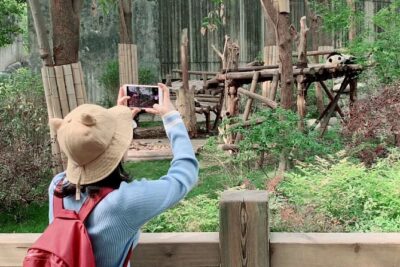
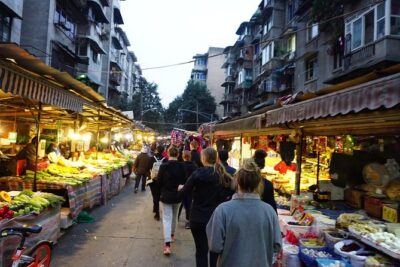
Half-Day Chengdu Cooking Class with a Local Market Visit
Read our review →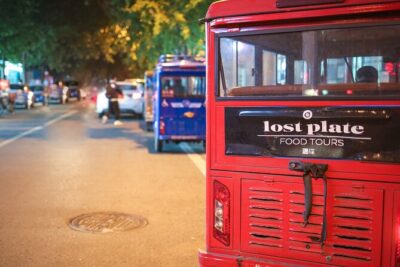

Private Half-Day Chengdu Panda Breeding Center Tour with Optional Volunteer
Read our review →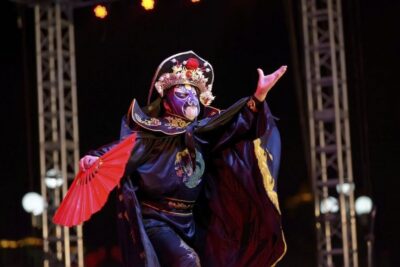
Sichuan Opera Shu Feng Yan Yun Evening Show Ticket
Read our review →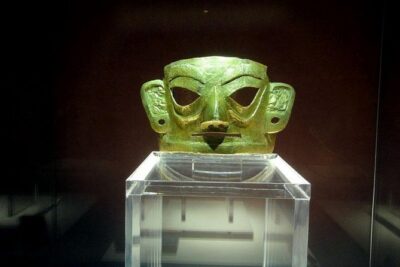
Private Chengdu Day Tour: Giant Pandas and Jinsha Site Museum
Read our review →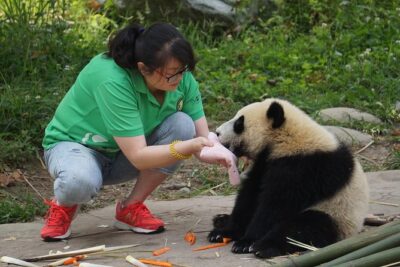
Visiting Dujiangyan Yaan Wolong Panda Base Optional Volunteering
Read our review →
Chengdu Sichuan Opera Show Ticket – Shu Feng Ya Yun
Read our review →Browse the lists this tour appears in